THE ADVENTURE COLLECTIVE® · Independent discovery and booking for outdoor travel

Two hours of guided walking that traces Lubumbashi’s romantic corners, from colonial boulevards to riverside parks. Discover hidden love stories, photo-ready viewpoints, and practical tips for a safe, scenic evening in the city.
Two hours of guided walking that traces Lubumbashi’s romantic corners, from colonial boulevards to riverside parks. Discover hidden love stories, photo-ready viewpoints, and practical tips for a safe, scenic evening in the city.
Late afternoon light slants down Avenue Kasaï and the city exhales—a slow, human rhythm of market calls, scooters, and couples pausing beneath jacaranda trees. This two-hour guided stroll threads through Lubumbashi’s layered streets, where colonial-era facades meet vibrant Congolese life and every corner holds a postcardable frame.
Verified experiences and guided adventures in the surrounding area.
Operated by Opatrip.com Congo · Lubumbashi, Haut-Katanga Province
Late afternoon light slants down Avenue Kasaï and the city exhales—a slow, human rhythm of market calls, scooters, and couples pausing beneath jacaranda trees. This two-hour guided stroll threads through Lubumbashi’s layered streets, where colonial-era facades meet vibrant Congolese life and every corner holds a postcardable frame.
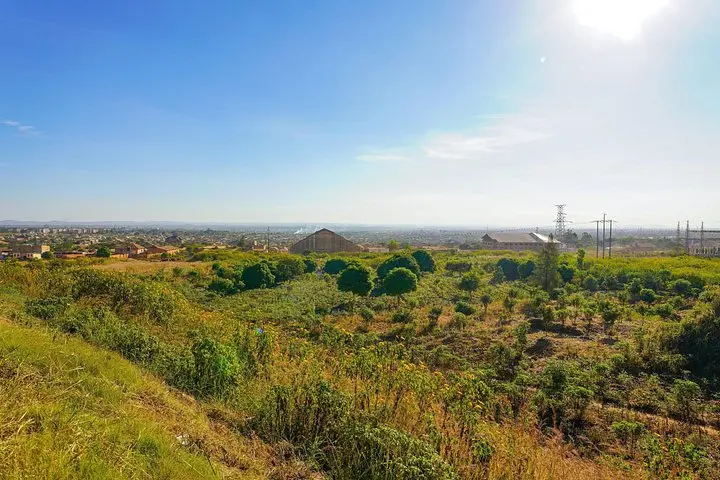
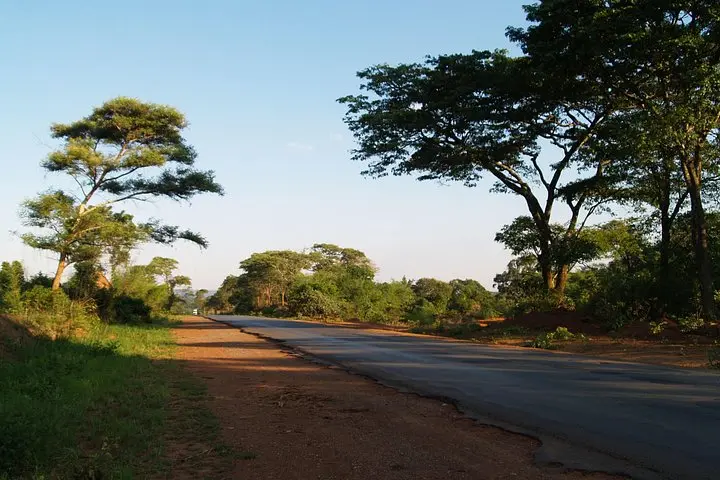
Founded as Élisabethville during Belgian rule, Lubumbashi grew around copper wealth; its boulevards and parks still carry colonial geometry while markets and cafés show post-independence reinvention. The city sits on the Katanga plateau, where red lateritic soils and low, rolling relief shape green public spaces and the slow curve of the Kafubu River nearby.
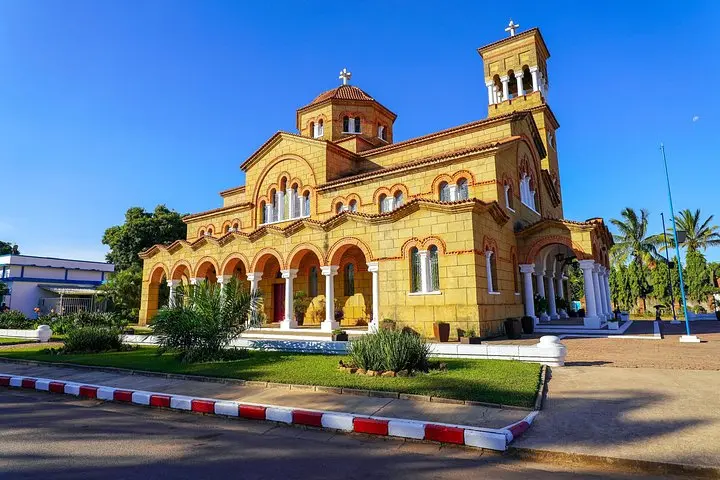
Culturally, the tour surfaces local love stories in places that range from formal squares to informal meeting spots, offering photo tips and context for monuments, churches, and leafy parks. A good local guide links architecture, anecdotes, and contemporary life—restaurants, street musicians, and the subtle codes of public courtship.
Practical guidance: expect mostly paved streets with intermittent uneven sidewalks and curbs; wear comfortable walking shoes and bring sun protection. Early evening timing avoids the midday heat and casts buildings in warm light for photos. Cash and local mobile payment options are useful for small purchases; basic French or Swahili phrases help. Safety is ordinary-city sensible—keep valuables discreet and follow your guide’s route choices. The experience is low-impact and social; it rewards curiosity, a charged sense of timing around sunset, and an openness to the city’s layered histories.
The tour lasts approximately two hours and covers key romantic spots within central Lubumbashi.
Local guides typically speak French and often Swahili; confirm language preference at booking.
Yes—it's classified as easy and suitable for a wide range of ages, though participants should be able to walk short distances and manage city stairs or curbs.
This tour is listed as all-sales-final—no refunds are available for cancellations, so confirm availability before booking.
Opatrip.com Congo operates guided outdoor trips and adventures with an emphasis on safety, stewardship, and memorable experiences.
Late afternoon light slants down Avenue Kasaï and the city exhales—a slow, human rhythm of market calls, scooters, and couples pausing beneath jacaranda trees. This two-hour guided stroll threads through Lubumbashi’s layered streets, where colonial-era facades meet vibrant Congolese life and every corner holds a postcardable frame.
Late afternoon light slants down Avenue Kasaï and the city exhales—a slow, human rhythm of market calls, scooters, and couples pausing beneath jacaranda trees. This two-hour guided stroll threads through Lubumbashi’s layered streets, where colonial-era facades meet vibrant Congolese life and every corner holds a postcardable frame.
Founded as Élisabethville during Belgian rule, Lubumbashi grew around copper wealth; its boulevards and parks still carry colonial geometry while markets and cafés show post-independence reinvention. The city sits on the Katanga plateau, where red lateritic soils and low, rolling relief shape green public spaces and the slow curve of the Kafubu River nearby.
Culturally, the tour surfaces local love stories in places that range from formal squares to informal meeting spots, offering photo tips and context for monuments, churches, and leafy parks. A good local guide links architecture, anecdotes, and contemporary life—restaurants, street musicians, and the subtle codes of public courtship.
Practical guidance: expect mostly paved streets with intermittent uneven sidewalks and curbs; wear comfortable walking shoes and bring sun protection. Early evening timing avoids the midday heat and casts buildings in warm light for photos. Cash and local mobile payment options are useful for small purchases; basic French or Swahili phrases help. Safety is ordinary-city sensible—keep valuables discreet and follow your guide’s route choices. The experience is low-impact and social; it rewards curiosity, a charged sense of timing around sunset, and an openness to the city’s layered histories.