THE ADVENTURE COLLECTIVE® · Independent discovery and booking for outdoor travel

Walk Lucca at your own pace with an audio-guided tour that threads Roman foundations, Renaissance walls and neighborhood life. Ideal for independent travelers wanting a focused, flexible exploration of the city center.
Walk Lucca at your own pace with an audio-guided tour that threads Roman foundations, Renaissance walls and neighborhood life. Ideal for independent travelers wanting a focused, flexible exploration of the city center.
Morning breaks over Lucca and the city’s ring of trees wakes first — the Renaissance walls leading you into a city where stone streets keep their own time. An audio guide lets you set the pace: pause at the elliptical Piazza dell’Anfiteatro, linger beneath the Holm oaks on the city walls, or climb the Torre Guinigi to see roofs and cypresses stitch the skyline.
Verified experiences and guided adventures in the surrounding area.
Operated by amuseapp · Lucca, Tuscany
Morning breaks over Lucca and the city’s ring of trees wakes first — the Renaissance walls leading you into a city where stone streets keep their own time. An audio guide lets you set the pace: pause at the elliptical Piazza dell’Anfiteatro, linger beneath the Holm oaks on the city walls, or climb the Torre Guinigi to see roofs and cypresses stitch the skyline.
Lucca’s streets follow a Roman grid under medieval and Renaissance layers. The amphitheatre’s oval plan became a piazza; narrow lanes harbor Romanesque churches whose carved facades record craft and faith. Geologically, the area rests on alluvial plains fed by nearby rivers, so the city feels flat and walkable — a contrast to Tuscany’s hill towns.
Local culture centers on daily markets, neighborhood cafés, and a tradition of music and silk trade that shaped Lucca’s prosperity. The walls are both promenade and protection, used historically for defense and today for cycling and sunset walks.
Practical guidance: plan 3–6 hours for a complete route; choose morning or late afternoon to avoid the midday sun and crowds. Bring comfortable shoes and a portable charger — the audio guide needs phone power. The tour is wheelchair accessible on main routes but some towers and narrow lanes are not. Respect quiet residential areas and local businesses: pause at cafés rather than block narrow lanes. With an audio guide, you control stops and timing — it’s an independent way to layer history onto a stroll and leave with a clear sense of how Lucca’s past still shapes its streets.
Yes—most audio-guided tours in Lucca offer multilingual content; check the app or product page for language options before booking.
Large sections of the walls and main promenades are wheelchair- and stroller-accessible, but entry points and narrow lanes inside the center may be limited.
Some sites like towers or museums may charge admission; the tour covers exteriors and points of interest, so check each site's opening times and ticketing separately.
Plan 3–6 hours to move at a relaxed pace, visit a few sites, and include breaks at cafés or viewpoints.
amuseapp operates guided outdoor trips and adventures with an emphasis on safety, stewardship, and memorable experiences.
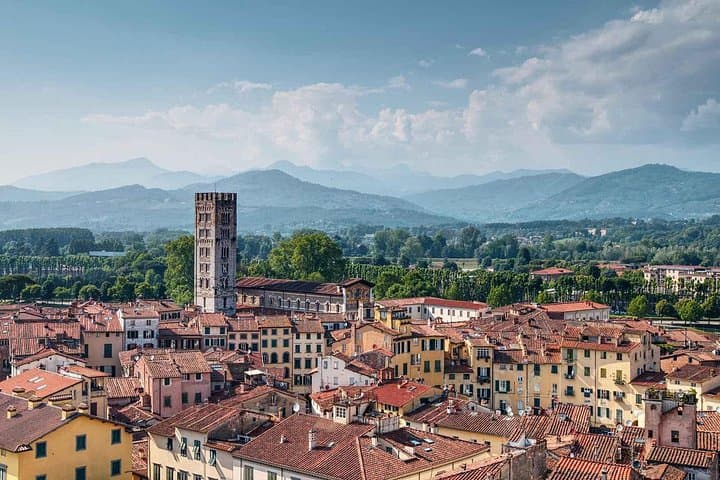
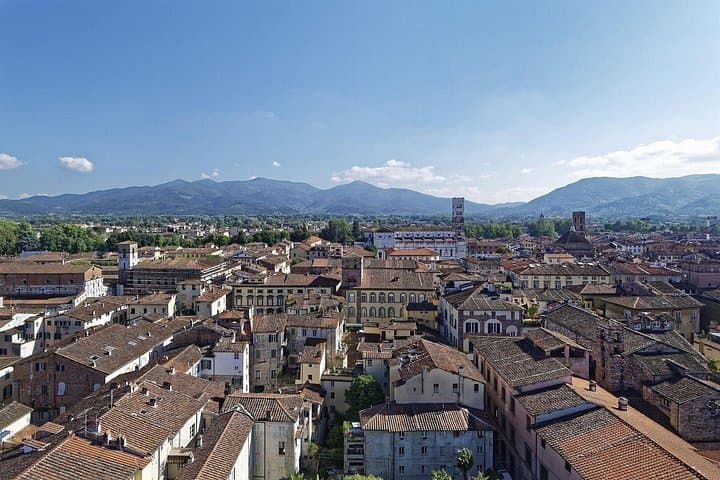
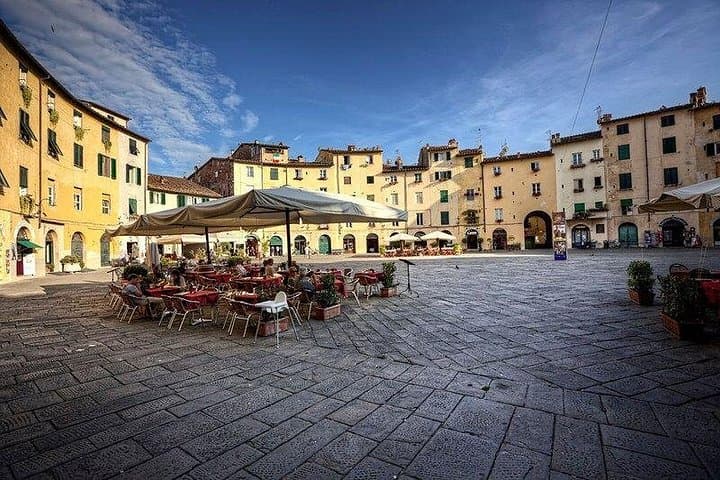
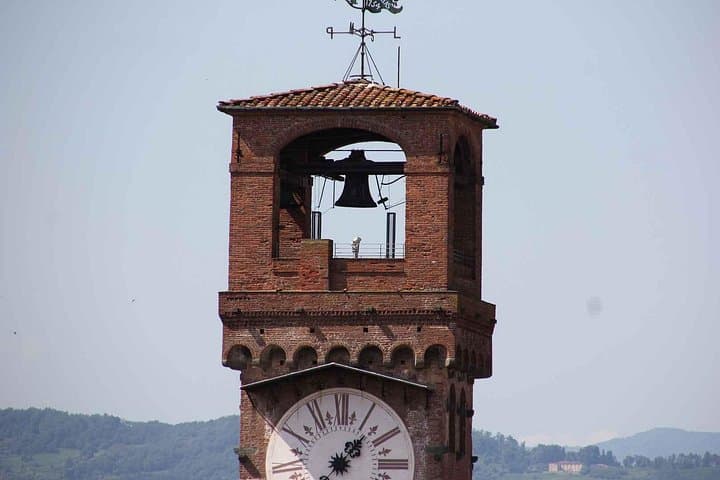
Morning breaks over Lucca and the city’s ring of trees wakes first — the Renaissance walls leading you into a city where stone streets keep their own time. An audio guide lets you set the pace: pause at the elliptical Piazza dell’Anfiteatro, linger beneath the Holm oaks on the city walls, or climb the Torre Guinigi to see roofs and cypresses stitch the skyline.
Morning breaks over Lucca and the city’s ring of trees wakes first — the Renaissance walls leading you into a city where stone streets keep their own time. An audio guide lets you set the pace: pause at the elliptical Piazza dell’Anfiteatro, linger beneath the Holm oaks on the city walls, or climb the Torre Guinigi to see roofs and cypresses stitch the skyline.
Lucca’s streets follow a Roman grid under medieval and Renaissance layers. The amphitheatre’s oval plan became a piazza; narrow lanes harbor Romanesque churches whose carved facades record craft and faith. Geologically, the area rests on alluvial plains fed by nearby rivers, so the city feels flat and walkable — a contrast to Tuscany’s hill towns.
Local culture centers on daily markets, neighborhood cafés, and a tradition of music and silk trade that shaped Lucca’s prosperity. The walls are both promenade and protection, used historically for defense and today for cycling and sunset walks.
Practical guidance: plan 3–6 hours for a complete route; choose morning or late afternoon to avoid the midday sun and crowds. Bring comfortable shoes and a portable charger — the audio guide needs phone power. The tour is wheelchair accessible on main routes but some towers and narrow lanes are not. Respect quiet residential areas and local businesses: pause at cafés rather than block narrow lanes. With an audio guide, you control stops and timing — it’s an independent way to layer history onto a stroll and leave with a clear sense of how Lucca’s past still shapes its streets.