THE ADVENTURE COLLECTIVE® · Independent discovery and booking for outdoor travel

Walk Lucca’s tree-lined Renaissance walls, step into Piazza Anfiteatro, and visit the Cathedral of San Martino with a private guide. This three-hour tour blends Roman foundations and medieval streets with local stories and practical insights.
Walk Lucca’s tree-lined Renaissance walls, step into Piazza Anfiteatro, and visit the Cathedral of San Martino with a private guide. This three-hour tour blends Roman foundations and medieval streets with local stories and practical insights.
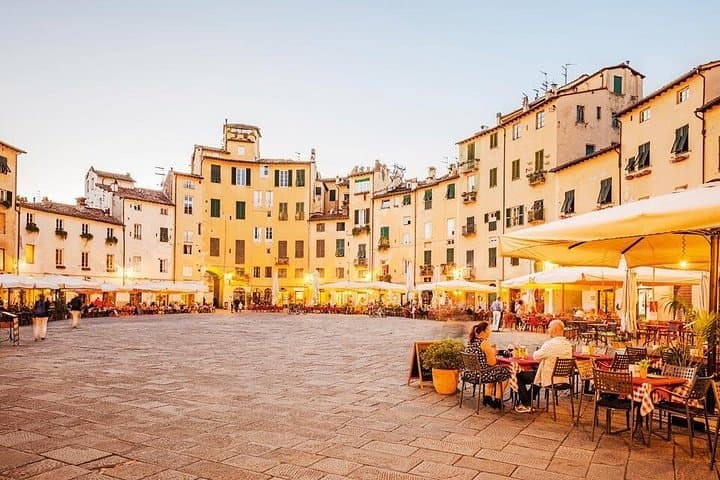
You step over low, grass-topped ramparts and the city seems to rearrange itself: narrow cobbled alleys funnel you into the oval sweep of Piazza Anfiteatro, stone curving like a half-forgotten amphitheatre daring you to imagine chariot dust and market haggling.
Verified experiences and guided adventures in the surrounding area.
Operated by Bologna Tour & Best Italy Tour · Lucca, Tuscany
You step over low, grass-topped ramparts and the city seems to rearrange itself: narrow cobbled alleys funnel you into the oval sweep of Piazza Anfiteatro, stone curving like a half-forgotten amphitheatre daring you to imagine chariot dust and market haggling.
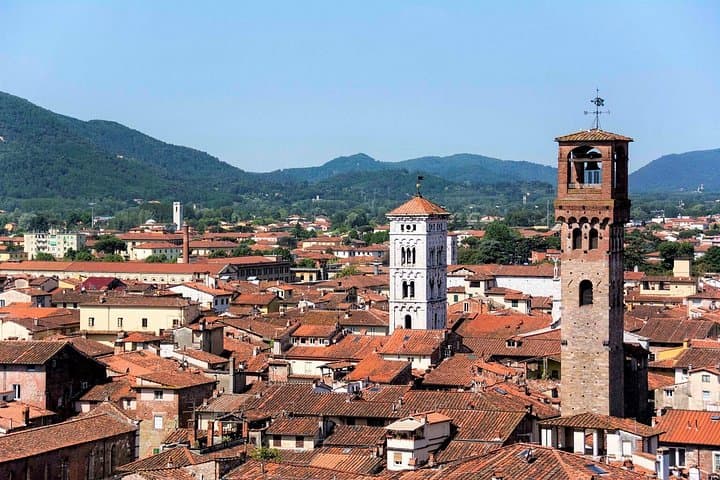
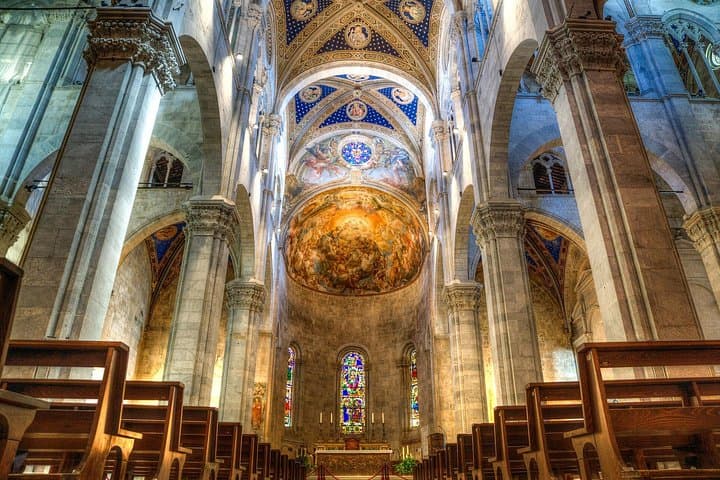
Lucca grew from a Roman amphitheatre to a medieval warren ringed by 16th–17th century stone walls that now double as a tree-lined promenade. The Cathedral of San Martino holds carved marble and the Volto Santo; Puccini’s birthplace sits a short walk away, and the nearby Serchio River shaped the alluvial plain beneath the city. The town’s compact scale means history, architecture, and daily life are layered within a few blocks: Renaissance palaces, artisan shops on Via Fillungo, and small cafés that time-tested locals frequent.
On a private three-hour walking tour you’ll move at a measured pace—20–40 minute stops at major sights—guided by local context: architectural details, medieval street plans, and the practical stories of market life. Terrain is flat but cobblestones and occasional steps demand steady shoes more than fitness; elevation gain is negligible. Best times are early morning light or late afternoon when the walls cool and cafés reopen.
Practical notes: expect about 3–4 km of walking with frequent stops, stroller-friendly stretches, and no heavy climbing. Bring water, good shoes, and modest dress for church visits. This is a close-quarters cultural stroll—curiosity and comfortable footwear will reward you most.
Admissions are typically not included; check the tour description and bring cash or card for any entrance fees.
Much of the route is stroller-friendly and generally accessible, but cobblestones and steps at some attractions can be a challenge for wheelchairs.
This private tour is led by a certified local guide—confirm language availability at booking for English or other languages.
Full refund available if cancelled at least 24 hours before the scheduled departure; no refund within 24 hours.
Bologna Tour & Best Italy Tour operates guided outdoor trips and adventures with an emphasis on safety, stewardship, and memorable experiences.
You step over low, grass-topped ramparts and the city seems to rearrange itself: narrow cobbled alleys funnel you into the oval sweep of Piazza Anfiteatro, stone curving like a half-forgotten amphitheatre daring you to imagine chariot dust and market haggling.
You step over low, grass-topped ramparts and the city seems to rearrange itself: narrow cobbled alleys funnel you into the oval sweep of Piazza Anfiteatro, stone curving like a half-forgotten amphitheatre daring you to imagine chariot dust and market haggling.
Lucca grew from a Roman amphitheatre to a medieval warren ringed by 16th–17th century stone walls that now double as a tree-lined promenade. The Cathedral of San Martino holds carved marble and the Volto Santo; Puccini’s birthplace sits a short walk away, and the nearby Serchio River shaped the alluvial plain beneath the city. The town’s compact scale means history, architecture, and daily life are layered within a few blocks: Renaissance palaces, artisan shops on Via Fillungo, and small cafés that time-tested locals frequent.
On a private three-hour walking tour you’ll move at a measured pace—20–40 minute stops at major sights—guided by local context: architectural details, medieval street plans, and the practical stories of market life. Terrain is flat but cobblestones and occasional steps demand steady shoes more than fitness; elevation gain is negligible. Best times are early morning light or late afternoon when the walls cool and cafés reopen.
Practical notes: expect about 3–4 km of walking with frequent stops, stroller-friendly stretches, and no heavy climbing. Bring water, good shoes, and modest dress for church visits. This is a close-quarters cultural stroll—curiosity and comfortable footwear will reward you most.