THE ADVENTURE COLLECTIVE® · Independent discovery and booking for outdoor travel

Fly into Lukla, follow stone paths through Sherpa villages, and stand beneath Everest on an 11-day route that balances high-altitude challenge with cultural immersion. This guide covers what to expect on trails, acclimatization, and key logistics.
Fly into Lukla, follow stone paths through Sherpa villages, and stand beneath Everest on an 11-day route that balances high-altitude challenge with cultural immersion. This guide covers what to expect on trails, acclimatization, and key logistics.
You step out of the tiny aircraft into thin, cold air at Lukla and the world feels pared down to stone, prayer flags and breath. The first day’s trail drops and rises along rhododendron and river gorge, crossing suspension bridges that swing gently beneath a high Himalayan sky.
Verified experiences and guided adventures in the surrounding area.
Operated by Nepal Mountain Club Pvt Ltd · Lukla, Solukhumbu
You step out of the tiny aircraft into thin, cold air at Lukla and the world feels pared down to stone, prayer flags and breath. The first day’s trail drops and rises along rhododendron and river gorge, crossing suspension bridges that swing gently beneath a high Himalayan sky.
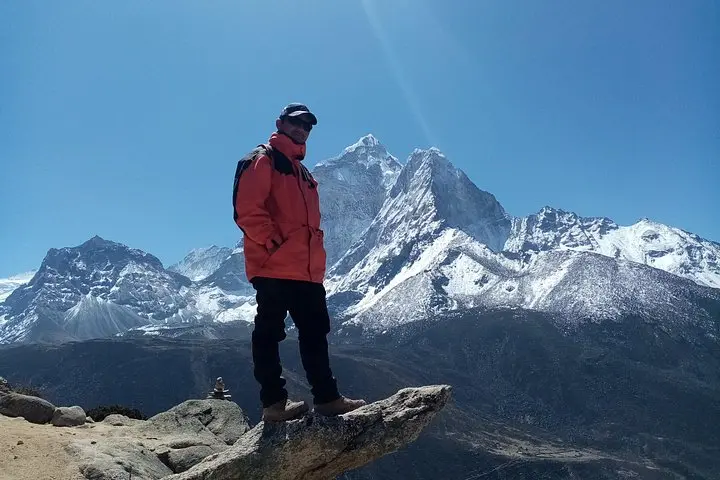
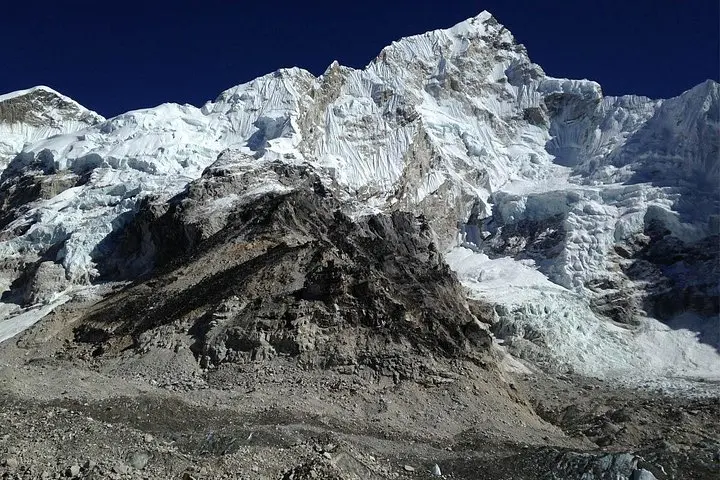
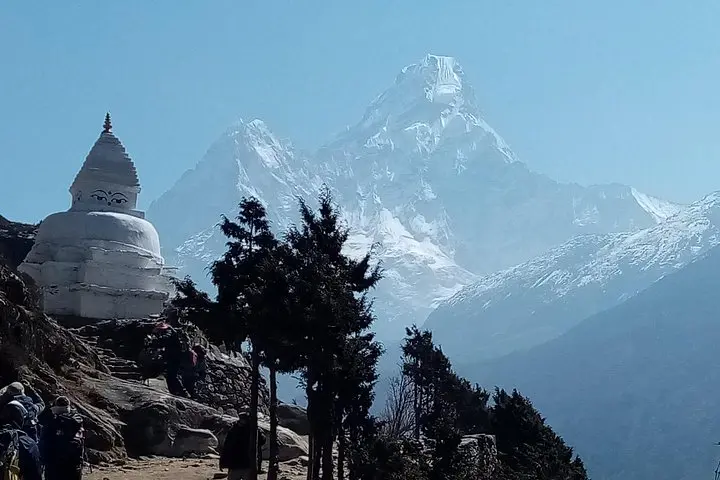
The route threads historic Sherpa villages—Namche Bazaar’s trading stalls, Tengboche’s monastery perched on a ridge—and cuts across glacial valleys shaped by millennia of ice. Geologically, you move from steep river-cut terraces to moraine fields below Khumbu Glacier; the terrain turns rockier and sparser above 4,500 m. Cultural notes are everywhere: mani stones, chortens, and monasteries that mark centuries of Buddhist practice and the Sherpa role in Himalayan exploration since Tenzing Norgay.
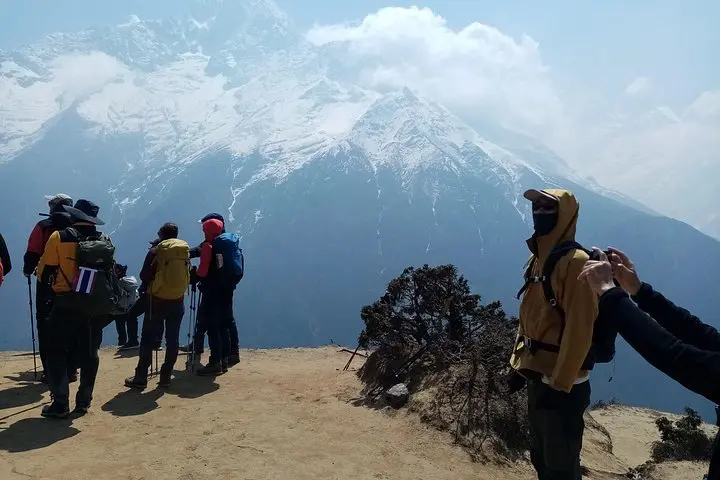
Practically, expect 60–75 km round trip on uneven trails with a cumulative elevation gain of roughly 2,600–2,700 m from Lukla (~2,800 m) to Kala Patthar (~5,545 m). Pace is steady: daily walks of 4–7 hours with two planned acclimatization days. Weather changes fast—sunny midday can flip to snow or high winds by evening—so layer smart.
Bring a porter if you want lighter days, and budget extra time for the Lukla flight, which is weather-dependent. Key logistics: Sagarmatha National Park permit and TIMS are required, and most nights are in guest houses. Hydration, conservative ascent profiles, and respect for altitude symptoms make the difference between a memorable summit-view morning at Kala Patthar and an early turn-around.
No technical climbing skills are required; the route is high-altitude trekking on marked trails, though good fitness and altitude awareness are essential.
You need a Sagarmatha National Park entry permit and a TIMS card; operators usually arrange these as part of the trek.
Very—flights to Lukla are frequently delayed or canceled for low clouds and wind; plan buffer days and travel insurance.
Pre-monsoon (March–May) and post-monsoon (late September–November) offer the most stable weather and clear mountain views.
Nepal Mountain Club Pvt Ltd operates guided outdoor trips and adventures with an emphasis on safety, stewardship, and memorable experiences.
You step out of the tiny aircraft into thin, cold air at Lukla and the world feels pared down to stone, prayer flags and breath. The first day’s trail drops and rises along rhododendron and river gorge, crossing suspension bridges that swing gently beneath a high Himalayan sky.
You step out of the tiny aircraft into thin, cold air at Lukla and the world feels pared down to stone, prayer flags and breath. The first day’s trail drops and rises along rhododendron and river gorge, crossing suspension bridges that swing gently beneath a high Himalayan sky.
The route threads historic Sherpa villages—Namche Bazaar’s trading stalls, Tengboche’s monastery perched on a ridge—and cuts across glacial valleys shaped by millennia of ice. Geologically, you move from steep river-cut terraces to moraine fields below Khumbu Glacier; the terrain turns rockier and sparser above 4,500 m. Cultural notes are everywhere: mani stones, chortens, and monasteries that mark centuries of Buddhist practice and the Sherpa role in Himalayan exploration since Tenzing Norgay.
Practically, expect 60–75 km round trip on uneven trails with a cumulative elevation gain of roughly 2,600–2,700 m from Lukla (~2,800 m) to Kala Patthar (~5,545 m). Pace is steady: daily walks of 4–7 hours with two planned acclimatization days. Weather changes fast—sunny midday can flip to snow or high winds by evening—so layer smart.
Bring a porter if you want lighter days, and budget extra time for the Lukla flight, which is weather-dependent. Key logistics: Sagarmatha National Park permit and TIMS are required, and most nights are in guest houses. Hydration, conservative ascent profiles, and respect for altitude symptoms make the difference between a memorable summit-view morning at Kala Patthar and an early turn-around.