
Lumbini 3-Day Pilgrimage from Kathmandu or Pokhara — Birthplace of Buddha
Walk the grid of international monasteries, stand at the Maya Devi Temple, and feel the quiet focus that has drawn pilgrims for centuries. This 3-day itinerary from Kathmandu or Pokhara pairs short regional flights with two days of immersive Lumbini sightseeing.
An Adventure In Bhairahawa (Siddharthanagar).
Walk the grid of international monasteries, stand at the Maya Devi Temple, and feel the quiet focus that has drawn pilgrims for centuries. This 3-day itinerary from Kathmandu or Pokhara pairs short regional flights with two days of immersive Lumbini sightseeing.
Read the full experience
You arrive in the low plains before sunrise, the plane easing over rice paddies and scrub, then descend toward Bhairahawa and the flat, ordered calm of Lumbini. The site opens like a carefully tended garden: straight paths between national monasteries, a pond that holds reflections of temple roofs, and the faint murmur of pilgrims circling the sacred centre.
You arrive in the low plains before sunrise, the plane easing over rice paddies and scrub, then descend toward Bhairahawa and the flat, ordered calm of Lumbini. The site opens like a carefully tended garden: straight paths between national monasteries, a pond that holds reflections of temple roofs, and the faint murmur of pilgrims circling the sacred centre.
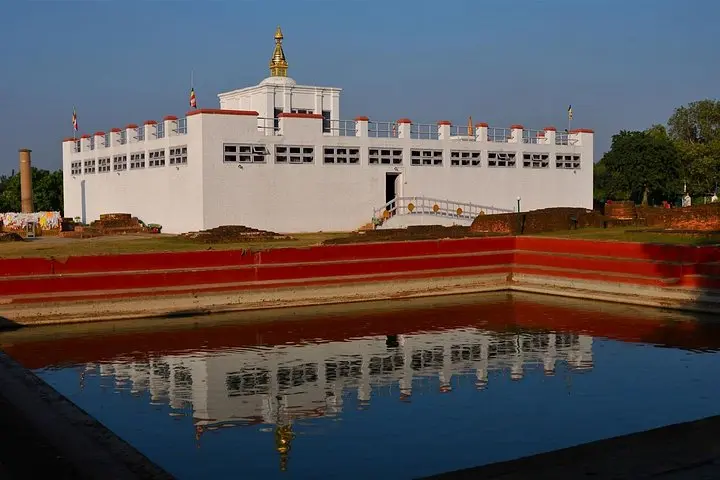
Lumbini marks the birth of Siddhartha Gautama; archaeologists point to the Maya Devi Temple and the Ashoka Pillar as anchors for a place layered by millennia. The modern pilgrimage zone is a planned landscape — a Monastic Zone of international shrines built beside original ruins and the Puskarini pool where tradition says Maya Devi bathed. Geologically it sits on the Terai plain, a low, fertile belt that contrasts with Nepal’s high Himalaya.
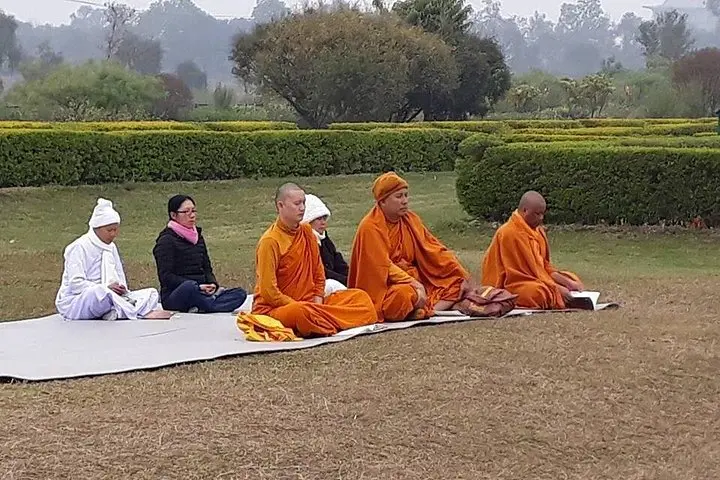
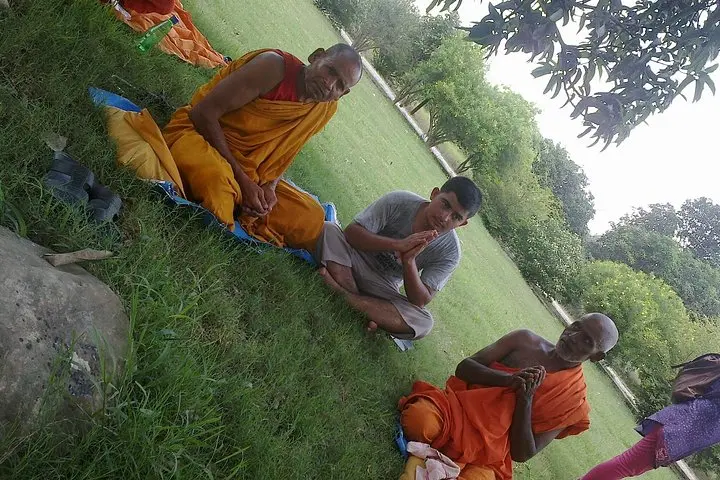
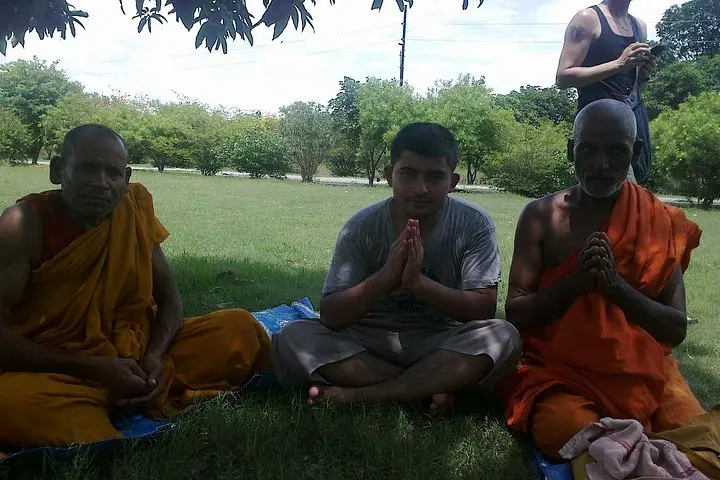
Culturally the site is diverse: Japanese, Thai, German, and other monasteries each add architectural and ritual textures. Local vendors and rickshaw drivers work alongside monks, creating a practical, lived atmosphere rather than a purely museum-like one.
Practical guidance: flights from Kathmandu or Pokhara to Bhairahawa take roughly 30–40 minutes; transfers to the Lumbini complex are short. Plan two full days in the area to move slowly between stupas, the monastic zone and the archaeological remains. Dress modestly, carry water, and time visits for early morning or late afternoon to avoid midday heat and bus groups. Respect photographic limits inside the Maya Devi Temple and keep to marked paths to protect fragile excavation sites.
Frequently asked questions
Scheduled flights take about 30–40 minutes; factor in airport transfer and check-in time.
The Lumbini Garden and Monastic Zone are publicly accessible, but some individual monasteries or museums may request donations or small fees.
Yes; the site is open year-round though the best comfort is in spring (March–May) and fall (September–November) when temperatures are moderate.
Not required, but a local guide adds historical context and helps navigate the archaeological zone and monastery protocols.
About This Experience
Welcome Nepal Treks P.ltd operates guided outdoor trips and adventures with an emphasis on safety, stewardship, and memorable experiences.
Adventure tips
Recommended gear
- Comfortable walking shoes: Support for walking paved paths and uneven archaeological areas.
- Sun hat and sunscreen: Shields you from strong Terai sun during midday visits.
- Light layers: Mornings can be cool in winter despite warm days; a light jacket is useful.
- Daypack with water bottle: Holds water, modesty shawl, camera, and small purchases while you tour.
Photos of the experience
Related adventures & guides
Read the full experience
You arrive in the low plains before sunrise, the plane easing over rice paddies and scrub, then descend toward Bhairahawa and the flat, ordered calm of Lumbini. The site opens like a carefully tended garden: straight paths between national monasteries, a pond that holds reflections of temple roofs, and the faint murmur of pilgrims circling the sacred centre.
You arrive in the low plains before sunrise, the plane easing over rice paddies and scrub, then descend toward Bhairahawa and the flat, ordered calm of Lumbini. The site opens like a carefully tended garden: straight paths between national monasteries, a pond that holds reflections of temple roofs, and the faint murmur of pilgrims circling the sacred centre.
Lumbini marks the birth of Siddhartha Gautama; archaeologists point to the Maya Devi Temple and the Ashoka Pillar as anchors for a place layered by millennia. The modern pilgrimage zone is a planned landscape — a Monastic Zone of international shrines built beside original ruins and the Puskarini pool where tradition says Maya Devi bathed. Geologically it sits on the Terai plain, a low, fertile belt that contrasts with Nepal’s high Himalaya.
Culturally the site is diverse: Japanese, Thai, German, and other monasteries each add architectural and ritual textures. Local vendors and rickshaw drivers work alongside monks, creating a practical, lived atmosphere rather than a purely museum-like one.
Practical guidance: flights from Kathmandu or Pokhara to Bhairahawa take roughly 30–40 minutes; transfers to the Lumbini complex are short. Plan two full days in the area to move slowly between stupas, the monastic zone and the archaeological remains. Dress modestly, carry water, and time visits for early morning or late afternoon to avoid midday heat and bus groups. Respect photographic limits inside the Maya Devi Temple and keep to marked paths to protect fragile excavation sites.
Make a day of it nearby.
Verified experiences and guided adventures in the surrounding area.