THE ADVENTURE COLLECTIVE® · Independent discovery and booking for outdoor travel

Lunugamwehera (Block 5) offers a quieter Yala experience where early-morning and late-afternoon jeep runs deliver the best chance to see leopards, elephants, and birds around the Weheragala Reservoir. Learn what to expect from timing, terrain, and practical gear before you go.
Lunugamwehera (Block 5) offers a quieter Yala experience where early-morning and late-afternoon jeep runs deliver the best chance to see leopards, elephants, and birds around the Weheragala Reservoir. Learn what to expect from timing, terrain, and practical gear before you go.
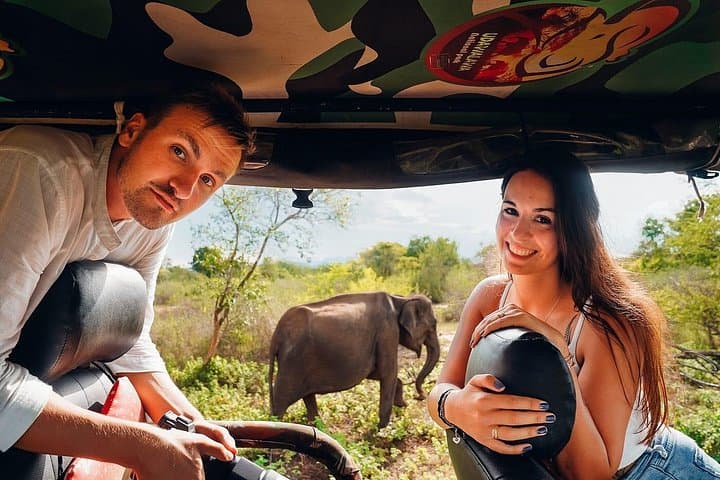
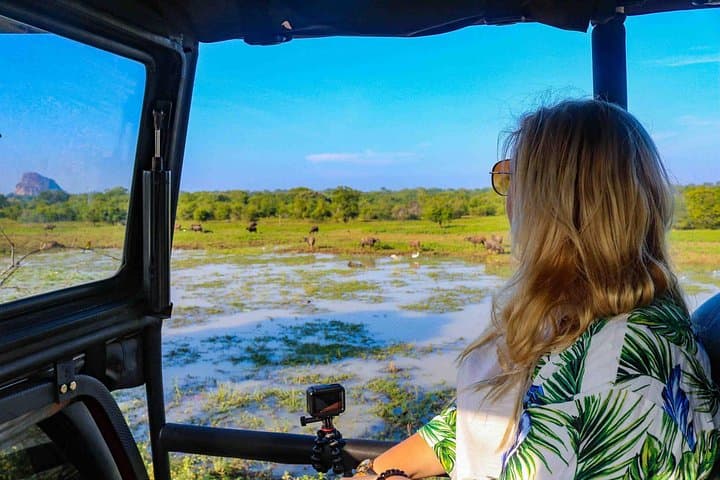
Morning light cuts across the flat scrub around Weheragala Reservoir as a convoy of Toyota Land Cruisers crunches east into Lunugamwehera — the quieter western block of Yala National Park. The air smells of dust and dry grass; a lone egret dares the shallows, and the scrub seems to hold its breath waiting for a predator to move.
Verified experiences and guided adventures in the surrounding area.
Operated by Shehan Safari · Tissamaharama, Southern Province
Morning light cuts across the flat scrub around Weheragala Reservoir as a convoy of Toyota Land Cruisers crunches east into Lunugamwehera — the quieter western block of Yala National Park. The air smells of dust and dry grass; a lone egret dares the shallows, and the scrub seems to hold its breath waiting for a predator to move.
Lunugamwehera sits on land shaped by ancient irrigation tanks and seasonal streams; its soils are older metamorphic rock weathered into low ridges and wetlands that attract elephants and crocodiles. Cultural threads here run from local tank-maintenance traditions to colonial-era game drives that gave way to modern conservation. Guides still read the landscape the way past generations read weather: tracks, dung, and the tilt of foliage.
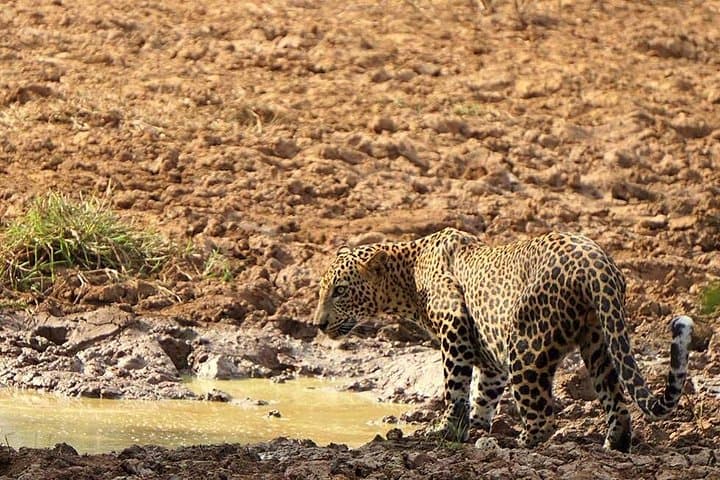
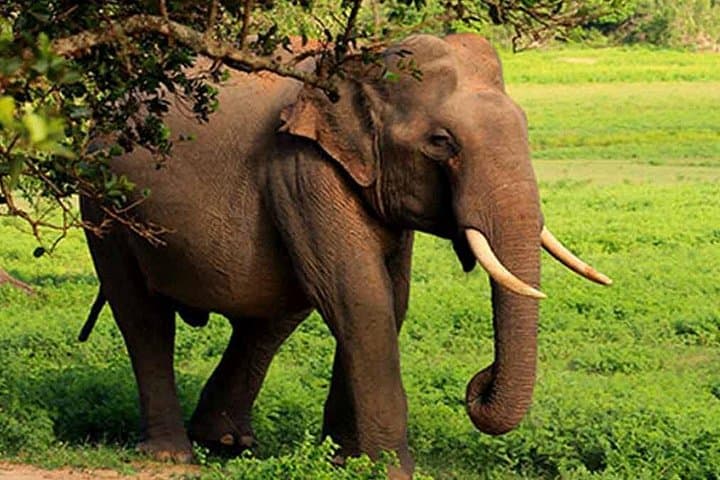
This is a jeep safari built around timing. Operators aim to be among the first vehicles at the gate at dawn; the first two hours and the last two before sunset are the most productive for leopards, sloth bears, and elephants. After those “golden” windows the pace slows and the guide focuses on birds, reptiles, and the smaller mammals that populate the interior tracks.
Practical guide: expect bumpy, off-road driving, dusty conditions, and minimal walking. Bring binoculars, sun protection, and water; charge cameras and keep them ready — sightings are brief and decisive. Respect distance rules, remain seated in the vehicle, and follow your guide’s instructions to reduce disturbance. A half-day run (about 4 hours) fits most visitors; a full-day option stretches to 8–12 hours with longer search windows and a lunch break at a shaded spot near a reservoir.
Early morning and late afternoon are the most productive windows; operators try to enter the park at gate opening to maximize those hours.
Half-day tours typically run about 4 hours, while full-day options extend roughly 8–12 hours with a lunch break at a shaded location.
Yes—safaris are generally suitable for all fitness levels, but those with spinal, heart, or pregnancy concerns should avoid bumpy rides as advised by providers.
Most operators include hotel pickup and drop-off within the region; confirm pickup point when booking as options can vary by property.
Shehan Safari operates guided outdoor trips and adventures with an emphasis on safety, stewardship, and memorable experiences.
Morning light cuts across the flat scrub around Weheragala Reservoir as a convoy of Toyota Land Cruisers crunches east into Lunugamwehera — the quieter western block of Yala National Park. The air smells of dust and dry grass; a lone egret dares the shallows, and the scrub seems to hold its breath waiting for a predator to move.
Morning light cuts across the flat scrub around Weheragala Reservoir as a convoy of Toyota Land Cruisers crunches east into Lunugamwehera — the quieter western block of Yala National Park. The air smells of dust and dry grass; a lone egret dares the shallows, and the scrub seems to hold its breath waiting for a predator to move.
Lunugamwehera sits on land shaped by ancient irrigation tanks and seasonal streams; its soils are older metamorphic rock weathered into low ridges and wetlands that attract elephants and crocodiles. Cultural threads here run from local tank-maintenance traditions to colonial-era game drives that gave way to modern conservation. Guides still read the landscape the way past generations read weather: tracks, dung, and the tilt of foliage.
This is a jeep safari built around timing. Operators aim to be among the first vehicles at the gate at dawn; the first two hours and the last two before sunset are the most productive for leopards, sloth bears, and elephants. After those “golden” windows the pace slows and the guide focuses on birds, reptiles, and the smaller mammals that populate the interior tracks.
Practical guide: expect bumpy, off-road driving, dusty conditions, and minimal walking. Bring binoculars, sun protection, and water; charge cameras and keep them ready — sightings are brief and decisive. Respect distance rules, remain seated in the vehicle, and follow your guide’s instructions to reduce disturbance. A half-day run (about 4 hours) fits most visitors; a full-day option stretches to 8–12 hours with longer search windows and a lunch break at a shaded spot near a reservoir.