THE ADVENTURE COLLECTIVE® · Independent discovery and booking for outdoor travel

Explore Lusaka’s markets, a provincial museum, and local cuisine in a focused 2–3 hour route. This guided tour includes transport and admissions for a compact, on-the-ground introduction to Zambia’s capital.
Explore Lusaka’s markets, a provincial museum, and local cuisine in a focused 2–3 hour route. This guided tour includes transport and admissions for a compact, on-the-ground introduction to Zambia’s capital.
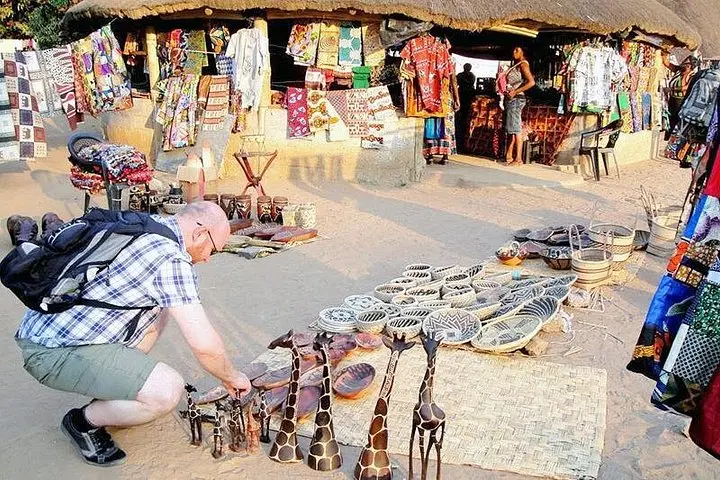
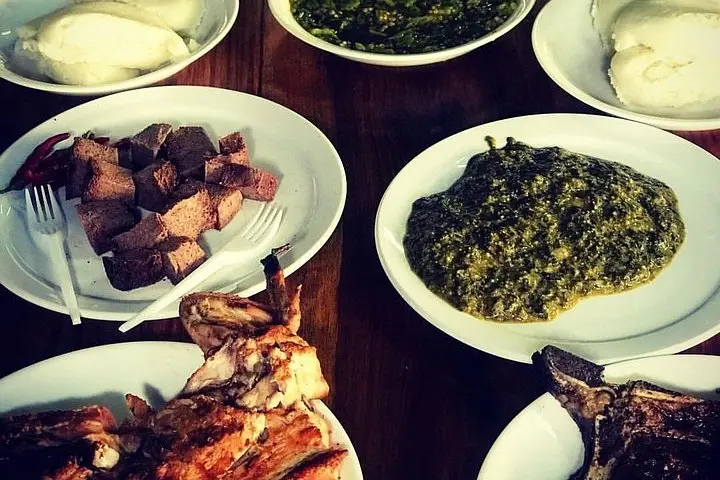
You step off the van into a city of open-air markets and clipped red earth; minibus taxis call and the scent of frying maize follows the morning light. This short tour threads through Lusaka’s urban edges—market stalls, a provincial museum, and a local eatery—soaking in the city’s pulse without losing pace.
Verified experiences and guided adventures in the surrounding area.
Operated by Clare Malata · Lusaka, Lusaka Province
You step off the van into a city of open-air markets and clipped red earth; minibus taxis call and the scent of frying maize follows the morning light. This short tour threads through Lusaka’s urban edges—market stalls, a provincial museum, and a local eatery—soaking in the city’s pulse without losing pace.
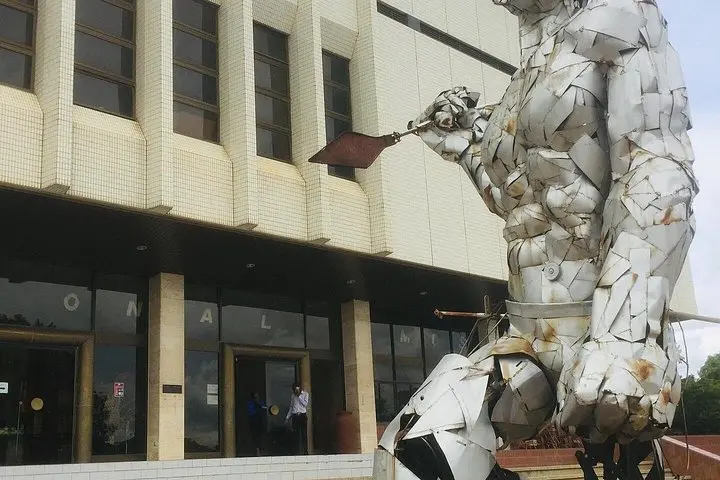
Lusaka sits on the central Zambian plateau at roughly 1,280 m elevation. The city rose quickly in the 20th century and became the administrative center in the 1930s; colonial-era buildings sit alongside newer developments and reminders of Zambia’s independence era. Underneath the city, iron-rich soils and scattered granite outcrops are typical of the region; pockets of Miombo woodland persist in peri-urban green spaces. Culture here is practical and performative: markets are where stories, crafts, and politics meet, and the National Museum offers context on local ethnography and recent history.
On this curated 2–3 hour route you’ll visit three attractions (admission included) with a guide who handles entry and logistics. Expect short walks between stops on paved and compacted dirt streets, moderate foot traffic, and warm temperatures—especially midday. Bottled water and private transport are provided, so hydration and timing matter more than technical gear.
Practical tips: go early to dodge traffic and midday heat, carry small KMW cash for souvenirs, wear supportive shoes for uneven curbs, and bring sun protection. The tour is tailored for general fitness levels but not recommended for children under three or people with serious spinal or cardiovascular conditions. With clear logistics and local insight, it’s a concentrated introduction to Lusaka’s everyday life.
Yes—private transportation between stops is provided as part of the tour.
All admission fees are included and an accredited guide arranges museum access and commentary.
The tour is not recommended for children under three or travelers with serious spinal or cardiovascular conditions; infants must sit on an adult’s lap.
The itinerary includes exactly three attractions with roughly 60 minutes at each location.
Clare Malata operates guided outdoor trips and adventures with an emphasis on safety, stewardship, and memorable experiences.
You step off the van into a city of open-air markets and clipped red earth; minibus taxis call and the scent of frying maize follows the morning light. This short tour threads through Lusaka’s urban edges—market stalls, a provincial museum, and a local eatery—soaking in the city’s pulse without losing pace.
You step off the van into a city of open-air markets and clipped red earth; minibus taxis call and the scent of frying maize follows the morning light. This short tour threads through Lusaka’s urban edges—market stalls, a provincial museum, and a local eatery—soaking in the city’s pulse without losing pace.
Lusaka sits on the central Zambian plateau at roughly 1,280 m elevation. The city rose quickly in the 20th century and became the administrative center in the 1930s; colonial-era buildings sit alongside newer developments and reminders of Zambia’s independence era. Underneath the city, iron-rich soils and scattered granite outcrops are typical of the region; pockets of Miombo woodland persist in peri-urban green spaces. Culture here is practical and performative: markets are where stories, crafts, and politics meet, and the National Museum offers context on local ethnography and recent history.
On this curated 2–3 hour route you’ll visit three attractions (admission included) with a guide who handles entry and logistics. Expect short walks between stops on paved and compacted dirt streets, moderate foot traffic, and warm temperatures—especially midday. Bottled water and private transport are provided, so hydration and timing matter more than technical gear.
Practical tips: go early to dodge traffic and midday heat, carry small KMW cash for souvenirs, wear supportive shoes for uneven curbs, and bring sun protection. The tour is tailored for general fitness levels but not recommended for children under three or people with serious spinal or cardiovascular conditions. With clear logistics and local insight, it’s a concentrated introduction to Lusaka’s everyday life.