THE ADVENTURE COLLECTIVE® · Independent discovery and booking for outdoor travel

Spend a full day in Lusaka navigating lively markets, meeting orphaned baby elephants at a rescue, and exploring the National Museum and Kabwata Cultural Village. This guided experience mixes urban energy, conservation moments, and authentic Zambian food.
Spend a full day in Lusaka navigating lively markets, meeting orphaned baby elephants at a rescue, and exploring the National Museum and Kabwata Cultural Village. This guided experience mixes urban energy, conservation moments, and authentic Zambian food.
You step out of an air-conditioned van into a city that is busy and bright—sellers calling, charcoal smoke curling from grill stands, and the distant rumble of traffic giving rhythm to the day. The Soweto Market’s alleys press close, colors and smells daring you to look closer; later, baby elephants shuffle forward for their milk, trunks probing the air like curious hands.
Verified experiences and guided adventures in the surrounding area.
Operated by Lusaka in a Day Tours · Lusaka, Lusaka Province
You step out of an air-conditioned van into a city that is busy and bright—sellers calling, charcoal smoke curling from grill stands, and the distant rumble of traffic giving rhythm to the day. The Soweto Market’s alleys press close, colors and smells daring you to look closer; later, baby elephants shuffle forward for their milk, trunks probing the air like curious hands.
Lusaka’s streets trace a modern capital layered over a colonial past and precolonial trade routes. The National Museum houses archaeological finds and the objects of Zambia’s independence movement; the Freedom Statue stands as a plain, powerful marker of that history. Geologically the region sits on the Zambezi plateau—red soils, low hills and broad drainage channels that feed seasonal streams and shape where people and markets gather.
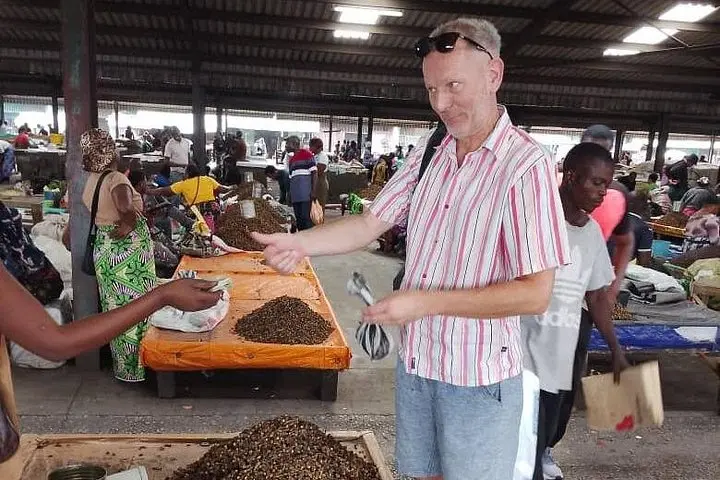
The city’s culture is tactile and social: open-air grills serving nshima, artisans at Kabwata shaping wood and fabrics into objects with stories. Expect energetic bargaining, the bright call of market vendors, and the careful stewardship of a local elephant rescue that times public feedings for visitors.
Practical guidance: this is a long but low-impact day—comfortable walking shoes, sun protection, and a small daypack make the hours easier. Bring cash for small purchases, a respectful camera policy for the orphanage, and bottled water (supplied) to stay hydrated. The tour works best when scheduled in the morning to catch market activity and the elephant feeding window; plan for 7–8 hours and moderate walking on uneven surfaces.
The tour runs about 7–8 hours, typically starting in the morning to visit the Soweto Market, the baby elephant feeding window around midday, lunch, the National Museum, the Freedom Statue and Kabwata Cultural Village.
Yes—visits are timed to public viewing hours and supervised by staff; guests must follow rules on distance, no feeding outside scheduled times, and no flash photography when requested.
Lunch, bottled water and soft drinks are included; the meal is an authentic local barbecue served with nshima and sides.
The itinerary notes stroller accessibility for infants and small children, but expect crowded market alleys and some walking; consult the operator if mobility concerns exist.
Lusaka in a Day Tours operates guided outdoor trips and adventures with an emphasis on safety, stewardship, and memorable experiences.
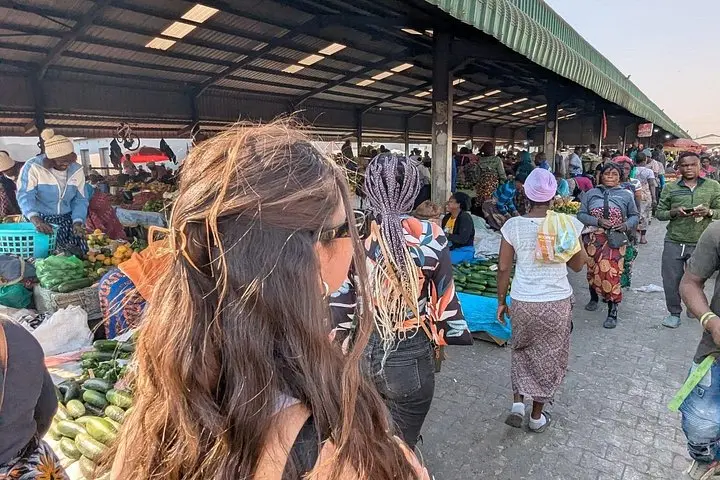
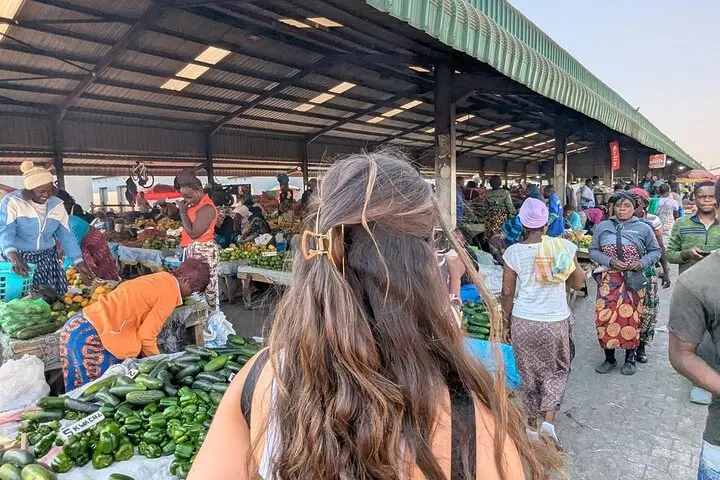
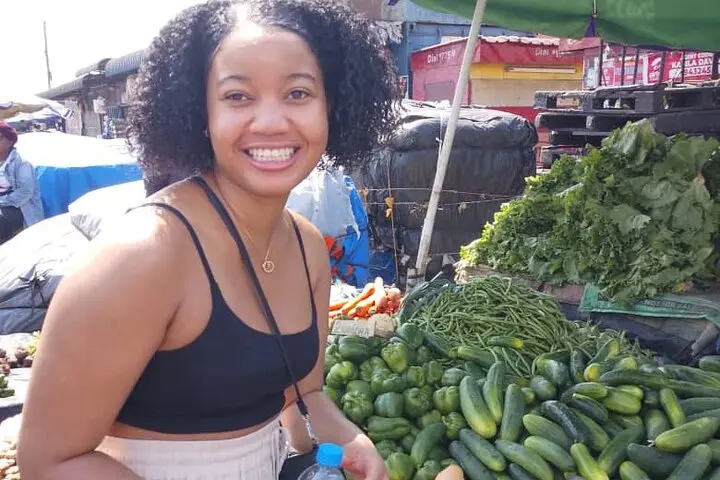
You step out of an air-conditioned van into a city that is busy and bright—sellers calling, charcoal smoke curling from grill stands, and the distant rumble of traffic giving rhythm to the day. The Soweto Market’s alleys press close, colors and smells daring you to look closer; later, baby elephants shuffle forward for their milk, trunks probing the air like curious hands.
You step out of an air-conditioned van into a city that is busy and bright—sellers calling, charcoal smoke curling from grill stands, and the distant rumble of traffic giving rhythm to the day. The Soweto Market’s alleys press close, colors and smells daring you to look closer; later, baby elephants shuffle forward for their milk, trunks probing the air like curious hands.
Lusaka’s streets trace a modern capital layered over a colonial past and precolonial trade routes. The National Museum houses archaeological finds and the objects of Zambia’s independence movement; the Freedom Statue stands as a plain, powerful marker of that history. Geologically the region sits on the Zambezi plateau—red soils, low hills and broad drainage channels that feed seasonal streams and shape where people and markets gather.
The city’s culture is tactile and social: open-air grills serving nshima, artisans at Kabwata shaping wood and fabrics into objects with stories. Expect energetic bargaining, the bright call of market vendors, and the careful stewardship of a local elephant rescue that times public feedings for visitors.
Practical guidance: this is a long but low-impact day—comfortable walking shoes, sun protection, and a small daypack make the hours easier. Bring cash for small purchases, a respectful camera policy for the orphanage, and bottled water (supplied) to stay hydrated. The tour works best when scheduled in the morning to catch market activity and the elephant feeding window; plan for 7–8 hours and moderate walking on uneven surfaces.