THE ADVENTURE COLLECTIVE® · Independent discovery and booking for outdoor travel

Move through Lusaka like a local: ride minibuses, explore the National Museum, haggle in markets and share a plate of nshima. This full‑day cultural tour blends urban history and hands‑on experiences for travelers seeking an authentic city immersion.
Move through Lusaka like a local: ride minibuses, explore the National Museum, haggle in markets and share a plate of nshima. This full‑day cultural tour blends urban history and hands‑on experiences for travelers seeking an authentic city immersion.
The tour opens on a busy Lusaka morning where minibuses hiss past and market vendors arrange stacks of colorful chitenge cloths. Guests move through the city like locals—on foot, by minibus and at a relaxed pace that reveals corners of daily life often missed by taxis: a roadside vendor pulling fresh maize from the cob, children practising football, the day’s catch being cleaned under an awning.
Verified experiences and guided adventures in the surrounding area.
Operated by Ani & Mad Holidays Ltd · Lusaka, Lusaka Province
The tour opens on a busy Lusaka morning where minibuses hiss past and market vendors arrange stacks of colorful chitenge cloths. Guests move through the city like locals—on foot, by minibus and at a relaxed pace that reveals corners of daily life often missed by taxis: a roadside vendor pulling fresh maize from the cob, children practising football, the day’s catch being cleaned under an awning.
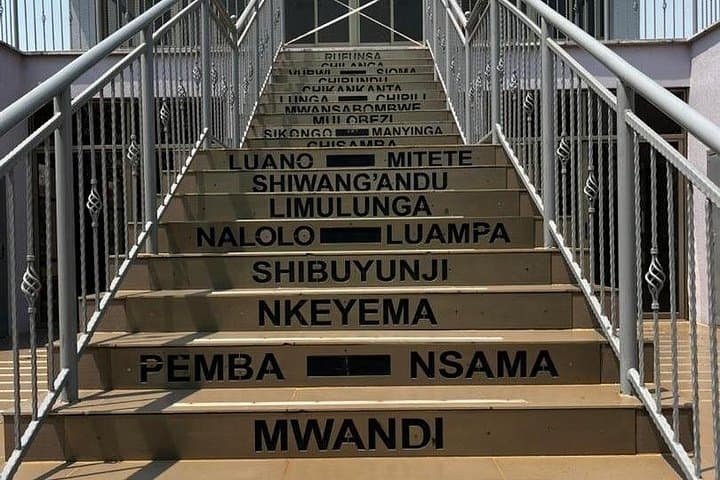
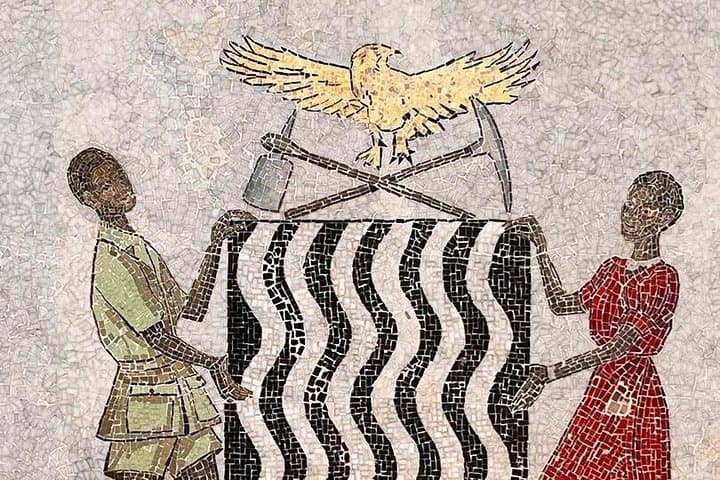
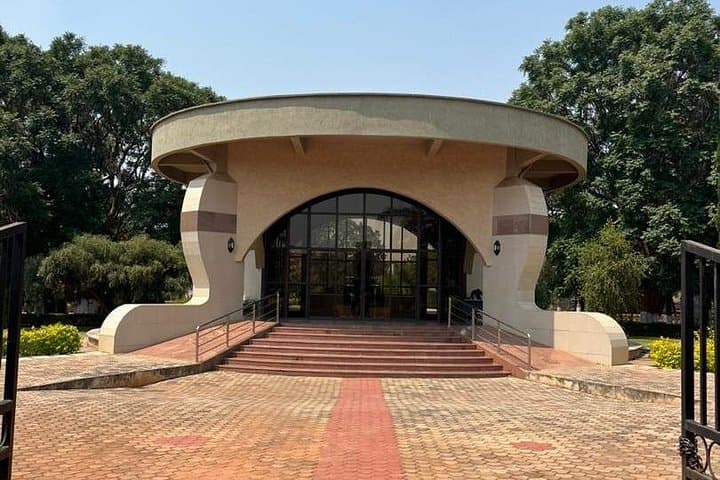
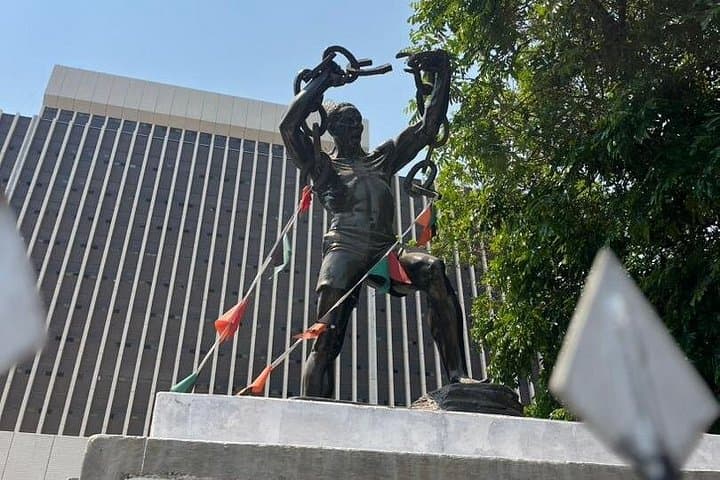
Lusaka sits on the central Zambian plateau and the experience is as much cultural geography as urban sightseeing. A guided stop at the Zambia National Museum traces human origins, colonial-era politics and modern art, contextualizing the city’s role in Zambia’s independence and post‑independence identity. The markets—Manda Hill and smaller neighborhood stalls—offer raw, flavorful glimpses into local diet and craft: nshima served with relish, smoky grilled meats, and woodcarvings shaped by generations of artisans.
Expect a practical, hands-on day: learning to navigate a local bus, bargaining politely at stalls, and sitting down to a communal lunch. The route favors flat city streets and short, walkable market lanes rather than strenuous terrain, so footwear and hydration matter more than technical gear.
Practical guidance: carry small-denomination kwacha for market purchases, wear breathable layers for hot afternoons and cooler mornings, and set aside time to ask vendors about ingredients and craft techniques. The day rewards curiosity—observe, taste, and ride with an eye for everyday rhythms rather than tourist highlights.
Yes—private pickup and drop-off within Lusaka are included, but you’ll be asked to provide your hotel location at booking.
Yes—traditional nshima is served with vegetable relishes and beans; notify the operator of dietary needs during booking for specific accommodations.
The tour is family-friendly; infants must sit on an adult’s lap during transportation and the pace is easy for children, but keep an eye in busy markets.
No prior experience is required; the guide will explain routes and fares and assist with boarding and payments.
Ani & Mad Holidays Ltd operates guided outdoor trips and adventures with an emphasis on safety, stewardship, and memorable experiences.
The tour opens on a busy Lusaka morning where minibuses hiss past and market vendors arrange stacks of colorful chitenge cloths. Guests move through the city like locals—on foot, by minibus and at a relaxed pace that reveals corners of daily life often missed by taxis: a roadside vendor pulling fresh maize from the cob, children practising football, the day’s catch being cleaned under an awning.
The tour opens on a busy Lusaka morning where minibuses hiss past and market vendors arrange stacks of colorful chitenge cloths. Guests move through the city like locals—on foot, by minibus and at a relaxed pace that reveals corners of daily life often missed by taxis: a roadside vendor pulling fresh maize from the cob, children practising football, the day’s catch being cleaned under an awning.
Lusaka sits on the central Zambian plateau and the experience is as much cultural geography as urban sightseeing. A guided stop at the Zambia National Museum traces human origins, colonial-era politics and modern art, contextualizing the city’s role in Zambia’s independence and post‑independence identity. The markets—Manda Hill and smaller neighborhood stalls—offer raw, flavorful glimpses into local diet and craft: nshima served with relish, smoky grilled meats, and woodcarvings shaped by generations of artisans.
Expect a practical, hands-on day: learning to navigate a local bus, bargaining politely at stalls, and sitting down to a communal lunch. The route favors flat city streets and short, walkable market lanes rather than strenuous terrain, so footwear and hydration matter more than technical gear.
Practical guidance: carry small-denomination kwacha for market purchases, wear breathable layers for hot afternoons and cooler mornings, and set aside time to ask vendors about ingredients and craft techniques. The day rewards curiosity—observe, taste, and ride with an eye for everyday rhythms rather than tourist highlights.