THE ADVENTURE COLLECTIVE® · Independent discovery and booking for outdoor travel

Drive from Hurghada to Luxor for a concentrated, private two‑day experience of Dendera, Karnak and the Valley of the Kings. Expect long days, dramatic temples, and an overnight in a 4‑star Luxor hotel for convenient access to the West Bank.
Drive from Hurghada to Luxor for a concentrated, private two‑day experience of Dendera, Karnak and the Valley of the Kings. Expect long days, dramatic temples, and an overnight in a 4‑star Luxor hotel for convenient access to the West Bank.
You wake before dawn in Hurghada and climb into an air‑conditioned vehicle as the desert blinks awake. The road to Luxor unspools through ochre plains and limestone ridges; by midmorning you stand beneath Hathor’s carved faces at Dendera, where painted ceilings and an astronomical relief stop time long enough to listen.
Verified experiences and guided adventures in the surrounding area.
Operated by Egypt Best Day Tours · Luxor, Luxor Governorate
You wake before dawn in Hurghada and climb into an air‑conditioned vehicle as the desert blinks awake. The road to Luxor unspools through ochre plains and limestone ridges; by midmorning you stand beneath Hathor’s carved faces at Dendera, where painted ceilings and an astronomical relief stop time long enough to listen.
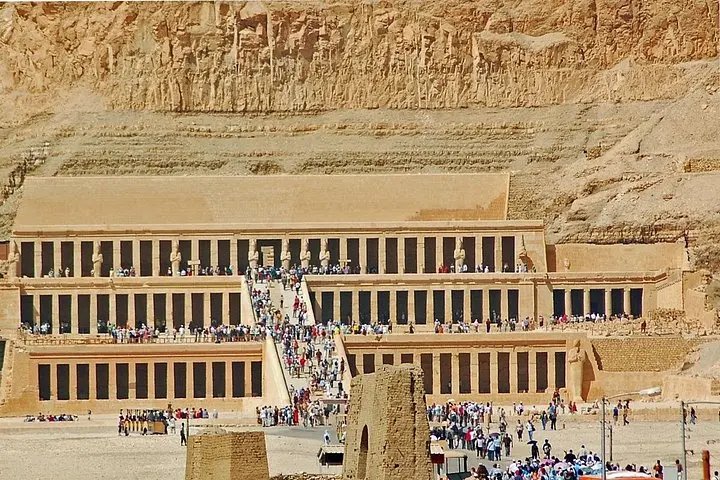
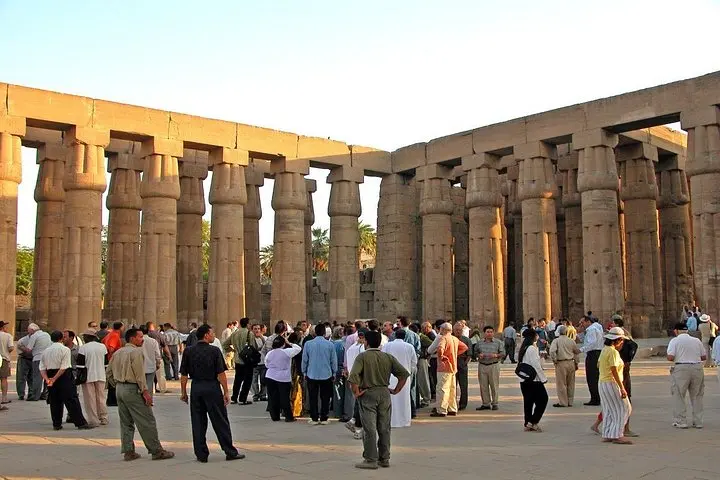
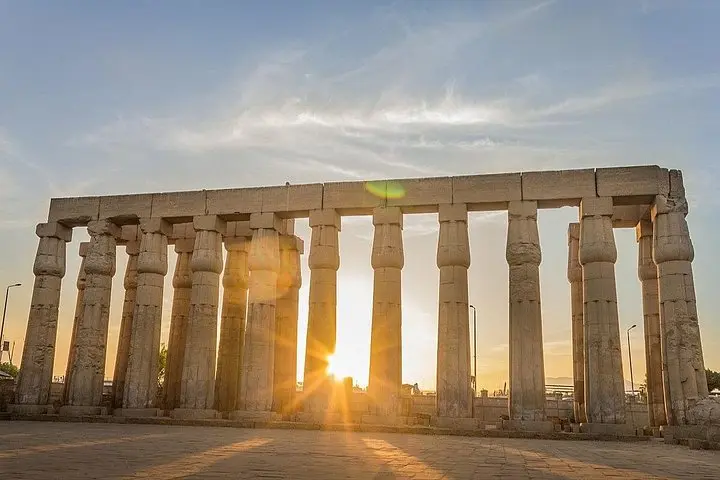
The tour threads through Egypt’s most concentrated archive of pharaonic power — Karnak’s avenue of sphinxes, the forest of papyrus columns in the Hypostyle Hall, and Luxor Temple’s sandstone pylons that glow orange as the sun drops. On day two the West Bank takes a different tone: the Valley of the Kings sinks into cool, shadowed corridors cut into the Theban cliffs, Hatshepsut’s terraces rise like a stage set from the rock, and the Colossi of Memnon keep a quiet, monumental watch.
Historically these monuments mark the New Kingdom’s religious and funerary heart; geologically they sit where the Nile’s floodplain meets desert limestone, which ancient builders quarried for ashlar and relief.
Practical guide: expect long days with uneven stone floors, staircases and deep shade-to-sun transitions. Bring sun protection, a refillable water bottle, comfortable closed-toe shoes, and small change for optional entrance tickets (special tombs like Tutankhamun require separate passes) and tips. Travel time one way is roughly four hours by road; luggage stays in the coach while you explore. Photography is generally allowed outside and in many tombs but follow guide instructions. Pace your visits around cooler hours, and come ready to trade air‑conditioned transit for walking among two thousand years of human scale architecture.
Yes — the tour includes hotel pickup and drop-off in Hurghada as part of the private package.
General site entry and guided visits are included, but special access to certain tombs (e.g., Tutankhamun) often requires an extra ticket purchased on site.
Expect approximately a four‑hour drive each way over good paved roads; travel times vary with traffic and stops.
The tour is labeled suitable for all fitness levels, but many sites have uneven ground and stairs—travelers with limited mobility should check specific access needs with the operator in advance.
Egypt Best Day Tours operates guided outdoor trips and adventures with an emphasis on safety, stewardship, and memorable experiences.
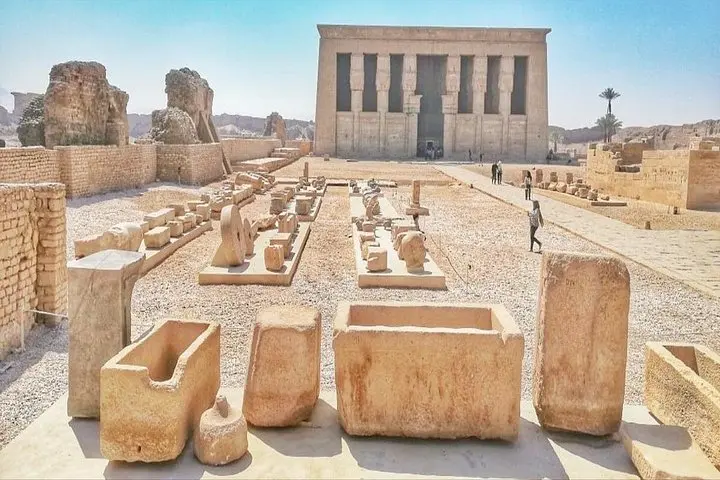
You wake before dawn in Hurghada and climb into an air‑conditioned vehicle as the desert blinks awake. The road to Luxor unspools through ochre plains and limestone ridges; by midmorning you stand beneath Hathor’s carved faces at Dendera, where painted ceilings and an astronomical relief stop time long enough to listen.
You wake before dawn in Hurghada and climb into an air‑conditioned vehicle as the desert blinks awake. The road to Luxor unspools through ochre plains and limestone ridges; by midmorning you stand beneath Hathor’s carved faces at Dendera, where painted ceilings and an astronomical relief stop time long enough to listen.
The tour threads through Egypt’s most concentrated archive of pharaonic power — Karnak’s avenue of sphinxes, the forest of papyrus columns in the Hypostyle Hall, and Luxor Temple’s sandstone pylons that glow orange as the sun drops. On day two the West Bank takes a different tone: the Valley of the Kings sinks into cool, shadowed corridors cut into the Theban cliffs, Hatshepsut’s terraces rise like a stage set from the rock, and the Colossi of Memnon keep a quiet, monumental watch.
Historically these monuments mark the New Kingdom’s religious and funerary heart; geologically they sit where the Nile’s floodplain meets desert limestone, which ancient builders quarried for ashlar and relief.
Practical guide: expect long days with uneven stone floors, staircases and deep shade-to-sun transitions. Bring sun protection, a refillable water bottle, comfortable closed-toe shoes, and small change for optional entrance tickets (special tombs like Tutankhamun require separate passes) and tips. Travel time one way is roughly four hours by road; luggage stays in the coach while you explore. Photography is generally allowed outside and in many tombs but follow guide instructions. Pace your visits around cooler hours, and come ready to trade air‑conditioned transit for walking among two thousand years of human scale architecture.