THE ADVENTURE COLLECTIVE® · Independent discovery and booking for outdoor travel

Sail the Nile from Luxor to Aswan on a five-day cruise that combines sun-deck relaxation with guided visits to Karnak, the Valley of the Kings, Kom Ombo and Philae. Expect archaeological highlights, short daily excursions, and easy river travel between iconic Upper Egypt sites.
Sail the Nile from Luxor to Aswan on a five-day cruise that combines sun-deck relaxation with guided visits to Karnak, the Valley of the Kings, Kom Ombo and Philae. Expect archaeological highlights, short daily excursions, and easy river travel between iconic Upper Egypt sites.
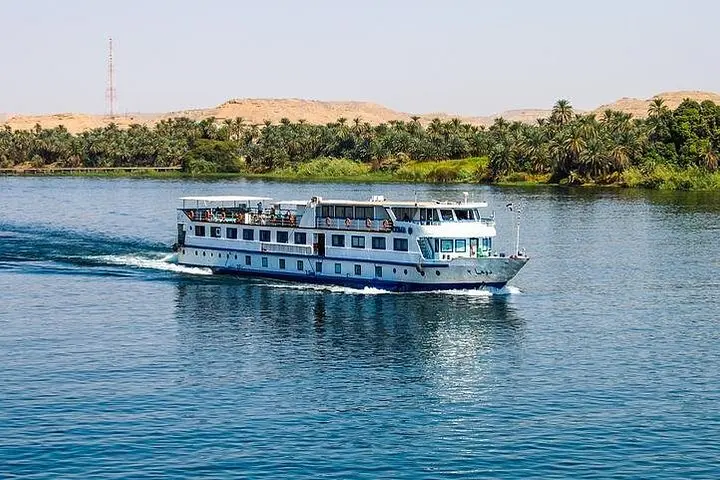
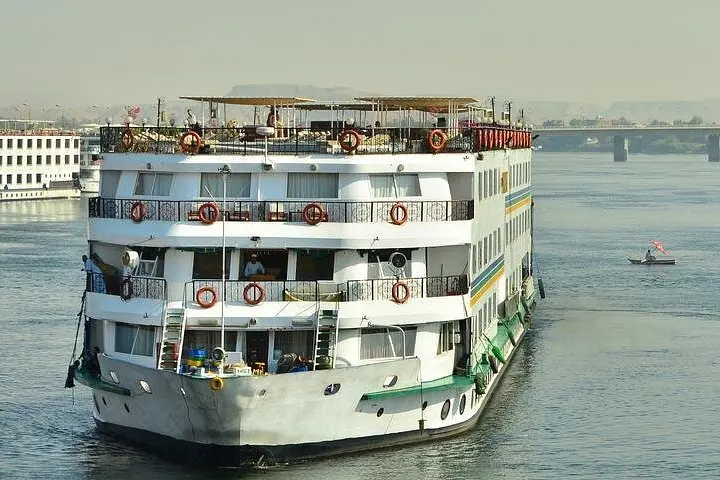
The Nile unfolds like a slow highway as the cruise peels away from Luxor at dawn, minarets shrinking and the river widening into a corridor of sand, papyrus and village life. On deck the wind cuts cool; the water dares you to watch closely — fishermen, feluccas, and herons trace the same current that fed pharaohs.
Verified experiences and guided adventures in the surrounding area.
Operated by Travel to Egypt · Luxor, Luxor Governorate
The Nile unfolds like a slow highway as the cruise peels away from Luxor at dawn, minarets shrinking and the river widening into a corridor of sand, papyrus and village life. On deck the wind cuts cool; the water dares you to watch closely — fishermen, feluccas, and herons trace the same current that fed pharaohs.
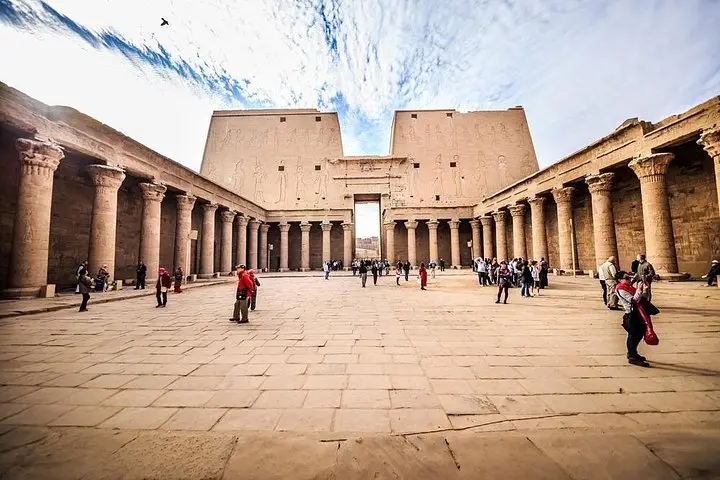
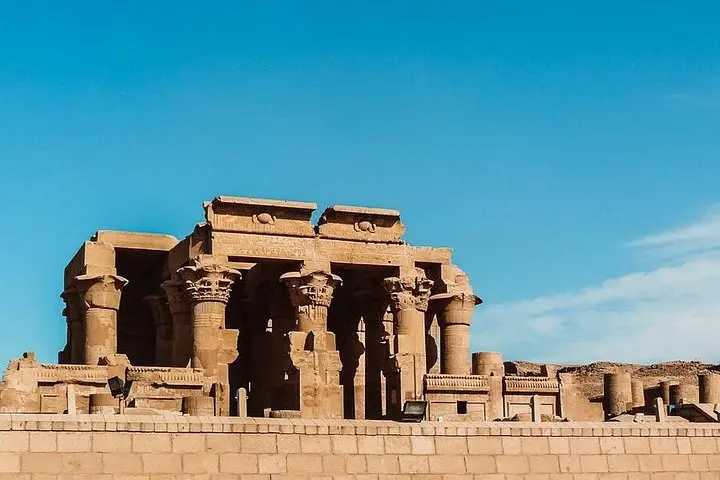
This five-day voyage threads Egypt’s most recognizable monuments: Karnak’s hypostyle halls, the Valley of the Kings’ painted tombs, Hatshepsut’s cliff-side temple, the dual shrines of Kom Ombo, and Philae’s island sanctuary. Geologically, you travel the edge of the Sahara Plateau where the Nile’s slow meanders deposit silt that made agriculture possible for millennia. Culturally, you move between modern river towns and ancient ritual landscapes; local Nubian communities around Aswan preserve crafts and boatbuilding traditions tied directly to the river.
Practical guidance: the cruise is a floating base — expect short guided shore excursions each day and time to relax on the sun deck. Distance by river from Luxor to Aswan is roughly 200–250 km; no significant elevation gain but uneven temple steps and sandy docks require steady footing. Carry a reusable water bottle, sun protection, and light layers for cool nights. Passport, Egyptian entry visa, and modest dress for temple sites are required.
Plan excursions in early morning or late afternoon to avoid the midday heat. Bring cash for tips and small purchases; respect restricted areas and photography rules inside tombs. The trip balances relaxation and archaeology — ideal for travelers who want culture at a measured, scenic pace.
The cruise includes guided shore visits, but some temple or site entrance fees and optional excursions (like Abu Simbel) may be extra—confirm with the operator before booking.
The listing notes wheelchair accessibility for transport and some areas, but many temple sites have steps and uneven ground; check specific mobility needs with the operator in advance.
Modest, lightweight clothing that covers shoulders and knees is appropriate; comfortable shoes for walking and a hat for sun protection are recommended.
Private air‑conditioned transfers to Aswan airport, train and bus stations are typically included on departure day—confirm pickup details and times when you book.
Travel to Egypt operates guided outdoor trips and adventures with an emphasis on safety, stewardship, and memorable experiences.
The Nile unfolds like a slow highway as the cruise peels away from Luxor at dawn, minarets shrinking and the river widening into a corridor of sand, papyrus and village life. On deck the wind cuts cool; the water dares you to watch closely — fishermen, feluccas, and herons trace the same current that fed pharaohs.
The Nile unfolds like a slow highway as the cruise peels away from Luxor at dawn, minarets shrinking and the river widening into a corridor of sand, papyrus and village life. On deck the wind cuts cool; the water dares you to watch closely — fishermen, feluccas, and herons trace the same current that fed pharaohs.
This five-day voyage threads Egypt’s most recognizable monuments: Karnak’s hypostyle halls, the Valley of the Kings’ painted tombs, Hatshepsut’s cliff-side temple, the dual shrines of Kom Ombo, and Philae’s island sanctuary. Geologically, you travel the edge of the Sahara Plateau where the Nile’s slow meanders deposit silt that made agriculture possible for millennia. Culturally, you move between modern river towns and ancient ritual landscapes; local Nubian communities around Aswan preserve crafts and boatbuilding traditions tied directly to the river.
Practical guidance: the cruise is a floating base — expect short guided shore excursions each day and time to relax on the sun deck. Distance by river from Luxor to Aswan is roughly 200–250 km; no significant elevation gain but uneven temple steps and sandy docks require steady footing. Carry a reusable water bottle, sun protection, and light layers for cool nights. Passport, Egyptian entry visa, and modest dress for temple sites are required.
Plan excursions in early morning or late afternoon to avoid the midday heat. Bring cash for tips and small purchases; respect restricted areas and photography rules inside tombs. The trip balances relaxation and archaeology — ideal for travelers who want culture at a measured, scenic pace.