THE ADVENTURE COLLECTIVE® · Independent discovery and booking for outdoor travel

Drift south on a five‑day Nile cruise from Luxor to Aswan, pausing at Karnak, the Valley of the Kings, Edfu, Kom Ombo, and Philae. This guided trip pairs expert Egyptology commentary with comfortable nights onboard, letting the river set the pace.
Drift south on a five‑day Nile cruise from Luxor to Aswan, pausing at Karnak, the Valley of the Kings, Edfu, Kom Ombo, and Philae. This guided trip pairs expert Egyptology commentary with comfortable nights onboard, letting the river set the pace.
The Nile arrives as a slow, patient companion: wide, reflecting, and steering your pace as the cruise slips south from Luxor toward Aswan. On deck the river draws a changing shoreline of palm groves, mudbrick villages, and stone temples standing like weathered pages of history. At sunrise the light angles across columns at Karnak; by afternoon the boat hums toward Kom Ombo with minarets and feluccas punctuating the horizon.
Verified experiences and guided adventures in the surrounding area.
Operated by Bastet Travel · Luxor, Luxor Governorate
The Nile arrives as a slow, patient companion: wide, reflecting, and steering your pace as the cruise slips south from Luxor toward Aswan. On deck the river draws a changing shoreline of palm groves, mudbrick villages, and stone temples standing like weathered pages of history. At sunrise the light angles across columns at Karnak; by afternoon the boat hums toward Kom Ombo with minarets and feluccas punctuating the horizon.
This corridor of Upper Egypt holds layered histories — Pharaonic necropolises on the West Bank, Greco-Roman temple additions at Philae, and the 20th‑century imprint of the Aswan High Dam. Geologically, the Nile here meanders across alluvial floodplain and exposed granite outcrops near Aswan; culture is inseparable from riverine agriculture and Nubian communities that line the banks.
Expect guided walks through the Valley of the Kings, the well‑preserved Edfu temple, Kom Ombo’s dual sanctuaries, and Philae’s island shrine. Entrance fees and an Egyptologist guide are typically included, and nights onboard a 5‑star cruise give you meals and transfers. Terrain at sites involves uneven stone steps, sandy paths, and occasional short climbs; carry steady shoes and sun protection.
Practical rhythm: plan early starts to avoid midday heat, bring a refillable bottle (limited complimentary water provided), and allow time to linger on the sun deck between stops. If you’re drawn to history and slow travel, this five‑day passage is efficient and immersive — the river both moves you and insists you slow down to read the landscape.
Most standard temple and tomb entry fees are included in this tour; optional excursions like Abu Simbel may require an extra fee.
Daily walks involve uneven ground and stairs but are short; no technical fitness is required though steady balance helps.
The cruise is broadly accessible and marked wheelchair‑friendly, though some archaeological sites have limited wheelchair access and require assistance.
An English‑speaking Egyptologist guide is provided; inquire about guides in other languages when booking.
Bastet Travel operates guided outdoor trips and adventures with an emphasis on safety, stewardship, and memorable experiences.
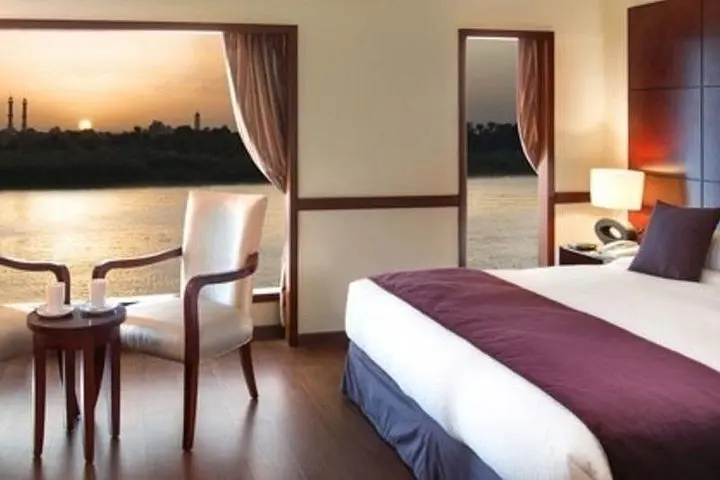
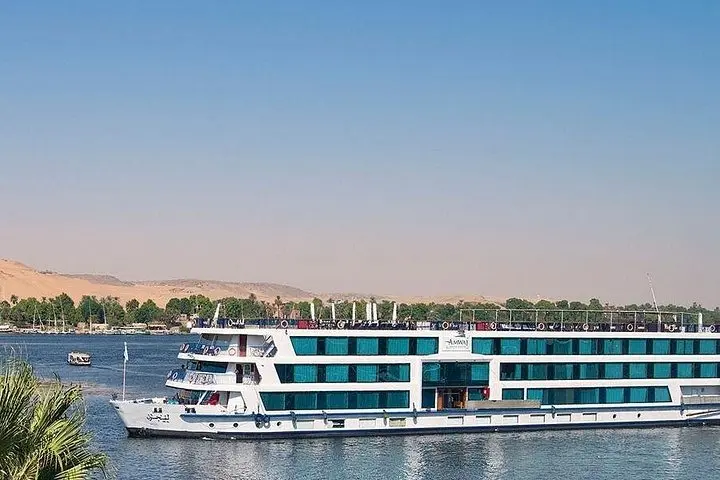
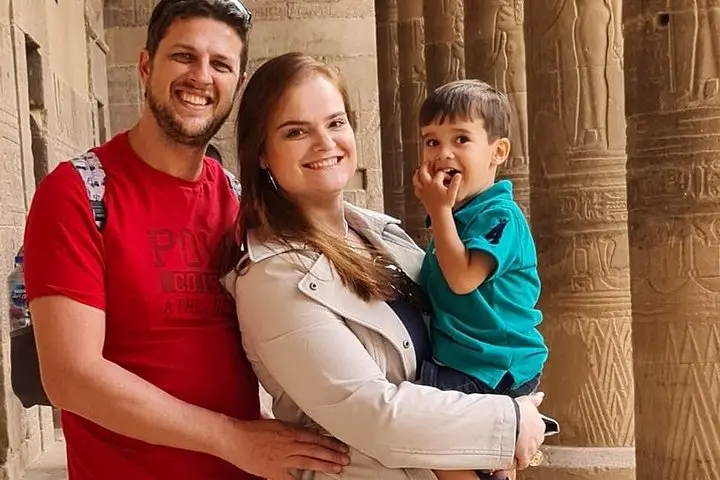

The Nile arrives as a slow, patient companion: wide, reflecting, and steering your pace as the cruise slips south from Luxor toward Aswan. On deck the river draws a changing shoreline of palm groves, mudbrick villages, and stone temples standing like weathered pages of history. At sunrise the light angles across columns at Karnak; by afternoon the boat hums toward Kom Ombo with minarets and feluccas punctuating the horizon.
The Nile arrives as a slow, patient companion: wide, reflecting, and steering your pace as the cruise slips south from Luxor toward Aswan. On deck the river draws a changing shoreline of palm groves, mudbrick villages, and stone temples standing like weathered pages of history. At sunrise the light angles across columns at Karnak; by afternoon the boat hums toward Kom Ombo with minarets and feluccas punctuating the horizon.
This corridor of Upper Egypt holds layered histories — Pharaonic necropolises on the West Bank, Greco-Roman temple additions at Philae, and the 20th‑century imprint of the Aswan High Dam. Geologically, the Nile here meanders across alluvial floodplain and exposed granite outcrops near Aswan; culture is inseparable from riverine agriculture and Nubian communities that line the banks.
Expect guided walks through the Valley of the Kings, the well‑preserved Edfu temple, Kom Ombo’s dual sanctuaries, and Philae’s island shrine. Entrance fees and an Egyptologist guide are typically included, and nights onboard a 5‑star cruise give you meals and transfers. Terrain at sites involves uneven stone steps, sandy paths, and occasional short climbs; carry steady shoes and sun protection.
Practical rhythm: plan early starts to avoid midday heat, bring a refillable bottle (limited complimentary water provided), and allow time to linger on the sun deck between stops. If you’re drawn to history and slow travel, this five‑day passage is efficient and immersive — the river both moves you and insists you slow down to read the landscape.