THE ADVENTURE COLLECTIVE® · Independent discovery and booking for outdoor travel

Ride a camel across the Nile’s West Bank, crossing by ferry to track along farmland and village lanes beside Luxor’s river. This three‑hour safari pairs gentle riding with close-up views of everyday Nile life.
Ride a camel across the Nile’s West Bank, crossing by ferry to track along farmland and village lanes beside Luxor’s river. This three‑hour safari pairs gentle riding with close-up views of everyday Nile life.
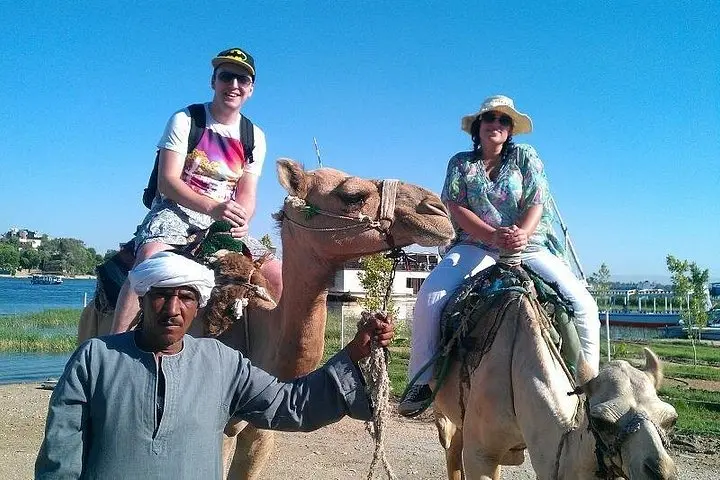
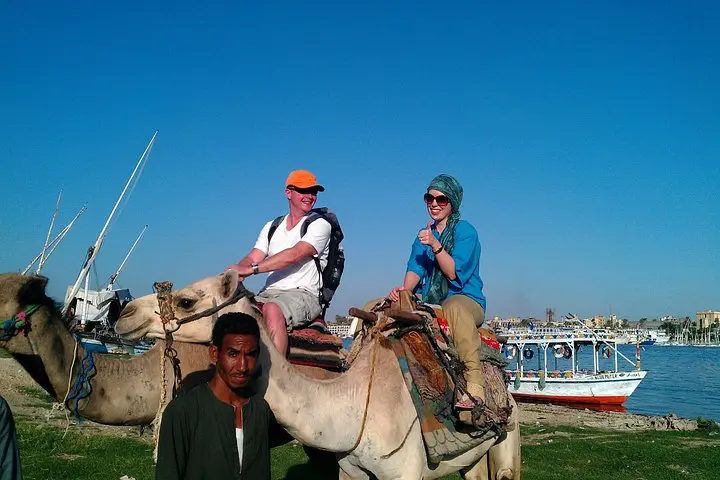
Morning light stretches across the Nile as you disembark a short ferry to the West Bank and mount a camel, the river’s current daring you to slow down and watch local life unfold. The animals stand patient; their hooves sink into the soft sand while farmers guide donkeys and children wave from irrigation ditches. You follow a low-slung track through green fields and small villages where roadside stalls sell tea and sugarcane.
Verified experiences and guided adventures in the surrounding area.
Operated by LuxorPrivateTour · Luxor, Luxor Governorate
Morning light stretches across the Nile as you disembark a short ferry to the West Bank and mount a camel, the river’s current daring you to slow down and watch local life unfold. The animals stand patient; their hooves sink into the soft sand while farmers guide donkeys and children wave from irrigation ditches. You follow a low-slung track through green fields and small villages where roadside stalls sell tea and sugarcane.
Luxor sits on the ruins of ancient Thebes; the West Bank has supported millennia of agriculture that fed pharaohs and priests. Geologically, the valley is a narrow alluvial ribbon cut by the Nile’s annual flood, creating fertile bands of farmland and palm groves beside stark desert limestone outcrops. Culturally, this route passes through working communities—expect calls of market vendors, domestic animals, and the smell of fresh bread.
Practical guidance: the ride is gentle and suitable for most riders, but camels sit and rise with a pronounced motion—brace your core and heed the handler’s instructions. Bring sun protection and ample water; temperatures can spike quickly. The tour usually includes a short ferry crossing, so wear shoes that tolerate a wet deck and sand.
Timing matters: early mornings offer cooler air and clearer light for photos; late afternoons can be beautiful but hotter. Respect private farmland—stay on the camel track, avoid trampling crops, and ask before photographing people. This short, three-hour outing delivers sensory snapshots of Nile-side life and a practical, comfortable introduction to riding in Upper Egypt.
The full experience is about three hours including hotel pickup, the ferry crossing and the guided camel route along the West Bank.
No—camels are handled by experienced guides and the ride is suitable for beginners, though mounting and the camel’s movement can feel unfamiliar.
Not recommended for travelers with serious back, neck, or heart conditions, or for pregnant visitors; check the operator’s guidance before booking.
Yes—the itinerary typically includes a short motor boat or ferry crossing of the Nile as part of the transfer to the West Bank.
LuxorPrivateTour operates guided outdoor trips and adventures with an emphasis on safety, stewardship, and memorable experiences.
Morning light stretches across the Nile as you disembark a short ferry to the West Bank and mount a camel, the river’s current daring you to slow down and watch local life unfold. The animals stand patient; their hooves sink into the soft sand while farmers guide donkeys and children wave from irrigation ditches. You follow a low-slung track through green fields and small villages where roadside stalls sell tea and sugarcane.
Morning light stretches across the Nile as you disembark a short ferry to the West Bank and mount a camel, the river’s current daring you to slow down and watch local life unfold. The animals stand patient; their hooves sink into the soft sand while farmers guide donkeys and children wave from irrigation ditches. You follow a low-slung track through green fields and small villages where roadside stalls sell tea and sugarcane.
Luxor sits on the ruins of ancient Thebes; the West Bank has supported millennia of agriculture that fed pharaohs and priests. Geologically, the valley is a narrow alluvial ribbon cut by the Nile’s annual flood, creating fertile bands of farmland and palm groves beside stark desert limestone outcrops. Culturally, this route passes through working communities—expect calls of market vendors, domestic animals, and the smell of fresh bread.
Practical guidance: the ride is gentle and suitable for most riders, but camels sit and rise with a pronounced motion—brace your core and heed the handler’s instructions. Bring sun protection and ample water; temperatures can spike quickly. The tour usually includes a short ferry crossing, so wear shoes that tolerate a wet deck and sand.
Timing matters: early mornings offer cooler air and clearer light for photos; late afternoons can be beautiful but hotter. Respect private farmland—stay on the camel track, avoid trampling crops, and ask before photographing people. This short, three-hour outing delivers sensory snapshots of Nile-side life and a practical, comfortable introduction to riding in Upper Egypt.