THE ADVENTURE COLLECTIVE® · Independent discovery and booking for outdoor travel

A long day that compresses Luxor’s highlights into a single, guided itinerary: Karnak’s pillared halls, the Colossi of Memnon, three tombs in the Valley of the Kings and Hatshepsut’s terraced temple. Expect long walks, strong sun and a steep dose of ancient history.
A long day that compresses Luxor’s highlights into a single, guided itinerary: Karnak’s pillared halls, the Colossi of Memnon, three tombs in the Valley of the Kings and Hatshepsut’s terraced temple. Expect long walks, strong sun and a steep dose of ancient history.
The engine hums as the coastal road gives way to ochre desert; dusted ridges push the horizon toward the Nile and Luxor’s silhouette appears like an ancient city reasserting itself. You arrive after a long, air‑conditioned drive for a day where stone and sun set the pace—Karnak’s forest of pillars first, then the carved silence of the West Bank.
Verified experiences and guided adventures in the surrounding area.
Operated by Charming Egypt Tours · Luxor, Luxor Governorate
The engine hums as the coastal road gives way to ochre desert; dusted ridges push the horizon toward the Nile and Luxor’s silhouette appears like an ancient city reasserting itself. You arrive after a long, air‑conditioned drive for a day where stone and sun set the pace—Karnak’s forest of pillars first, then the carved silence of the West Bank.
Karnak spans millennia of New Kingdom ambition: pharaohs added pylons and obelisks in a layered campaign of devotion. Geologically, Luxor sits on the eastern Nile floodplain, bordered by limestone escarpments that pharaohs cut into for their tombs; those cliffs on the West Bank make the Valley of the Kings a perfect refrigerated archive of painted burial chambers. Culturally the city was Thebes, a political and religious hub whose rituals still echo in the reliefs.
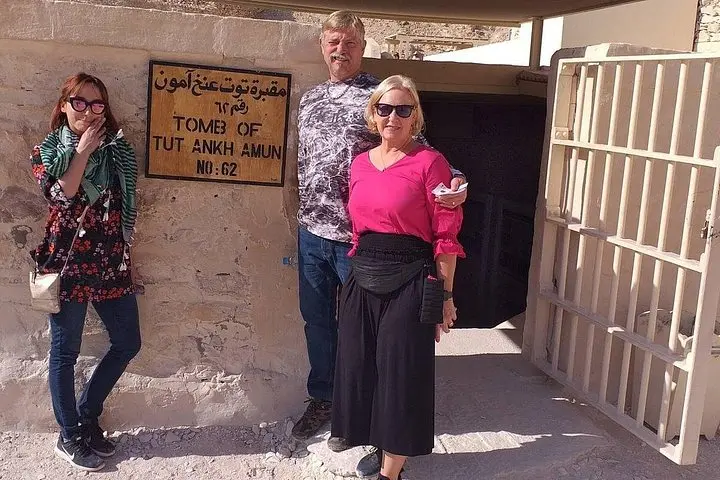
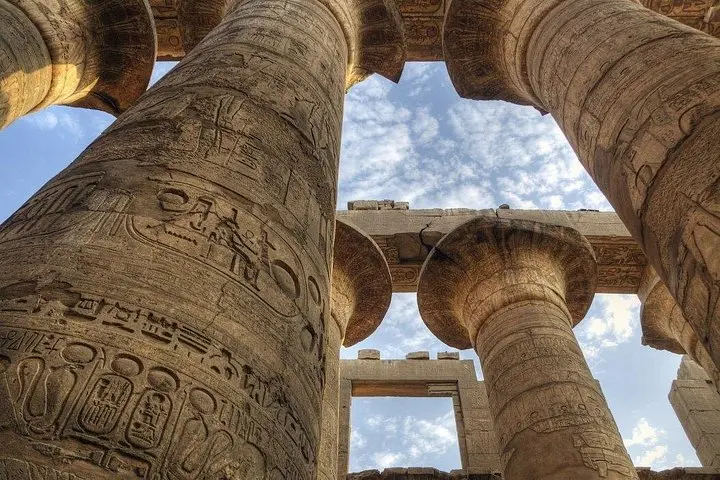
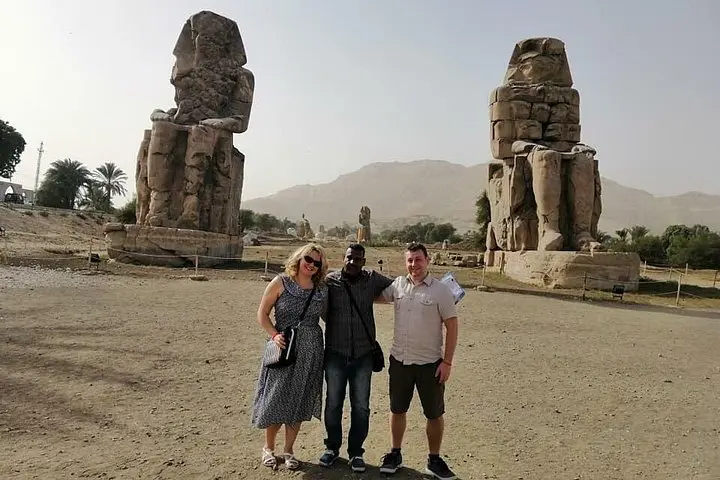
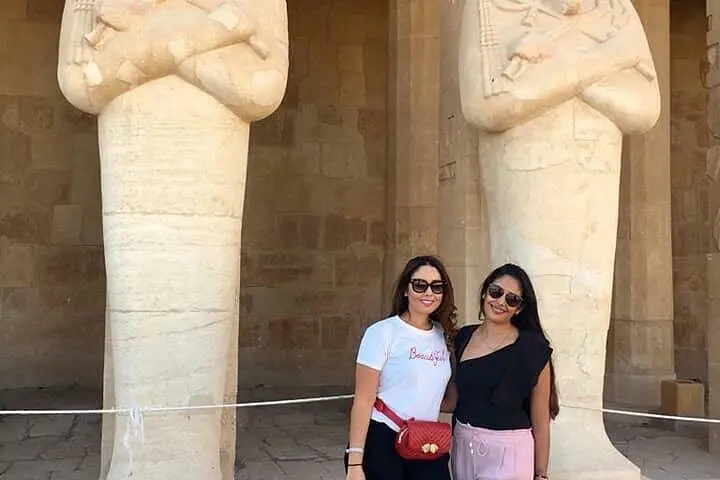
The tour moves efficiently—Hypostyle Hall’s columns dwarf you, the Colossi of Memnon loom like two silent guards, and the Valley of the Kings rewards the patient with cool, shadowed corridors and vivid wall scenes (tours usually include entry to three tombs). Hatshepsut’s terraced mortuary temple climbs the plain with a minimalist geometry that contrasts the ornate temples.
Practical note: expect long walks on uneven stone, stairs, and strong sun. Bring sun protection, water, and comfortable shoes. Photography rules vary by tomb; follow your Egyptologist guide and avoid touching painted surfaces. Allow time for a relaxed lunch and a short browse of local papyrus workshops—your guide can point to reputable makers. By dusk you’re back on the road, carrying limestone dust and a layered sense of history.
The private transfer is roughly a 3.5–4 hour drive each way, depending on traffic and stops.
Most standard tours include entry to a set number of tombs (this itinerary typically covers three); confirm specifics with your operator.
Yes—children can join, but parents should consider the long day, heat exposure, and limited stroller access at archaeological sites.
Yes—there are reputable papyrus workshops and markets; look for clear production demonstrations and avoid mass‑exported knockoffs.
Charming Egypt Tours operates guided outdoor trips and adventures with an emphasis on safety, stewardship, and memorable experiences.
The engine hums as the coastal road gives way to ochre desert; dusted ridges push the horizon toward the Nile and Luxor’s silhouette appears like an ancient city reasserting itself. You arrive after a long, air‑conditioned drive for a day where stone and sun set the pace—Karnak’s forest of pillars first, then the carved silence of the West Bank.
The engine hums as the coastal road gives way to ochre desert; dusted ridges push the horizon toward the Nile and Luxor’s silhouette appears like an ancient city reasserting itself. You arrive after a long, air‑conditioned drive for a day where stone and sun set the pace—Karnak’s forest of pillars first, then the carved silence of the West Bank.
Karnak spans millennia of New Kingdom ambition: pharaohs added pylons and obelisks in a layered campaign of devotion. Geologically, Luxor sits on the eastern Nile floodplain, bordered by limestone escarpments that pharaohs cut into for their tombs; those cliffs on the West Bank make the Valley of the Kings a perfect refrigerated archive of painted burial chambers. Culturally the city was Thebes, a political and religious hub whose rituals still echo in the reliefs.
The tour moves efficiently—Hypostyle Hall’s columns dwarf you, the Colossi of Memnon loom like two silent guards, and the Valley of the Kings rewards the patient with cool, shadowed corridors and vivid wall scenes (tours usually include entry to three tombs). Hatshepsut’s terraced mortuary temple climbs the plain with a minimalist geometry that contrasts the ornate temples.
Practical note: expect long walks on uneven stone, stairs, and strong sun. Bring sun protection, water, and comfortable shoes. Photography rules vary by tomb; follow your Egyptologist guide and avoid touching painted surfaces. Allow time for a relaxed lunch and a short browse of local papyrus workshops—your guide can point to reputable makers. By dusk you’re back on the road, carrying limestone dust and a layered sense of history.