THE ADVENTURE COLLECTIVE® · Independent discovery and booking for outdoor travel

A full-day Luxor excursion from Hurghada that compresses Karnak, Hatshepsut’s temple, the Valley of the Kings, and local artisan workshops into an intense 17–19 hour cultural adventure. Perfect for history-minded travelers willing to trade one long day for a lifetime of images.
A full-day Luxor excursion from Hurghada that compresses Karnak, Hatshepsut’s temple, the Valley of the Kings, and local artisan workshops into an intense 17–19 hour cultural adventure. Perfect for history-minded travelers willing to trade one long day for a lifetime of images.
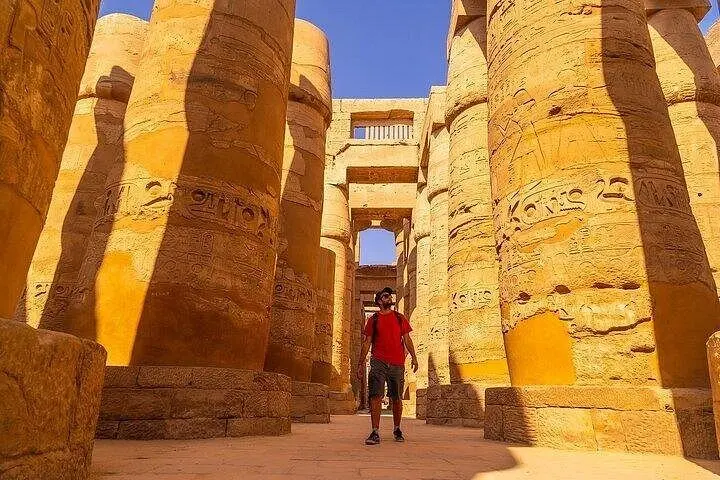
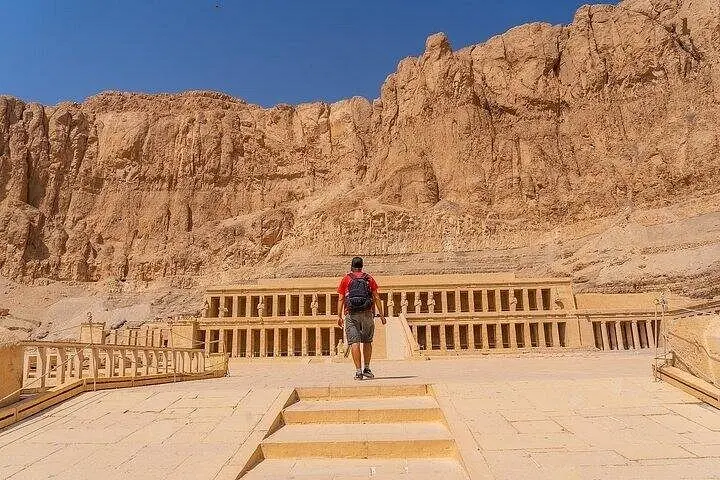
By first light the coach slides out of Hurghada and the Red Sea coast peels away into low desert—an ochre plain that dares you to look ahead. Hours later the Nile's green ribbon appears and the temples of ancient Thebes rise like stories carved in stone: towering columns at Karnak, the terraced cliffs of Hatshepsut's mortuary temple, and the cool, shadowed corridors of the Valley of the Kings.
Verified experiences and guided adventures in the surrounding area.
Operated by Noun Travel · Luxor, Luxor Governorate
By first light the coach slides out of Hurghada and the Red Sea coast peels away into low desert—an ochre plain that dares you to look ahead. Hours later the Nile's green ribbon appears and the temples of ancient Thebes rise like stories carved in stone: towering columns at Karnak, the terraced cliffs of Hatshepsut's mortuary temple, and the cool, shadowed corridors of the Valley of the Kings.
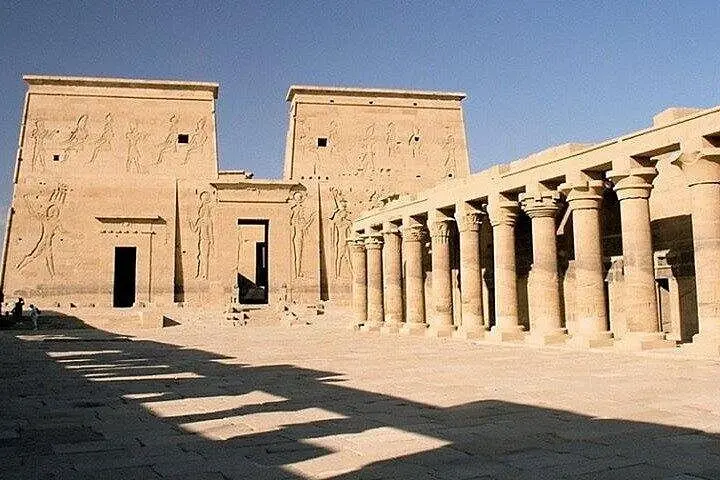
Karnak grew over two millennia into a monumental complex dominated by the Hypostyle Hall; its sandstone columns and inscribed pylons record pharaonic politics and ritual engineering. Hatshepsut’s temple sits as a geometric pause against sandstone cliffs, a rare public statement by a woman who ruled as king. The Valley of the Kings—an arid necropolis—holds New Kingdom tombs cut deep into limestone, their painted chambers vulnerable to breath and light.
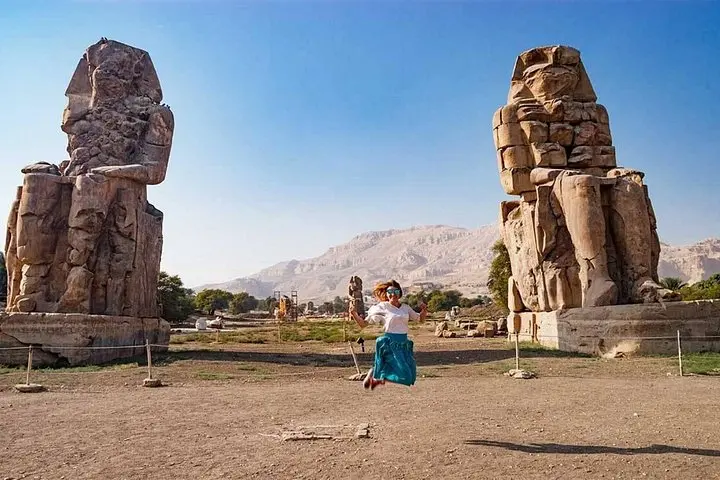
The day includes cultural touches: a licensed Egyptologist guide, a stop at alabaster workshops where artisans shape stone with age-old techniques, and a glimpse of Colossi of Memnon. Expect a mix of outdoor walking on uneven stone, short climbs, and periods inside dim tombs where flash photography is often restricted.
Practical guidance: this is a long 17–19 hour day—pack sun protection, refillable water, comfortable shoes, and light layers for cooler evenings. Carry small bills in Egyptian pounds for optional entrances or souvenirs and follow site rules to help preserve fragile paints and carvings. Plan for early pickup, wear respectful clothing at religious sites, and leave extra time to savor the Nile-side light on your return to Hurghada.
Pickup and drop-off are provided at Hurghada hotels; exact pickup time is given at booking and depends on hotel location.
Some stops like the Colossi and certain workshops may be included, but main tomb entries and optional extra tombs often require separate tickets—bring local currency for admissions and on-site fees.
Restrooms are available at major sites and the scheduled lunch in Luxor is included; bring small change for secondary stops or refreshments between sites.
Photography rules vary by tomb—flash is typically prohibited to protect pigments and guides will advise which chambers allow non-flash images.
Noun Travel operates guided outdoor trips and adventures with an emphasis on safety, stewardship, and memorable experiences.
By first light the coach slides out of Hurghada and the Red Sea coast peels away into low desert—an ochre plain that dares you to look ahead. Hours later the Nile's green ribbon appears and the temples of ancient Thebes rise like stories carved in stone: towering columns at Karnak, the terraced cliffs of Hatshepsut's mortuary temple, and the cool, shadowed corridors of the Valley of the Kings.
By first light the coach slides out of Hurghada and the Red Sea coast peels away into low desert—an ochre plain that dares you to look ahead. Hours later the Nile's green ribbon appears and the temples of ancient Thebes rise like stories carved in stone: towering columns at Karnak, the terraced cliffs of Hatshepsut's mortuary temple, and the cool, shadowed corridors of the Valley of the Kings.
Karnak grew over two millennia into a monumental complex dominated by the Hypostyle Hall; its sandstone columns and inscribed pylons record pharaonic politics and ritual engineering. Hatshepsut’s temple sits as a geometric pause against sandstone cliffs, a rare public statement by a woman who ruled as king. The Valley of the Kings—an arid necropolis—holds New Kingdom tombs cut deep into limestone, their painted chambers vulnerable to breath and light.
The day includes cultural touches: a licensed Egyptologist guide, a stop at alabaster workshops where artisans shape stone with age-old techniques, and a glimpse of Colossi of Memnon. Expect a mix of outdoor walking on uneven stone, short climbs, and periods inside dim tombs where flash photography is often restricted.
Practical guidance: this is a long 17–19 hour day—pack sun protection, refillable water, comfortable shoes, and light layers for cooler evenings. Carry small bills in Egyptian pounds for optional entrances or souvenirs and follow site rules to help preserve fragile paints and carvings. Plan for early pickup, wear respectful clothing at religious sites, and leave extra time to savor the Nile-side light on your return to Hurghada.