THE ADVENTURE COLLECTIVE® · Independent discovery and booking for outdoor travel

Cross the desert from Hurghada for a packed day in Luxor: explore the Valley of the Kings, Hatshepsut’s temple and Karnak’s hypostyle hall. This guide outlines what to expect on the 10–12 hour cultural road trip and how to prepare for heat, walking and logistics.
Cross the desert from Hurghada for a packed day in Luxor: explore the Valley of the Kings, Hatshepsut’s temple and Karnak’s hypostyle hall. This guide outlines what to expect on the 10–12 hour cultural road trip and how to prepare for heat, walking and logistics.
The road opens before first light: a ribbon of highway through dust-dry desert that gradually softens as the Nile dares you to leave its green banks. By midmorning you cross the river into ancient Thebes, where sandstone cliffs hold tombs and the air smells faintly of papyrus and spice.
Verified experiences and guided adventures in the surrounding area.
Operated by Oman Day Tours · Luxor, Luxor Governorate
The road opens before first light: a ribbon of highway through dust-dry desert that gradually softens as the Nile dares you to leave its green banks. By midmorning you cross the river into ancient Thebes, where sandstone cliffs hold tombs and the air smells faintly of papyrus and spice.
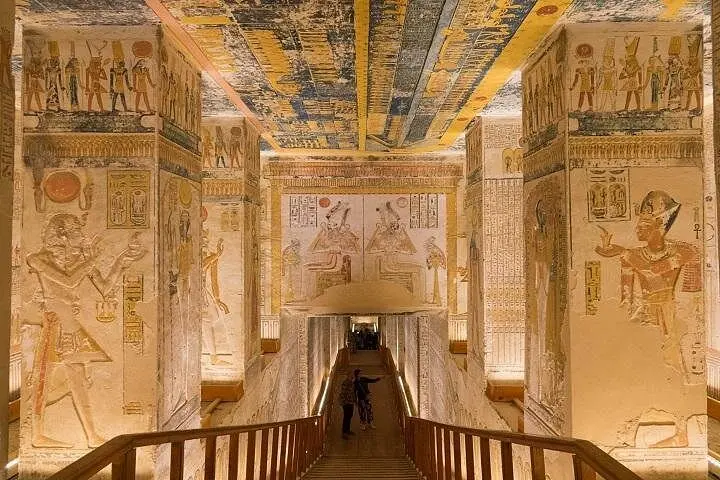
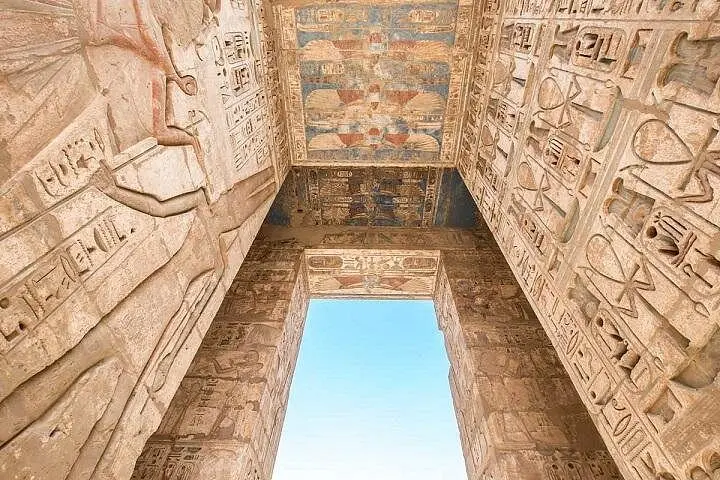
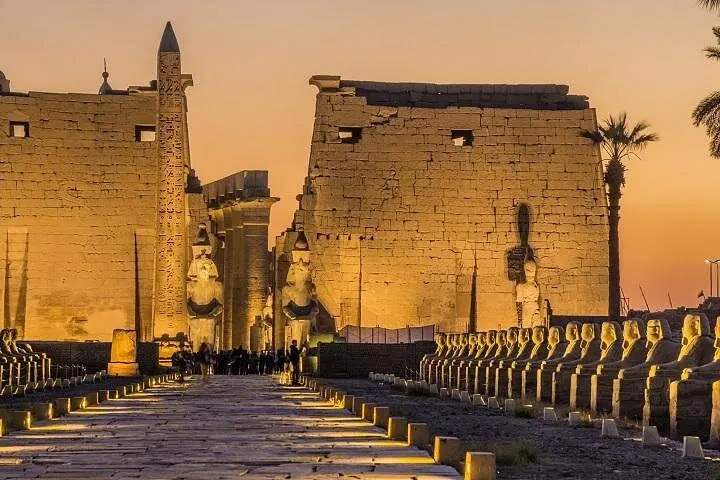
This day trip moves fast but purposefully. You’ll visit the Valley of the Kings — tombs cut into the Theban Hills with painted corridors and burial chambers — then the modern-clean lines of Queen Hatshepsut’s mortuary temple and the immense column forest of Karnak, where 134 columns in the hypostyle hall create a room-scale geometry few modern architects attempt. The Colossi of Memnon stand like quiet guards on the plain; a stop lets you measure human scale against ancient ambition.
Geologically you’ll notice the contrast between the baked yellow limestone of the west bank and the Nile’s irrigated green strips; culturally, Luxor is the living link between Pharaonic ceremony and contemporary Egyptian life — farmers, ferry operators and craftsmen keep the river economy moving.
Practical guidance: it’s a long 10–12 hour day (roughly 3–3.5 hours each way from Hurghada, about 300 km), so start early, bring sun protection, and plan for lots of walking on uneven stone. Expect local guide narration, museum- or ticket-line waits, and brief stops for refreshments. Hydrate, wear supportive shoes, and budget cash for small purchases and tips — this is a concentrated, high-value cultural day with striking outdoor moments.
Expect about 3–3.5 hours each way by air-conditioned vehicle, roughly 300 km depending on route and stops.
Typical day-trip packages include main site admissions, but always confirm at booking — some special tombs or museums may require extra fees.
Children can enjoy the trip but parents should prepare for a long day, sun exposure and uneven steps; infants/very young kids may struggle with the schedule.
Yes — itineraries include brief lunch and refreshment stops, but time is limited so bring snacks if you have dietary needs.
Oman Day Tours operates guided outdoor trips and adventures with an emphasis on safety, stewardship, and memorable experiences.
The road opens before first light: a ribbon of highway through dust-dry desert that gradually softens as the Nile dares you to leave its green banks. By midmorning you cross the river into ancient Thebes, where sandstone cliffs hold tombs and the air smells faintly of papyrus and spice.
The road opens before first light: a ribbon of highway through dust-dry desert that gradually softens as the Nile dares you to leave its green banks. By midmorning you cross the river into ancient Thebes, where sandstone cliffs hold tombs and the air smells faintly of papyrus and spice.
This day trip moves fast but purposefully. You’ll visit the Valley of the Kings — tombs cut into the Theban Hills with painted corridors and burial chambers — then the modern-clean lines of Queen Hatshepsut’s mortuary temple and the immense column forest of Karnak, where 134 columns in the hypostyle hall create a room-scale geometry few modern architects attempt. The Colossi of Memnon stand like quiet guards on the plain; a stop lets you measure human scale against ancient ambition.
Geologically you’ll notice the contrast between the baked yellow limestone of the west bank and the Nile’s irrigated green strips; culturally, Luxor is the living link between Pharaonic ceremony and contemporary Egyptian life — farmers, ferry operators and craftsmen keep the river economy moving.
Practical guidance: it’s a long 10–12 hour day (roughly 3–3.5 hours each way from Hurghada, about 300 km), so start early, bring sun protection, and plan for lots of walking on uneven stone. Expect local guide narration, museum- or ticket-line waits, and brief stops for refreshments. Hydrate, wear supportive shoes, and budget cash for small purchases and tips — this is a concentrated, high-value cultural day with striking outdoor moments.