
Luxor Day Trip from Hurghada: Valley of the Kings, King Tut & Karnak in One Day
A long, immersive day that moves from Hurghada’s coastline across desert to Luxor’s monumental Theban sites. See the Valley of the Kings, Hatshepsut’s temple, the Colossi of Memnon and Karnak, with practical tips for handling the long transfers and fragile sites.
An Adventure In Luxor.
A long, immersive day that moves from Hurghada’s coastline across desert to Luxor’s monumental Theban sites. See the Valley of the Kings, Hatshepsut’s temple, the Colossi of Memnon and Karnak, with practical tips for handling the long transfers and fragile sites.
Read the full experience
You arrive before the heat swells, the van easing out of Hurghada into long bands of desert that seem to push you forward toward the Nile. By midmorning the landscape has changed: palm-lined fields appear, the river cutting a green ribbon through ochre stone. At the Valley of the Kings the air smells faintly of sun-warmed rock as you step into the shadowed entries of royal tombs carved deep into the west bank.
You arrive before the heat swells, the van easing out of Hurghada into long bands of desert that seem to push you forward toward the Nile. By midmorning the landscape has changed: palm-lined fields appear, the river cutting a green ribbon through ochre stone. At the Valley of the Kings the air smells faintly of sun-warmed rock as you step into the shadowed entries of royal tombs carved deep into the west bank.
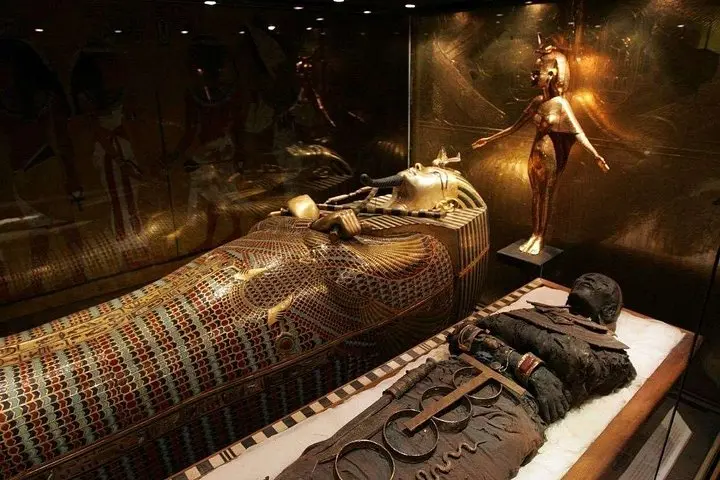
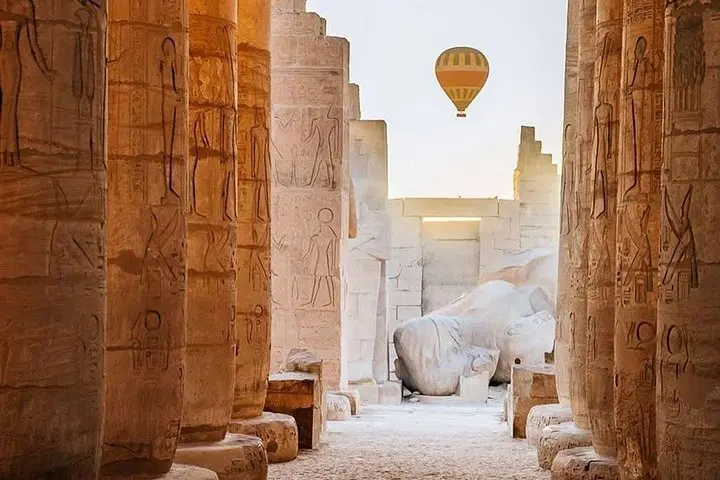
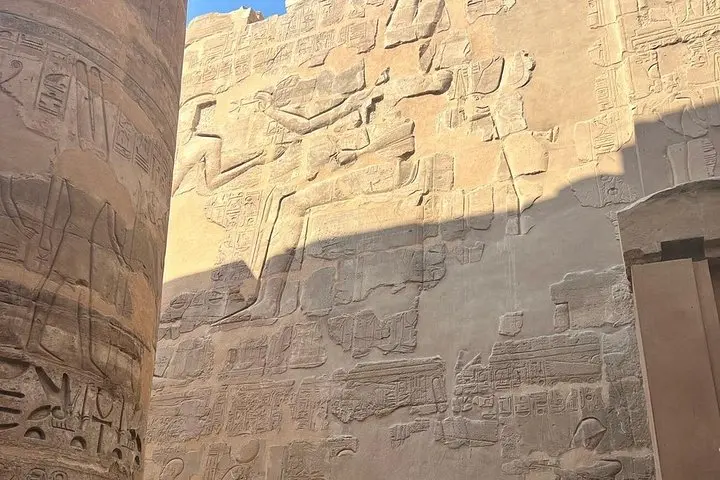
This single-day route stitches together key chapters of New Kingdom Egypt. The Valley of the Kings holds tombs of 18th–20th dynasty pharaohs; Tutankhamun’s burial chamber—small but famously intact—offers an intimate look at funerary craft. Hatshepsut’s mortuary temple at Deir el-Bahari rises in terraces against a cliff face, an unusual architectural statement by Egypt’s most powerful woman. The Colossi of Memnon stand like mute gatekeepers, while Karnak’s forest of columns records 2,000 years of expansion and ritual practice.
Geology here is stark: limestone and sandstone shelves sculpted by wind and flash floods, quarried for sarcophagi and reliefs. Culturally, the area remains alive—local guides, restoration teams, and museum curators interpret and protect layers of history.
Practical notes: this is a long day with roughly four hours each way by van; plan for early pickup, limited shade between sites, and uneven ground inside tombs. Carry water, sun protection, and comfortable shoes. Buy combined-entry or valid tickets in advance when possible, and follow site rules—do not touch painted surfaces. Timing your visit for morning hours at Valley of the Kings and late afternoon at Karnak gives cooler light and smaller crowds.
Frequently asked questions
Expect about a four-hour drive each way depending on traffic and road conditions, with rest stops en route.
Some options include all entry fees if you select the all-inclusive option; otherwise tickets for specific tombs or sites may be extra.
The route is physically easy with van transport, but tomb interiors have steps and low ceilings; ask about infant seats and mention mobility issues when booking.
Photography policies vary by tomb—flash is often prohibited to protect pigments, and some sites restrict photography entirely; follow guide instructions.
About This Experience
Matching Travels operates guided outdoor trips and adventures with an emphasis on safety, stewardship, and memorable experiences.
Adventure tips
Recommended gear
- Sturdy walking shoes: Support and traction for uneven temple approaches and tomb interiors.
- Sun hat and sunglasses: Strong sun and reflective sand make head and eye protection essential.
- Refillable water bottle (1.5–2L): Stay hydrated during long transfers and while touring exposed sites.
- Light layers and scarf: Early mornings and evenings are cooler; a scarf protects from dust and sun.
Photos of the experience
Related adventures & guides
Read the full experience
You arrive before the heat swells, the van easing out of Hurghada into long bands of desert that seem to push you forward toward the Nile. By midmorning the landscape has changed: palm-lined fields appear, the river cutting a green ribbon through ochre stone. At the Valley of the Kings the air smells faintly of sun-warmed rock as you step into the shadowed entries of royal tombs carved deep into the west bank.
You arrive before the heat swells, the van easing out of Hurghada into long bands of desert that seem to push you forward toward the Nile. By midmorning the landscape has changed: palm-lined fields appear, the river cutting a green ribbon through ochre stone. At the Valley of the Kings the air smells faintly of sun-warmed rock as you step into the shadowed entries of royal tombs carved deep into the west bank.
This single-day route stitches together key chapters of New Kingdom Egypt. The Valley of the Kings holds tombs of 18th–20th dynasty pharaohs; Tutankhamun’s burial chamber—small but famously intact—offers an intimate look at funerary craft. Hatshepsut’s mortuary temple at Deir el-Bahari rises in terraces against a cliff face, an unusual architectural statement by Egypt’s most powerful woman. The Colossi of Memnon stand like mute gatekeepers, while Karnak’s forest of columns records 2,000 years of expansion and ritual practice.
Geology here is stark: limestone and sandstone shelves sculpted by wind and flash floods, quarried for sarcophagi and reliefs. Culturally, the area remains alive—local guides, restoration teams, and museum curators interpret and protect layers of history.
Practical notes: this is a long day with roughly four hours each way by van; plan for early pickup, limited shade between sites, and uneven ground inside tombs. Carry water, sun protection, and comfortable shoes. Buy combined-entry or valid tickets in advance when possible, and follow site rules—do not touch painted surfaces. Timing your visit for morning hours at Valley of the Kings and late afternoon at Karnak gives cooler light and smaller crowds.
Make a day of it nearby.
Verified experiences and guided adventures in the surrounding area.