THE ADVENTURE COLLECTIVE® · Independent discovery and booking for outdoor travel

A full-day journey from Soma Bay to Luxor takes you through changing desert and Nile landscapes to Karnak and Luxor Temples, with a riverside lunch en route. Expect long travel, uneven surfaces, and unforgettable ancient architecture.
A full-day journey from Soma Bay to Luxor takes you through changing desert and Nile landscapes to Karnak and Luxor Temples, with a riverside lunch en route. Expect long travel, uneven surfaces, and unforgettable ancient architecture.
The bus leaves Soma Bay Marina before dawn and the desert stretches out like a slow-moving film: low scrub, salt flats, and the occasional red-roofed village giving way to the broad sweep of the Nile valley as you approach Luxor.
Verified experiences and guided adventures in the surrounding area.
Operated by NORTH AFRICAN SHIPPING AND TOURISM COMPANY (NASCO TOURS) · Soma Bay, Red Sea Governorate
The bus leaves Soma Bay Marina before dawn and the desert stretches out like a slow-moving film: low scrub, salt flats, and the occasional red-roofed village giving way to the broad sweep of the Nile valley as you approach Luxor.
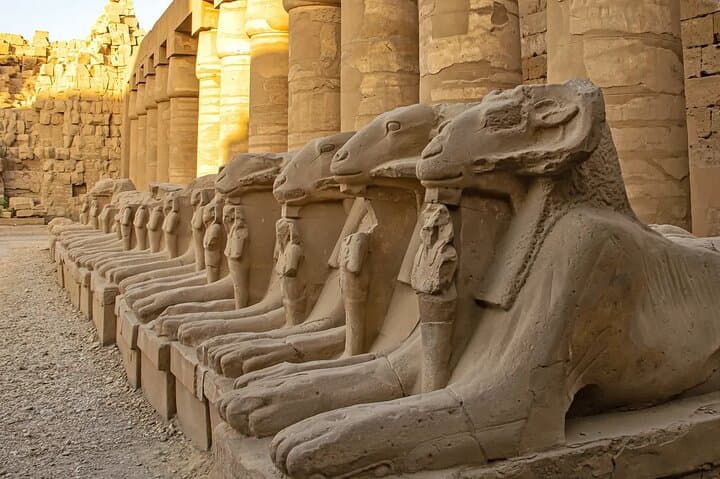
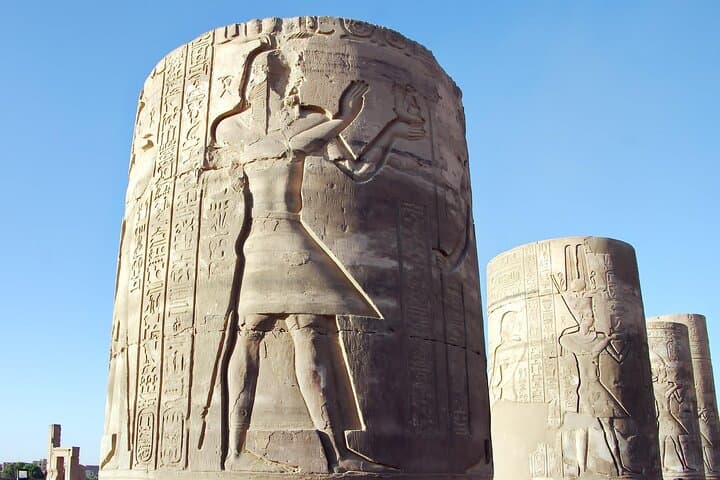
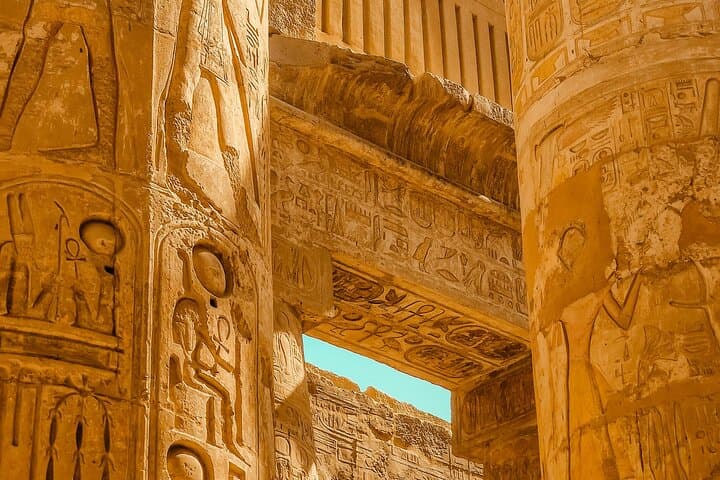
At Karnak the Hypostyle Hall imposes with its forest of columns — stone pillars taller than most trees — while the Sacred Lake sits like a patient mirror. The avenue of ram-headed sphinxes still leads your steps toward ancient ceremonial processions. Later, after a hotel lunch beside the river, Luxor Temple introduces a different face of the city: obelisks, colossal seated pharaohs and reliefs that mark the shift from New Kingdom splendor to Roman-era additions.
Geologically, you travel from the Red Sea coastal plain across sedimentary desert into the alluvial soil of the Nile, a corridor that has supported settlement since Pharaonic times. Culturally, this is the land of Thebes — a concentrated cluster of temples, mortuary complexes and modern town life.
Practical guidance: expect a long day (roughly 11–12 hours) with several hours in transit and multiple short walks on uneven stone and sand. Wear stiff-soled walking shoes, carry sun protection and a refillable water bottle, and budget time for security checks and ticket lines. Photography is allowed in many areas but respect signs and barriers; follow your guide for the fastest routing between sites. If you want quieter views, ask to arrive at Karnak early in the allotted visit window. The trip is straightforward but rewarding — an intense, manageable immersion in ancient Egypt’s monumental east bank.
Expect roughly 3–4 hours each way by air-conditioned vehicle depending on traffic and exact pickup point; the full tour runs about 11–12 hours.
Admissions are typically included for the sites listed on the itinerary; confirm with your provider for specifics prior to travel.
Yes — the tour is marked suitable for all fitness levels but involves long travel and some walking on uneven surfaces; request infant seats if needed.
Yes, but time at each site is structured; your guide will prioritize highlights and can advise on moments to linger for photos within the allocated visit time.
NORTH AFRICAN SHIPPING AND TOURISM COMPANY (NASCO TOURS) operates guided outdoor trips and adventures with an emphasis on safety, stewardship, and memorable experiences.

The bus leaves Soma Bay Marina before dawn and the desert stretches out like a slow-moving film: low scrub, salt flats, and the occasional red-roofed village giving way to the broad sweep of the Nile valley as you approach Luxor.
The bus leaves Soma Bay Marina before dawn and the desert stretches out like a slow-moving film: low scrub, salt flats, and the occasional red-roofed village giving way to the broad sweep of the Nile valley as you approach Luxor.
At Karnak the Hypostyle Hall imposes with its forest of columns — stone pillars taller than most trees — while the Sacred Lake sits like a patient mirror. The avenue of ram-headed sphinxes still leads your steps toward ancient ceremonial processions. Later, after a hotel lunch beside the river, Luxor Temple introduces a different face of the city: obelisks, colossal seated pharaohs and reliefs that mark the shift from New Kingdom splendor to Roman-era additions.
Geologically, you travel from the Red Sea coastal plain across sedimentary desert into the alluvial soil of the Nile, a corridor that has supported settlement since Pharaonic times. Culturally, this is the land of Thebes — a concentrated cluster of temples, mortuary complexes and modern town life.
Practical guidance: expect a long day (roughly 11–12 hours) with several hours in transit and multiple short walks on uneven stone and sand. Wear stiff-soled walking shoes, carry sun protection and a refillable water bottle, and budget time for security checks and ticket lines. Photography is allowed in many areas but respect signs and barriers; follow your guide for the fastest routing between sites. If you want quieter views, ask to arrive at Karnak early in the allotted visit window. The trip is straightforward but rewarding — an intense, manageable immersion in ancient Egypt’s monumental east bank.