THE ADVENTURE COLLECTIVE® · Independent discovery and booking for outdoor travel

Spend a full day exploring Luxor’s greatest sites: Valley of the Kings, Hatshepsut’s temple, Medinet Habu, the Colossi of Memnon, a felucca sail and the Karnak Sound & Light show. This private tour blends archaeology, a riverside lunch and an evening performance for a complete Theban experience.
Spend a full day exploring Luxor’s greatest sites: Valley of the Kings, Hatshepsut’s temple, Medinet Habu, the Colossi of Memnon, a felucca sail and the Karnak Sound & Light show. This private tour blends archaeology, a riverside lunch and an evening performance for a complete Theban experience.
Dawn arrives in Luxor as pale light slips across the Nile and the city exhales into a day of travel and ancient stone. Your private transfer pulls away from a quiet hotel; the desert wind and the river’s shallow current set the tempo—hot, deliberate, and patient. You cross to the West Bank and enter a landscape where tombs and mortuary temples still hold the shape of kings.
Verified experiences and guided adventures in the surrounding area.
Operated by Egypt Best Day Tours · Luxor, Luxor Governorate
Dawn arrives in Luxor as pale light slips across the Nile and the city exhales into a day of travel and ancient stone. Your private transfer pulls away from a quiet hotel; the desert wind and the river’s shallow current set the tempo—hot, deliberate, and patient. You cross to the West Bank and enter a landscape where tombs and mortuary temples still hold the shape of kings.
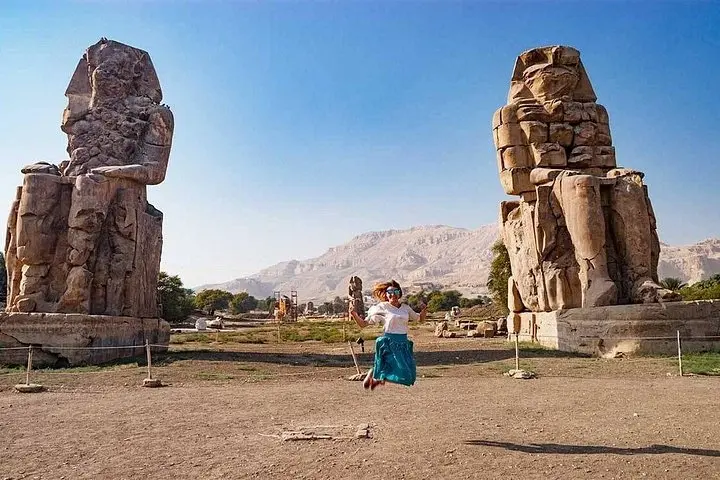
Walk through the Valley of the Kings, pass the blanketed mouths of royal tombs and imagine the labor that carved shafts into limestone. At Hatshepsut’s mortuary temple the terraces climb like folded stone, while Medinet Habu’s reliefs announce Ramses III’s victories in a language of chisels. The Colossi of Memnon mark the plain; later, the Valley of the Nobles rewards patient walkers with quieter, vividly painted burial chapels.
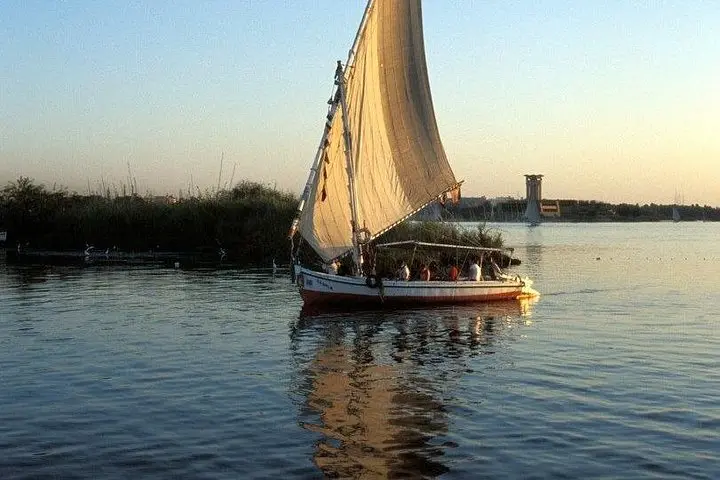
Geology here is blunt—limestone, sandstone and Nile silt—while Thebes’ legacy is ever-present: pharaohs, priests and river trade that shaped Egypt’s wealth. Culture arrives at midday in a local restaurant where simple mezze and grilled fish give a sense of contemporary life beside ancient ruins. In the late afternoon the Nile tugs at a felucca’s sail; its breeze cools the heat and loosens the day’s dust.
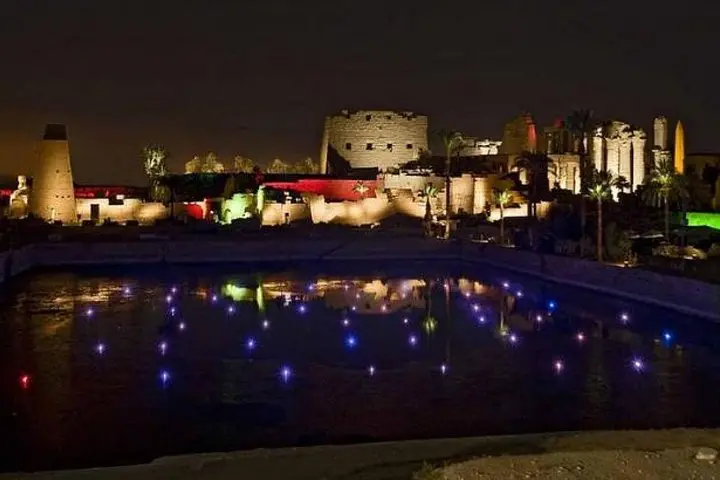
Practical notes: start early to avoid the midday sun, bring cash for entry tickets that are sometimes separate, and dress modestly with sturdy shoes for uneven ground. Photography rules and fragile pigments mean no flash in tombs; follow your Egyptologist guide’s lead. End the day at Karnak for the Sound and Light show around dusk, when ruins become a narrated panorama of Thebes and the long, patient river that shaped it.
Many archaeological sites require separate entry tickets that may not be included; confirm with your operator and bring cash or card for on-site admissions.
Dress modestly—shoulders and knees covered for temple visits—and wear breathable layers and closed-toe shoes for walking; bring a hat for sun protection on the felucca.
Yes; feluccas operate on calm stretches of the Nile near Luxor with experienced crews, but the ride is open-air and not suited to those requiring special mobility accommodations.
The Karnak Sound and Light show typically begins after dusk (around 6–7 PM depending on season) and runs for roughly an hour—your itinerary usually returns you to the hotel afterward.
Egypt Best Day Tours operates guided outdoor trips and adventures with an emphasis on safety, stewardship, and memorable experiences.
Dawn arrives in Luxor as pale light slips across the Nile and the city exhales into a day of travel and ancient stone. Your private transfer pulls away from a quiet hotel; the desert wind and the river’s shallow current set the tempo—hot, deliberate, and patient. You cross to the West Bank and enter a landscape where tombs and mortuary temples still hold the shape of kings.
Dawn arrives in Luxor as pale light slips across the Nile and the city exhales into a day of travel and ancient stone. Your private transfer pulls away from a quiet hotel; the desert wind and the river’s shallow current set the tempo—hot, deliberate, and patient. You cross to the West Bank and enter a landscape where tombs and mortuary temples still hold the shape of kings.
Walk through the Valley of the Kings, pass the blanketed mouths of royal tombs and imagine the labor that carved shafts into limestone. At Hatshepsut’s mortuary temple the terraces climb like folded stone, while Medinet Habu’s reliefs announce Ramses III’s victories in a language of chisels. The Colossi of Memnon mark the plain; later, the Valley of the Nobles rewards patient walkers with quieter, vividly painted burial chapels.
Geology here is blunt—limestone, sandstone and Nile silt—while Thebes’ legacy is ever-present: pharaohs, priests and river trade that shaped Egypt’s wealth. Culture arrives at midday in a local restaurant where simple mezze and grilled fish give a sense of contemporary life beside ancient ruins. In the late afternoon the Nile tugs at a felucca’s sail; its breeze cools the heat and loosens the day’s dust.
Practical notes: start early to avoid the midday sun, bring cash for entry tickets that are sometimes separate, and dress modestly with sturdy shoes for uneven ground. Photography rules and fragile pigments mean no flash in tombs; follow your Egyptologist guide’s lead. End the day at Karnak for the Sound and Light show around dusk, when ruins become a narrated panorama of Thebes and the long, patient river that shaped it.