THE ADVENTURE COLLECTIVE® · Independent discovery and booking for outdoor travel

Float over Luxor at sunrise, then spend a full day on the west and east banks visiting the Valley of the Kings, Hatshepsut’s mortuary temple, the Colossi of Memnon and the Karnak and Luxor temples. This private tour pairs aerial perspective with ground-level archaeology.
Float over Luxor at sunrise, then spend a full day on the west and east banks visiting the Valley of the Kings, Hatshepsut’s mortuary temple, the Colossi of Memnon and the Karnak and Luxor temples. This private tour pairs aerial perspective with ground-level archaeology.
Before dawn the desert exhales cool air and the Nile’s riverbank glows a slate blue; balloons inflate like slow-breathing giants while motorboats cut across the Nile, ferrying passengers to the west bank. Floating at roughly 100 feet, the balloon gives a rare, quiet angle on Luxor’s monuments — the Mortuary Temple of Hatshepsut, the Valley of the Kings and the Colossi of Memnon all reduce to a familiar, deliberate geometry below.
Verified experiences and guided adventures in the surrounding area.
Operated by Bastet Travel · Luxor, Luxor Governorate
Before dawn the desert exhales cool air and the Nile’s riverbank glows a slate blue; balloons inflate like slow-breathing giants while motorboats cut across the Nile, ferrying passengers to the west bank. Floating at roughly 100 feet, the balloon gives a rare, quiet angle on Luxor’s monuments — the Mortuary Temple of Hatshepsut, the Valley of the Kings and the Colossi of Memnon all reduce to a familiar, deliberate geometry below.
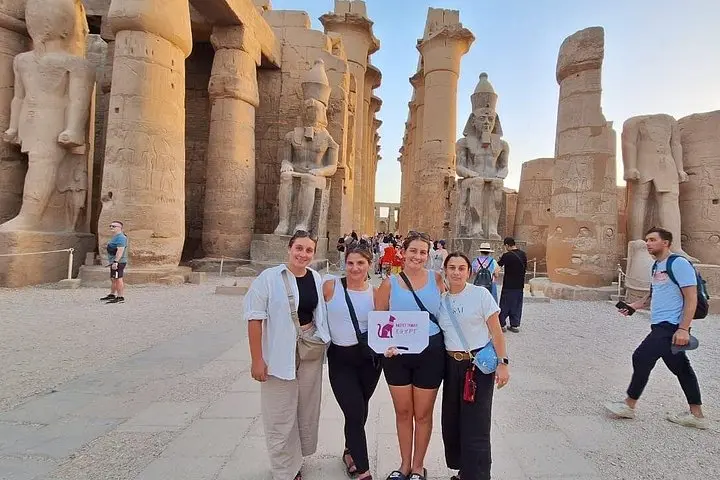
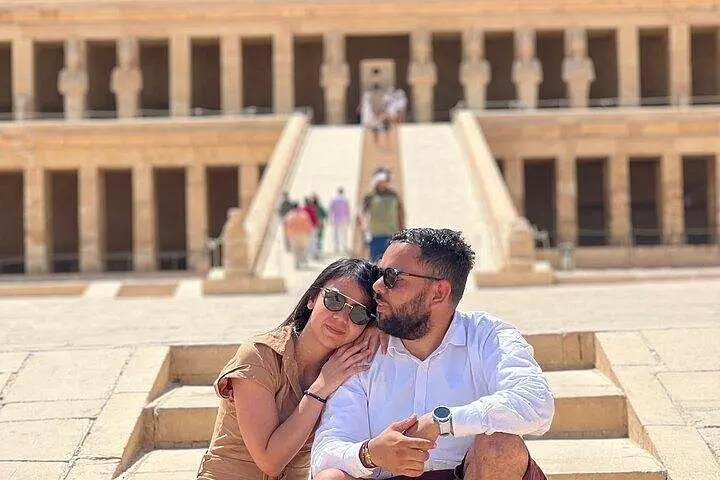
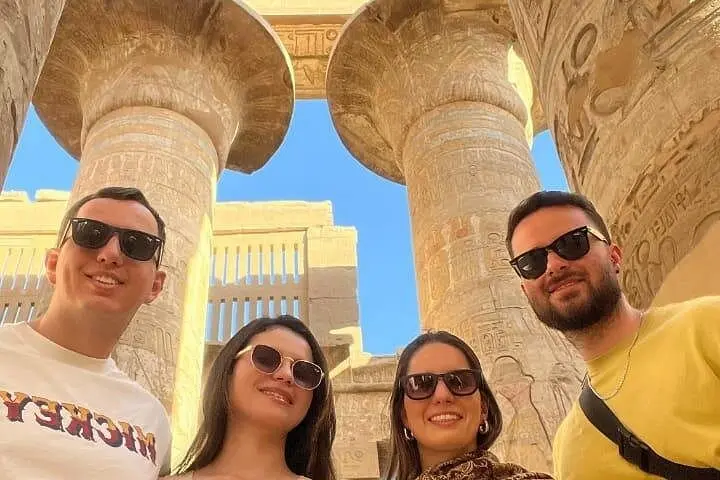
This corridor of the ancient Theban necropolis dates to the New Kingdom; tombs carved into limestone cliffs and temple pylons hewn from quarried sandstone tell a story of state religion, monumental labor and Nile-driven wealth. Karnak’s layered construction and Luxor Temple’s processional avenues reveal changing dynasties and ritual practice, while Deir el-Bahari’s terraces speak to Hatshepsut’s unique rule.
Expect a full day of short walks on uneven stone, sandy paths and temple steps — the visit to the Valley of the Kings typically includes access to three tombs. Temperatures climb quickly after sunrise, so the rhythm of the day goes from cool airborne silence to sunlit archaeology and then to shaded colonnades.
Practical: the tour runs about 8–9 hours with private, air-conditioned transfers, bottled water and lunch included. Wear sturdy, closed-toe shoes, sun protection and carry small local currency for gratuities and optional site fees. If weather grounds the balloon, partial refunds may apply; check the operator’s policy and plan hotel pickup or airport drop-off accordingly.
The balloon segment is about 45 minutes and launches before sunrise; timing depends on weather conditions.
If weather grounds the flight, operators typically offer a partial refund for the balloon portion and continue the ground itinerary; confirm the exact refund amount and policy when booking.
Children under 6 are usually not permitted on the balloon; policies vary so check the operator’s age and safety rules at booking.
Entry fees for the listed sites are included in this tour (Valley of the Kings access typically covers three tombs); specialized or additional tomb tickets may cost extra on site.
Bastet Travel operates guided outdoor trips and adventures with an emphasis on safety, stewardship, and memorable experiences.

Before dawn the desert exhales cool air and the Nile’s riverbank glows a slate blue; balloons inflate like slow-breathing giants while motorboats cut across the Nile, ferrying passengers to the west bank. Floating at roughly 100 feet, the balloon gives a rare, quiet angle on Luxor’s monuments — the Mortuary Temple of Hatshepsut, the Valley of the Kings and the Colossi of Memnon all reduce to a familiar, deliberate geometry below.
Before dawn the desert exhales cool air and the Nile’s riverbank glows a slate blue; balloons inflate like slow-breathing giants while motorboats cut across the Nile, ferrying passengers to the west bank. Floating at roughly 100 feet, the balloon gives a rare, quiet angle on Luxor’s monuments — the Mortuary Temple of Hatshepsut, the Valley of the Kings and the Colossi of Memnon all reduce to a familiar, deliberate geometry below.
This corridor of the ancient Theban necropolis dates to the New Kingdom; tombs carved into limestone cliffs and temple pylons hewn from quarried sandstone tell a story of state religion, monumental labor and Nile-driven wealth. Karnak’s layered construction and Luxor Temple’s processional avenues reveal changing dynasties and ritual practice, while Deir el-Bahari’s terraces speak to Hatshepsut’s unique rule.
Expect a full day of short walks on uneven stone, sandy paths and temple steps — the visit to the Valley of the Kings typically includes access to three tombs. Temperatures climb quickly after sunrise, so the rhythm of the day goes from cool airborne silence to sunlit archaeology and then to shaded colonnades.
Practical: the tour runs about 8–9 hours with private, air-conditioned transfers, bottled water and lunch included. Wear sturdy, closed-toe shoes, sun protection and carry small local currency for gratuities and optional site fees. If weather grounds the balloon, partial refunds may apply; check the operator’s policy and plan hotel pickup or airport drop-off accordingly.