THE ADVENTURE COLLECTIVE® · Independent discovery and booking for outdoor travel

Fly to Luxor for a focused day among pharaohs: Valley of the Kings, Hatshepsut’s cliff temple, Karnak, a felucca sail and a camel ride — all returned to Cairo the same evening. Discover what to expect, how to prepare, and the local details that make the day run smoothly.
Fly to Luxor for a focused day among pharaohs: Valley of the Kings, Hatshepsut’s cliff temple, Karnak, a felucca sail and a camel ride — all returned to Cairo the same evening. Discover what to expect, how to prepare, and the local details that make the day run smoothly.
You lift off from Cairo before dawn and watch the Nile shrink beneath you; by midmorning the river widens again and Luxor lays out in ochre bands, palms and the slow sweep of the Nile. On arrival a private Egyptology guide meets you and the day moves with purpose: tomb chambers hidden in limestone cliffs, a terraced mortuary temple carved into the rock, and the colonnaded corridors of Karnak that push the light into columns.
Verified experiences and guided adventures in the surrounding area.
Operated by Nile Prince Travel · Luxor, Luxor Governorate
You lift off from Cairo before dawn and watch the Nile shrink beneath you; by midmorning the river widens again and Luxor lays out in ochre bands, palms and the slow sweep of the Nile. On arrival a private Egyptology guide meets you and the day moves with purpose: tomb chambers hidden in limestone cliffs, a terraced mortuary temple carved into the rock, and the colonnaded corridors of Karnak that push the light into columns.
This corridor of monuments marks ancient Thebes — the New Kingdom capital whose pharaohs built monumental tombs in the west bank’s limestone of Gurna and ritual complexes along the east bank. Geology matters here: the soft limestone preserved painted reliefs but also funnels sand, so many tombs were concealed by shifted dunes until rediscovery.
Culture remains immediate. Sail a traditional felucca at the pace of the Nile, sip fresh sugarcane juice at a riverside stall, and feel the camel’s slow step on desert edges where nomadic routes met river trade.
Practical guidance: expect a very early pickup (around 4:00 a.m.), several hours on foot across uneven ground and stairs, and time outdoors in strong sun. Confirm which temple and tomb entrance fees are included, and bring small bills for local guides and boat crews. Comfortable walking shoes, sun protection and a refillable water bottle make a long, arid day far more enjoyable. The itinerary returns you to Cairo by evening flight, leaving little room for delay but a full day of Egypt’s greatest antiquities.
The domestic flight is roughly 1 hour; add airport transfer and processing time — plan for several hours door-to-door.
Confirm with the operator; some package tours include major entrances while optional tombs (like King Tut’s tomb) may require additional fees on site.
The tour lists wheelchair-accessible transport, but many tombs and temple areas have steps and uneven surfaces that limit access — discuss specifics with the operator before booking.
October through April offers milder temperatures and more comfortable touring conditions compared with the intense summer heat.
Nile Prince Travel operates guided outdoor trips and adventures with an emphasis on safety, stewardship, and memorable experiences.
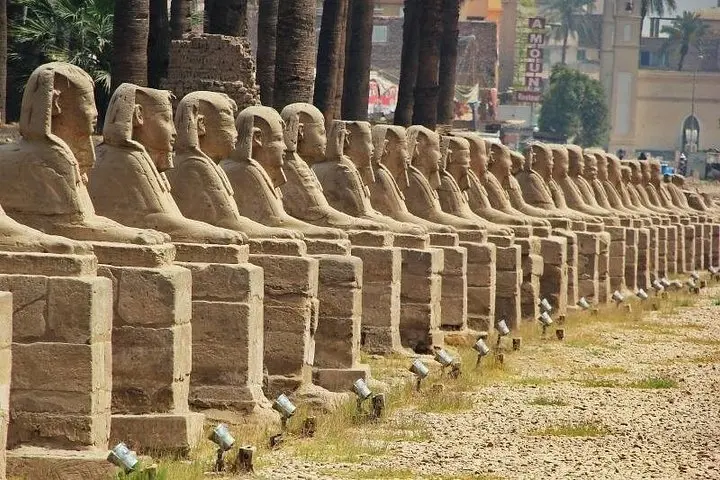
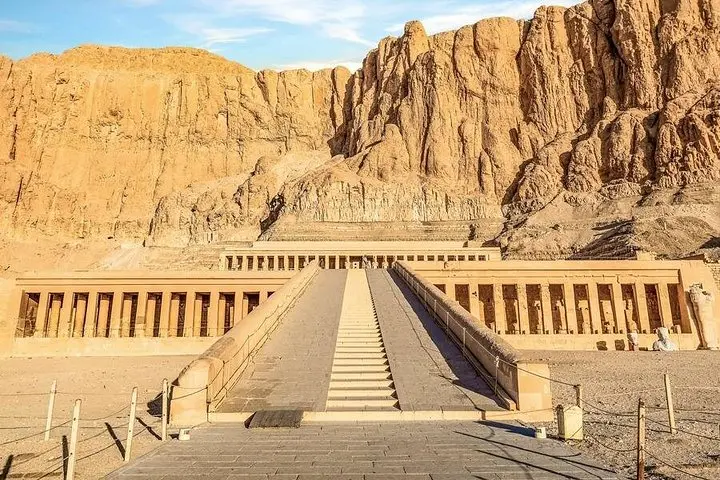
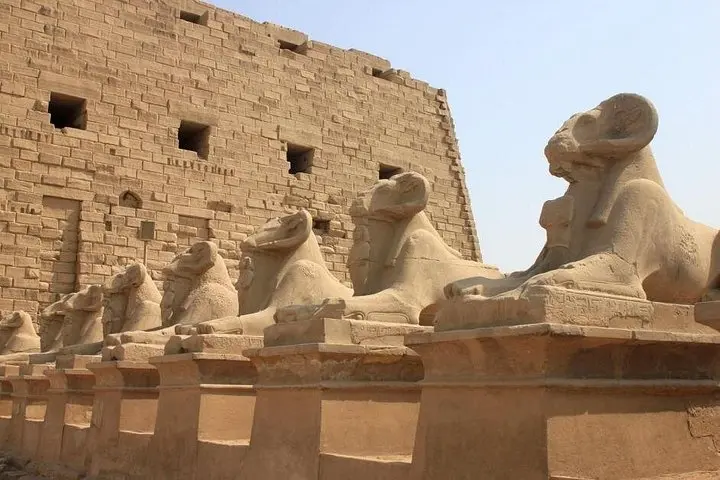
You lift off from Cairo before dawn and watch the Nile shrink beneath you; by midmorning the river widens again and Luxor lays out in ochre bands, palms and the slow sweep of the Nile. On arrival a private Egyptology guide meets you and the day moves with purpose: tomb chambers hidden in limestone cliffs, a terraced mortuary temple carved into the rock, and the colonnaded corridors of Karnak that push the light into columns.
You lift off from Cairo before dawn and watch the Nile shrink beneath you; by midmorning the river widens again and Luxor lays out in ochre bands, palms and the slow sweep of the Nile. On arrival a private Egyptology guide meets you and the day moves with purpose: tomb chambers hidden in limestone cliffs, a terraced mortuary temple carved into the rock, and the colonnaded corridors of Karnak that push the light into columns.
This corridor of monuments marks ancient Thebes — the New Kingdom capital whose pharaohs built monumental tombs in the west bank’s limestone of Gurna and ritual complexes along the east bank. Geology matters here: the soft limestone preserved painted reliefs but also funnels sand, so many tombs were concealed by shifted dunes until rediscovery.
Culture remains immediate. Sail a traditional felucca at the pace of the Nile, sip fresh sugarcane juice at a riverside stall, and feel the camel’s slow step on desert edges where nomadic routes met river trade.
Practical guidance: expect a very early pickup (around 4:00 a.m.), several hours on foot across uneven ground and stairs, and time outdoors in strong sun. Confirm which temple and tomb entrance fees are included, and bring small bills for local guides and boat crews. Comfortable walking shoes, sun protection and a refillable water bottle make a long, arid day far more enjoyable. The itinerary returns you to Cairo by evening flight, leaving little room for delay but a full day of Egypt’s greatest antiquities.