THE ADVENTURE COLLECTIVE® · Independent discovery and booking for outdoor travel

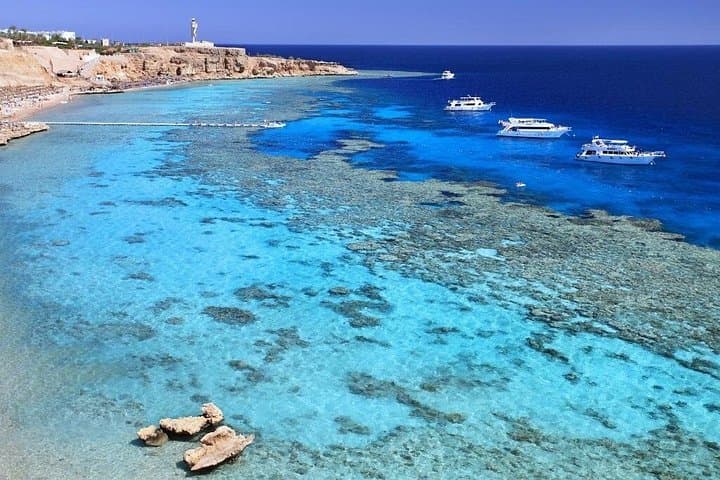
Take a fast domestic flight from Sharm el-Sheikh for a focused day exploring Luxor’s Karnak, Valley of the Kings and Hatshepsut’s temple. This guided itinerary compresses Thebes’ big-ticket sites into a single long, walk-heavy day—ideal for travelers short on time.
Take a fast domestic flight from Sharm el-Sheikh for a focused day exploring Luxor’s Karnak, Valley of the Kings and Hatshepsut’s temple. This guided itinerary compresses Thebes’ big-ticket sites into a single long, walk-heavy day—ideal for travelers short on time.
You step off a short domestic flight into a sun-baked airfield and the Nile’s broad ribbon seems to pull the city together, demanding that you follow its course. The day opens with the layered columns of Karnak, where stone pylons and the holy lake mark millennia of ritual and civic power. Walkways lead from the eastern bank across the river to the west, where the Valley of the Kings cuts into the desert like an archive of carved memory.
Verified experiences and guided adventures in the surrounding area.
Operated by Wow Travel Egypt · Luxor, Luxor Governorate
You step off a short domestic flight into a sun-baked airfield and the Nile’s broad ribbon seems to pull the city together, demanding that you follow its course. The day opens with the layered columns of Karnak, where stone pylons and the holy lake mark millennia of ritual and civic power. Walkways lead from the eastern bank across the river to the west, where the Valley of the Kings cuts into the desert like an archive of carved memory.
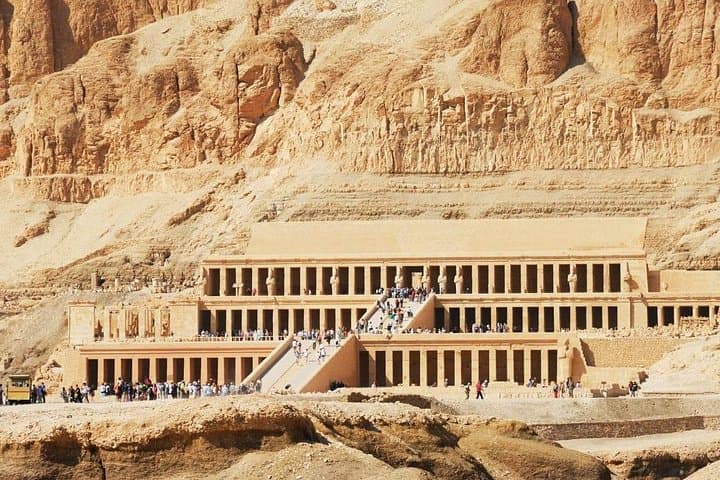
Luxor is a living crossroads of geology and history: the Nile’s annual overflow built the fertile strip that sustained pharaonic cities, while nearby limestone cliffs provided tomb-cutting rock and dramatic backdrops. On the west bank, the mortuary temple of Hatshepsut rises from terraces hewn into pale bedrock; the Colossi of Memnon stand as weathered gatekeepers to Thebes West.
Culturally, today’s Luxor mixes active worship, local markets, and tourism infrastructure—expect guide-led pacing, entry fees for major sites, and lunch breaks in simple local restaurants.
Practical guidance: plan for long walking days on uneven stone floors and short desert climbs inside tomb entries; bring sun protection and a refillable water bottle. Domestic flights save transit time but require early check-in and basic baggage limits; confirm pickup and drop-off details with your operator. Accessibility can vary—ask about mobility accommodations when booking.
By day’s end you return to Sharm el-Sheikh carrying a concentrated dose of Egypt’s ancient capital: monumental stonework, layered history, and a sense of scale that only a day trip can compress and deliver.
Yes, the itinerary includes round-trip domestic flights between Sharm el-Sheikh and Luxor as part of the package.
Expect several hours of walking across temple complexes and inside tombs with uneven surfaces and steps—moderate mobility is required.
Admissions to the listed attractions and a lunch are included; extras such as optional tombs or souvenirs are not covered.
Some areas in Luxor have limited accessibility; the operator lists wheelchair-accessible transport and some accessible surfaces, but individual sites often have steps—ask the operator about specifics before booking.
Wow Travel Egypt operates guided outdoor trips and adventures with an emphasis on safety, stewardship, and memorable experiences.
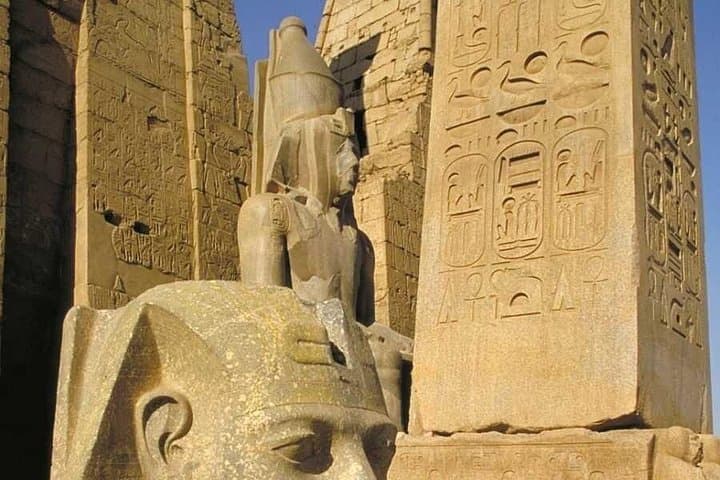
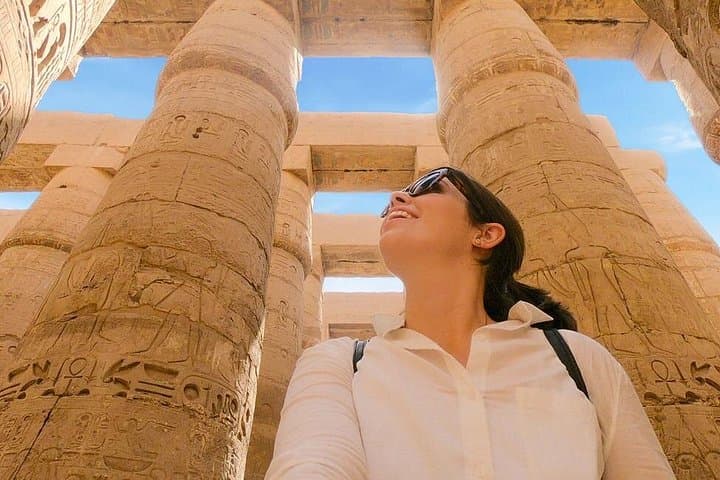
You step off a short domestic flight into a sun-baked airfield and the Nile’s broad ribbon seems to pull the city together, demanding that you follow its course. The day opens with the layered columns of Karnak, where stone pylons and the holy lake mark millennia of ritual and civic power. Walkways lead from the eastern bank across the river to the west, where the Valley of the Kings cuts into the desert like an archive of carved memory.
You step off a short domestic flight into a sun-baked airfield and the Nile’s broad ribbon seems to pull the city together, demanding that you follow its course. The day opens with the layered columns of Karnak, where stone pylons and the holy lake mark millennia of ritual and civic power. Walkways lead from the eastern bank across the river to the west, where the Valley of the Kings cuts into the desert like an archive of carved memory.
Luxor is a living crossroads of geology and history: the Nile’s annual overflow built the fertile strip that sustained pharaonic cities, while nearby limestone cliffs provided tomb-cutting rock and dramatic backdrops. On the west bank, the mortuary temple of Hatshepsut rises from terraces hewn into pale bedrock; the Colossi of Memnon stand as weathered gatekeepers to Thebes West.
Culturally, today’s Luxor mixes active worship, local markets, and tourism infrastructure—expect guide-led pacing, entry fees for major sites, and lunch breaks in simple local restaurants.
Practical guidance: plan for long walking days on uneven stone floors and short desert climbs inside tomb entries; bring sun protection and a refillable water bottle. Domestic flights save transit time but require early check-in and basic baggage limits; confirm pickup and drop-off details with your operator. Accessibility can vary—ask about mobility accommodations when booking.
By day’s end you return to Sharm el-Sheikh carrying a concentrated dose of Egypt’s ancient capital: monumental stonework, layered history, and a sense of scale that only a day trip can compress and deliver.