THE ADVENTURE COLLECTIVE® · Independent discovery and booking for outdoor travel

Short on time but eager to see Luxor’s major monuments? This private day tour flies you round-trip from Cairo, combining the Valley of the Kings, Hatshepsut and Karnak with a felucca sail and a short camel ride—packed, practical, and guided by an Egyptologist.
Short on time but eager to see Luxor’s major monuments? This private day tour flies you round-trip from Cairo, combining the Valley of the Kings, Hatshepsut and Karnak with a felucca sail and a short camel ride—packed, practical, and guided by an Egyptologist.
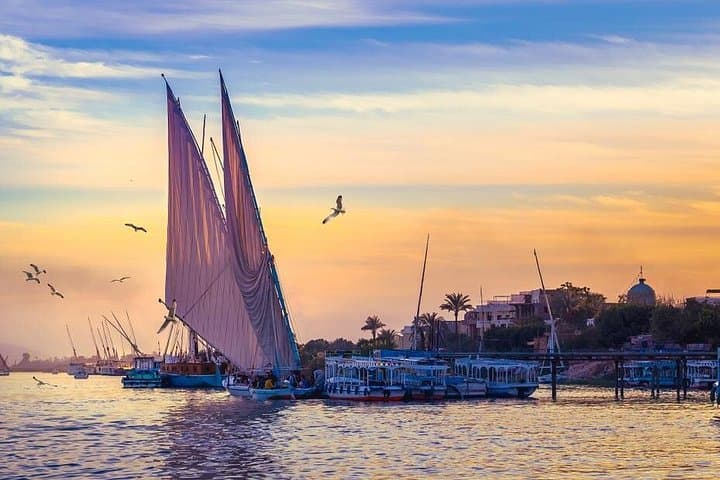
You step off a short domestic flight and into a strip of sunlight that hits the cliffs of the West Bank first—stone that has kept its stories for three millennia. The day moves fast: tomb chambers carved into limestone, terraces cut into cliffs, and a slow felucca drifting on a Nile that dares you to slow down.
Verified experiences and guided adventures in the surrounding area.
Operated by Mody Egypt Tours · Luxor, Luxor Governorate
You step off a short domestic flight and into a strip of sunlight that hits the cliffs of the West Bank first—stone that has kept its stories for three millennia. The day moves fast: tomb chambers carved into limestone, terraces cut into cliffs, and a slow felucca drifting on a Nile that dares you to slow down.
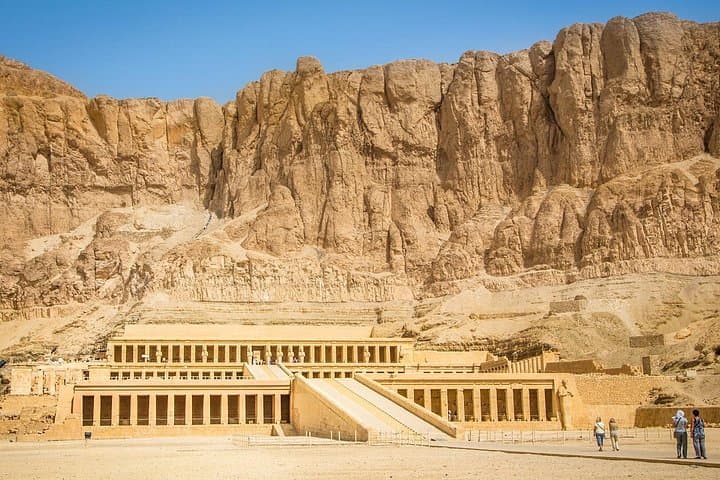
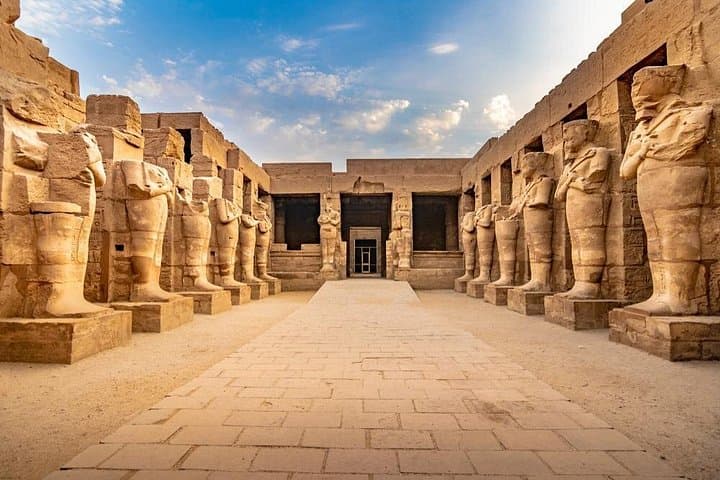
Luxor was once ancient Thebes, the political and ritual heart of Egypt’s New Kingdom. The Valley of the Kings eats daylight and returns cool, torchlit tombs carved under Gurna’s twin ridges; Hatshepsut’s mortuary temple rises in terraces, an architectural challenge to the desert’s flatness; Karnak spreads like a deliberate maze of columns and sanctuaries. Culture here is tactile—sugarcane juice stalls, felucca sailors whose hands read the river, and camel palms that carry people and stories between reed-lined islets.
Expect hard stone underfoot, steep steps into tombs, and long stretches of open sun between sites. Your private Egyptology guide will translate hieroglyphs into context, but bring stamina for a 12–14 hour day that blends quick flights, walking tours, a traditional sailing leg, and a short camel ride on an island community.
Practical edge: hydrate early and often, wear supportive shoes with good grip for tomb steps and temple pavements, and layer for cool mornings and hot afternoons. Carry photocopies of your passport for domestic flights, and confirm whether specific site entrance fees are included. Move deliberately through the sites—respect ropes and signs to protect fragile reliefs—and leave time to let the Nile slow you down on the return leg.
Confirm with your booking: this itinerary includes flights, guide, transfers, felucca and camel ride, but site entrance fees or special-tomb surcharges may be listed separately—check the confirmation.
Yes; infants must sit on an adult’s lap during travel as stated by the operator. Consider the long day and walking involved when bringing young children.
Most historical sites in Luxor have uneven stone pavements and steps; many areas and tomb interiors are not wheelchair accessible—contact the operator if you require assistance planning around mobility limits.
Conservative, breathable clothing that covers shoulders and knees is recommended at religious and historic sites; comfortable layers work for cool mornings and hot afternoons.
Mody Egypt Tours operates guided outdoor trips and adventures with an emphasis on safety, stewardship, and memorable experiences.
You step off a short domestic flight and into a strip of sunlight that hits the cliffs of the West Bank first—stone that has kept its stories for three millennia. The day moves fast: tomb chambers carved into limestone, terraces cut into cliffs, and a slow felucca drifting on a Nile that dares you to slow down.
You step off a short domestic flight and into a strip of sunlight that hits the cliffs of the West Bank first—stone that has kept its stories for three millennia. The day moves fast: tomb chambers carved into limestone, terraces cut into cliffs, and a slow felucca drifting on a Nile that dares you to slow down.
Luxor was once ancient Thebes, the political and ritual heart of Egypt’s New Kingdom. The Valley of the Kings eats daylight and returns cool, torchlit tombs carved under Gurna’s twin ridges; Hatshepsut’s mortuary temple rises in terraces, an architectural challenge to the desert’s flatness; Karnak spreads like a deliberate maze of columns and sanctuaries. Culture here is tactile—sugarcane juice stalls, felucca sailors whose hands read the river, and camel palms that carry people and stories between reed-lined islets.
Expect hard stone underfoot, steep steps into tombs, and long stretches of open sun between sites. Your private Egyptology guide will translate hieroglyphs into context, but bring stamina for a 12–14 hour day that blends quick flights, walking tours, a traditional sailing leg, and a short camel ride on an island community.
Practical edge: hydrate early and often, wear supportive shoes with good grip for tomb steps and temple pavements, and layer for cool mornings and hot afternoons. Carry photocopies of your passport for domestic flights, and confirm whether specific site entrance fees are included. Move deliberately through the sites—respect ropes and signs to protect fragile reliefs—and leave time to let the Nile slow you down on the return leg.