THE ADVENTURE COLLECTIVE® · Independent discovery and booking for outdoor travel

Fly from Cairo to Luxor for a packed day of pharaonic tombs, Hatshepsut’s temple, Karnak’s hypostyle halls and a traditional felucca sail on the Nile. This private trip blends concentrated history with practical logistics for a stress-free day away from Cairo.
Fly from Cairo to Luxor for a packed day of pharaonic tombs, Hatshepsut’s temple, Karnak’s hypostyle halls and a traditional felucca sail on the Nile. This private trip blends concentrated history with practical logistics for a stress-free day away from Cairo.
You step off the plane and the air feels different — drier, warm against skin, the Nile’s ribbon visible as a glint between low islands. A private Egyptologist waits; within an hour you’re at the foot of limestone cliffs where tomb entrances cut into the rock seem to stare back like deliberate doors to another time.
Verified experiences and guided adventures in the surrounding area.
Operated by Egypt wondrful tours · Luxor, Luxor Governorate
You step off the plane and the air feels different — drier, warm against skin, the Nile’s ribbon visible as a glint between low islands. A private Egyptologist waits; within an hour you’re at the foot of limestone cliffs where tomb entrances cut into the rock seem to stare back like deliberate doors to another time.
The Valley of the Kings, Hatshepsut’s funerary temple and the vast colonnades of Karnak are not just monuments but chapters of millennia: pharaonic burial rites carved into soft limestone, obelisks quarried from Aswan granite, and reliefs that record politics, religion and riverine life. The Nile itself shapes the experience — its seasonal floods deposited the silt that made agriculture and civilization possible here, and today feluccas still tack along its current, playful and patient.
Cultural notes matter: temple etiquette, the legacy of Howard Carter’s discovery of Tutankhamun, and the living communities on the river islands that farm and ferry keep the past present. You’ll also encounter camel handlers and small local markets near sites.
Practical guidance: this is a long, full-day itinerary (8–10 hours) with uneven stone steps, tight tomb passages and long outdoor walks under strong sun. Wear stiff-soled shoes, a hat, and light layers; carry water and a photocopy of your passport for entry tickets. Expect guided commentary, short boat segments on a felucca, a chance to swim from a calm riverbank, and round-trip flights timed to maximize daylight hours. Time management is tight — plan minimal luggage, bring cash for tips and entry extras, and confirm flight timing the night before.
Flight time is about 1 hour each way; the itinerary schedules airport transfers and local driving so expect a full 8–10 hour day.
Typical packages may include some admissions, but verify which tombs (like Tutankhamun) require separate tickets and budget extra cash if needed.
The tour is family-friendly but involves stairs and narrow tomb passages; if mobility is limited contact the operator to confirm accessible options and pickup logistics.
Yes, the itinerary often includes a supervised swim from a calm riverbank or shallow island area; bring swimwear and a quick-dry towel.
Egypt wondrful tours operates guided outdoor trips and adventures with an emphasis on safety, stewardship, and memorable experiences.
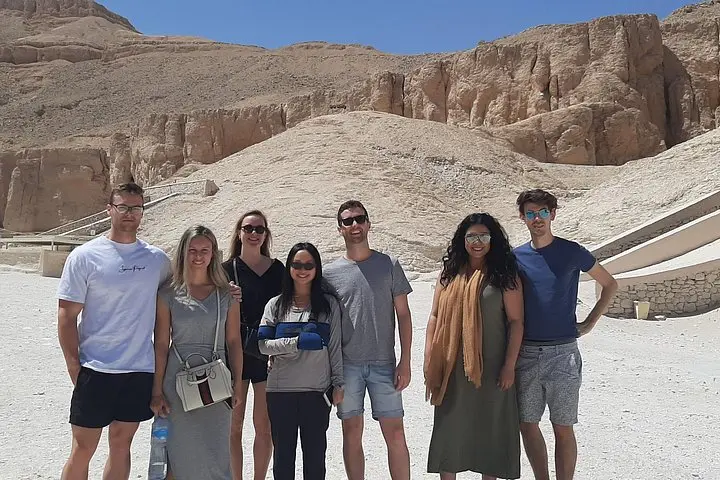

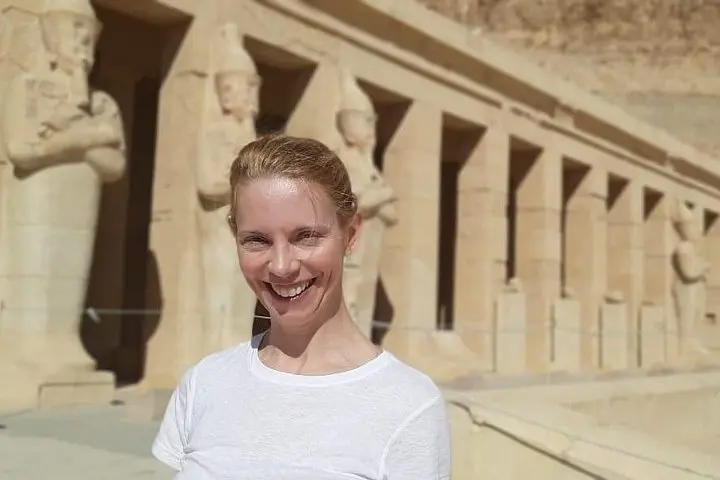
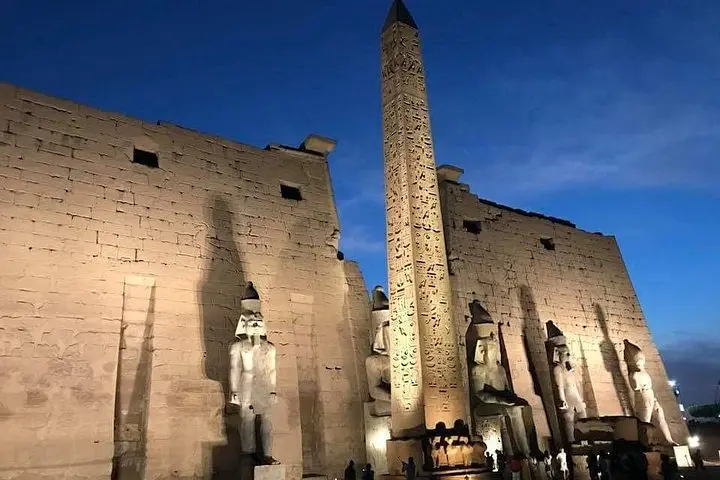
You step off the plane and the air feels different — drier, warm against skin, the Nile’s ribbon visible as a glint between low islands. A private Egyptologist waits; within an hour you’re at the foot of limestone cliffs where tomb entrances cut into the rock seem to stare back like deliberate doors to another time.
You step off the plane and the air feels different — drier, warm against skin, the Nile’s ribbon visible as a glint between low islands. A private Egyptologist waits; within an hour you’re at the foot of limestone cliffs where tomb entrances cut into the rock seem to stare back like deliberate doors to another time.
The Valley of the Kings, Hatshepsut’s funerary temple and the vast colonnades of Karnak are not just monuments but chapters of millennia: pharaonic burial rites carved into soft limestone, obelisks quarried from Aswan granite, and reliefs that record politics, religion and riverine life. The Nile itself shapes the experience — its seasonal floods deposited the silt that made agriculture and civilization possible here, and today feluccas still tack along its current, playful and patient.
Cultural notes matter: temple etiquette, the legacy of Howard Carter’s discovery of Tutankhamun, and the living communities on the river islands that farm and ferry keep the past present. You’ll also encounter camel handlers and small local markets near sites.
Practical guidance: this is a long, full-day itinerary (8–10 hours) with uneven stone steps, tight tomb passages and long outdoor walks under strong sun. Wear stiff-soled shoes, a hat, and light layers; carry water and a photocopy of your passport for entry tickets. Expect guided commentary, short boat segments on a felucca, a chance to swim from a calm riverbank, and round-trip flights timed to maximize daylight hours. Time management is tight — plan minimal luggage, bring cash for tips and entry extras, and confirm flight timing the night before.