THE ADVENTURE COLLECTIVE® · Independent discovery and booking for outdoor travel

Fly from Cairo to Luxor for a concentrated day among pharaonic temples, tombs and a felucca on the Nile. This private plane tour pairs expert Egyptology commentary with door-to-door transfers, a traditional sail and a camel ride.
Fly from Cairo to Luxor for a concentrated day among pharaonic temples, tombs and a felucca on the Nile. This private plane tour pairs expert Egyptology commentary with door-to-door transfers, a traditional sail and a camel ride.
You step off the morning flight into a dust-gold air that smells faintly of river reeds and sun-warmed stone. Luxor unfolds as a living museum: colossi rise like old guards, avenues of sphinxes stretch toward Karnak, and the Nile dares you to slow down and breathe.
Verified experiences and guided adventures in the surrounding area.
Operated by Egypt Travel Line · Luxor, Luxor Governorate
You step off the morning flight into a dust-gold air that smells faintly of river reeds and sun-warmed stone. Luxor unfolds as a living museum: colossi rise like old guards, avenues of sphinxes stretch toward Karnak, and the Nile dares you to slow down and breathe.
This single-day itinerary concentrates the Theban Necropolis and East Bank highlights—Valley of the Kings, Hatshepsut’s mortuary temple, the Colossi of Memnon, Karnak and Luxor temples—stitched between a traditional felucca sail and a brief camel ride along the West Bank. The sites date to the New Kingdom (c. 1550–1070 BCE), when Thebes was Egypt’s ceremonial heart; the scarred sandstone, quarried blocks and living river shaped both ritual landscape and daily life.
Culturally, the day mixes Egyptology with riverborne craft: feluccas are still worked by families who know the Nile’s moods, while camel handlers keep a centuries-old interface between desert and town.
Practical guidance: this is a long, guided day—expect early pickup from Cairo and a 13-hour itinerary. Walks are moderate but include uneven stone, sand and steps inside tombs. Carry a water bottle, a sun hat, and comfortable walking shoes; bring a light layer for early morning and cool evenings on the felucca. Respect site rules: no touching wall reliefs, follow your Egyptology guide’s paths, and avoid flash photography in tombs. If you want fewer crowds at the Valley of the Kings, ask the guide to prioritize it early in the schedule.
The domestic flight is about 1 hour; the full door-to-door day, including transfers and sightseeing, totals roughly 13 hours.
Major admissions listed in the itinerary are included; confirm with your booking and guide for any optional or upgraded tomb entries (like Tutankhamun’s burial chamber).
Photography rules vary; many tombs ban flash and some restrict photography entirely—follow the guide and posted signs.
The tour is rated easy, but it involves steps, uneven ground and long days; check accessibility specifics with the operator for wheelchairs or limited mobility needs.
Egypt Travel Line operates guided outdoor trips and adventures with an emphasis on safety, stewardship, and memorable experiences.
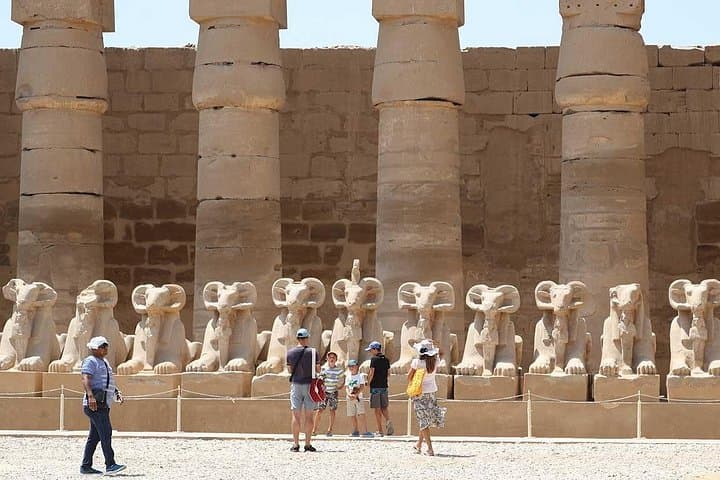
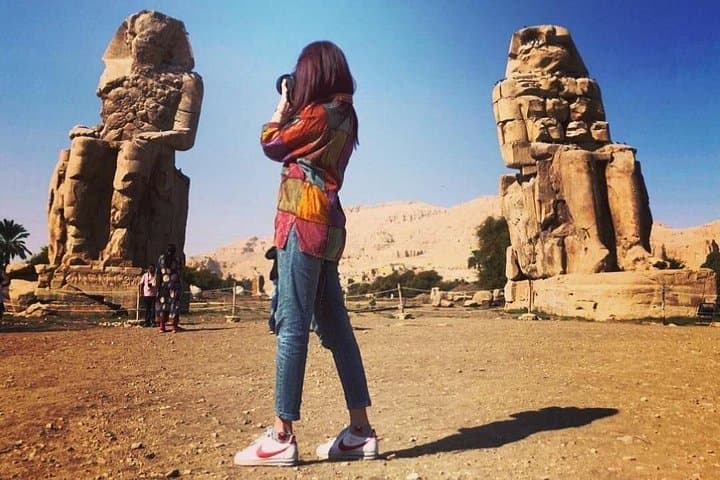
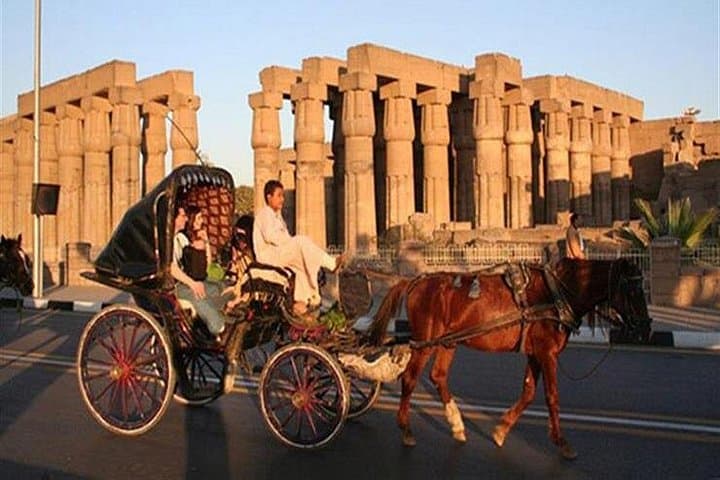
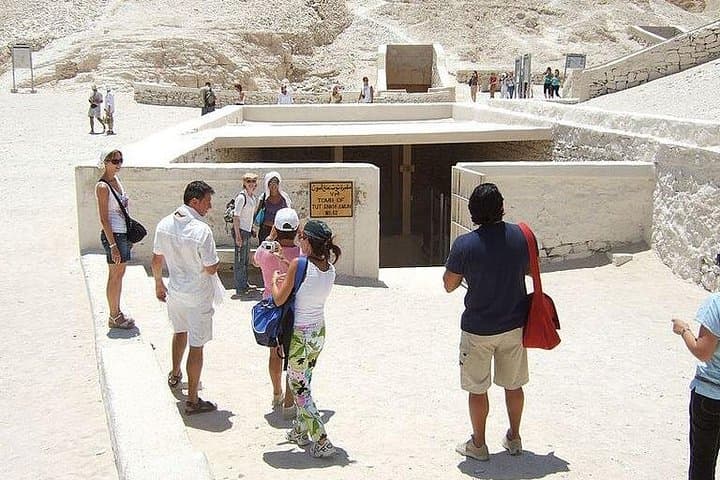
You step off the morning flight into a dust-gold air that smells faintly of river reeds and sun-warmed stone. Luxor unfolds as a living museum: colossi rise like old guards, avenues of sphinxes stretch toward Karnak, and the Nile dares you to slow down and breathe.
You step off the morning flight into a dust-gold air that smells faintly of river reeds and sun-warmed stone. Luxor unfolds as a living museum: colossi rise like old guards, avenues of sphinxes stretch toward Karnak, and the Nile dares you to slow down and breathe.
This single-day itinerary concentrates the Theban Necropolis and East Bank highlights—Valley of the Kings, Hatshepsut’s mortuary temple, the Colossi of Memnon, Karnak and Luxor temples—stitched between a traditional felucca sail and a brief camel ride along the West Bank. The sites date to the New Kingdom (c. 1550–1070 BCE), when Thebes was Egypt’s ceremonial heart; the scarred sandstone, quarried blocks and living river shaped both ritual landscape and daily life.
Culturally, the day mixes Egyptology with riverborne craft: feluccas are still worked by families who know the Nile’s moods, while camel handlers keep a centuries-old interface between desert and town.
Practical guidance: this is a long, guided day—expect early pickup from Cairo and a 13-hour itinerary. Walks are moderate but include uneven stone, sand and steps inside tombs. Carry a water bottle, a sun hat, and comfortable walking shoes; bring a light layer for early morning and cool evenings on the felucca. Respect site rules: no touching wall reliefs, follow your Egyptology guide’s paths, and avoid flash photography in tombs. If you want fewer crowds at the Valley of the Kings, ask the guide to prioritize it early in the schedule.