THE ADVENTURE COLLECTIVE® · Independent discovery and booking for outdoor travel

Spend a long but rewarding day crossing Luxor’s east and west banks to visit the Valley of the Kings, Hatshepsut’s terraces, Karnak’s columned precinct, and the Dendera temple complex. Expect a 12‑hour private tour with hotel pickup, significant walking, and layers of history at every stop.
Spend a long but rewarding day crossing Luxor’s east and west banks to visit the Valley of the Kings, Hatshepsut’s terraces, Karnak’s columned precinct, and the Dendera temple complex. Expect a 12‑hour private tour with hotel pickup, significant walking, and layers of history at every stop.
The sun lifts over the Nile and the air already tastes of dust and citrus as a private car ferries you across Luxor’s river to the West Bank. Ancient stone cools under your palm; the Valley of the Kings opens like a map of dynasties cut into limestone, and the carved coolness of a tomb briefly outspeaks the noon heat outside.
Verified experiences and guided adventures in the surrounding area.
Operated by Dubai Holidays · Luxor, Luxor Governorate
The sun lifts over the Nile and the air already tastes of dust and citrus as a private car ferries you across Luxor’s river to the West Bank. Ancient stone cools under your palm; the Valley of the Kings opens like a map of dynasties cut into limestone, and the carved coolness of a tomb briefly outspeaks the noon heat outside.
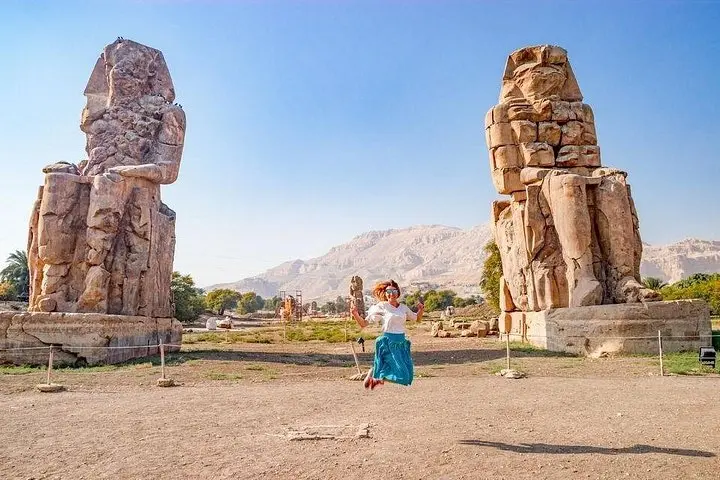
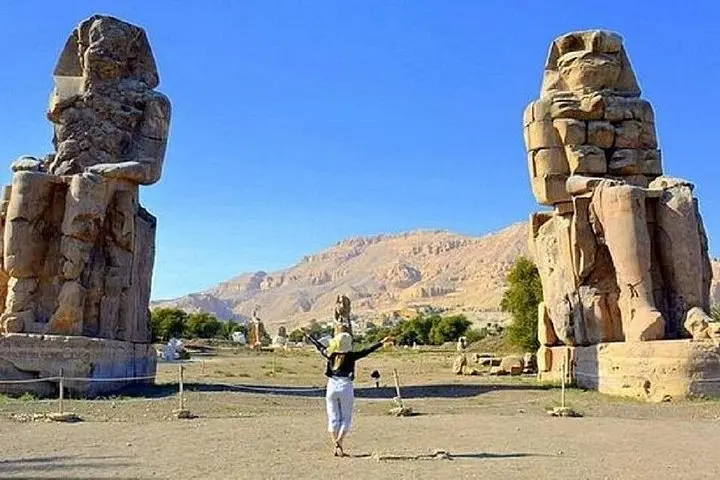
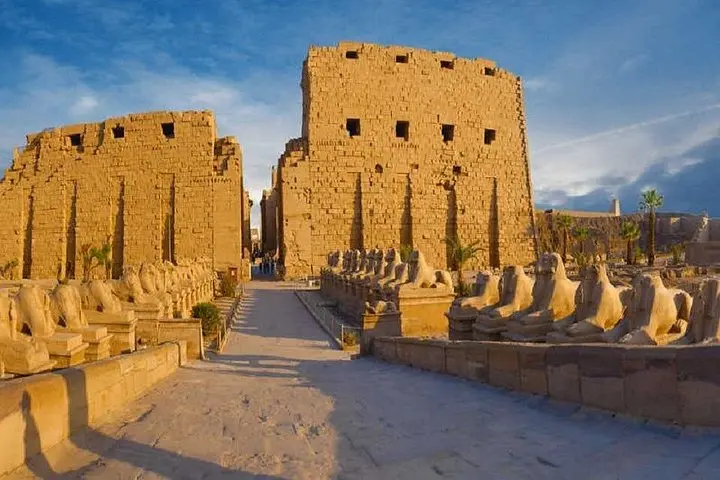
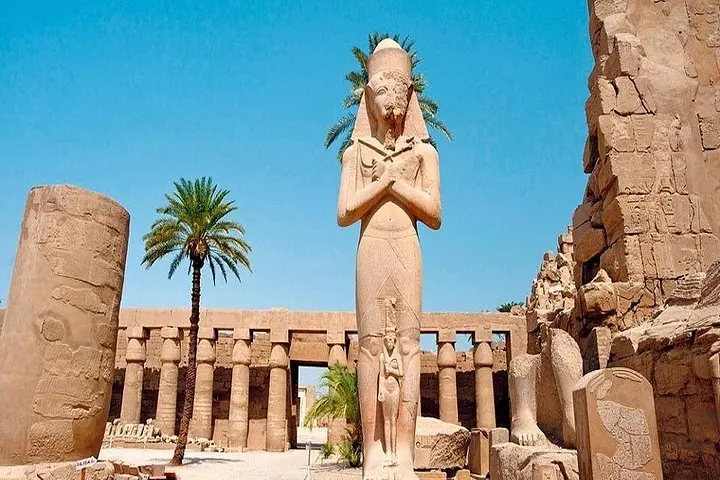
This single-day route stitches together Thebes’ greatest chapters: tombs of New Kingdom pharaohs in the Valley of the Kings, the soaring terraces of Hatshepsut’s mortuary temple, the Colossi of Memnon’s mute, massive greeting, and Karnak’s forest of columns dedicated to Amun. Later you make the hour-plus drive north to Dendera, a Ptolemaic temple complex honoring Hathor with preserved ceiling reliefs and the famous zodiac.
Geologically, the West Bank’s compacted limestone and painted burial chambers record millennia of work in easily eroded rock; that softness preserved delicate reliefs but also demands careful stewardship. Culturally, these sites are public stages of pharaonic ritual, later reused and reinterpreted through Coptic and Islamic eras; local guides tie architecture to daily life and worship practices.
Practical guidance: this is a long 12‑hour day—start early, pack a refillable water bottle, wear sturdy shoes and sun protection, and be ready for uneven steps and low, dark chambers. Photography rules and entry fees vary; ask your guide about tomb closures and the best order to avoid crowds. Respect conservation signs: avoid touching painted surfaces and choose shade for breaks. With a pragmatic plan and a measured pace, this tour gives a dense, vivid survey of Luxor’s enduring past.
Expect about 12 hours with hotel pickup; the pace is steady—several short walks and longer transfers, with time for key tombs and temples.
Policies vary; many guided tours include some entrance fees but always confirm with your operator—some tombs may require separate tickets on site.
Short children can join and strollers may be used in flat areas, but tomb interiors have steps and narrow passages that are not stroller-friendly.
Photography rules differ by site—some tombs prohibit photography to protect pigments; ask your guide and respect posted restrictions.
Dubai Holidays operates guided outdoor trips and adventures with an emphasis on safety, stewardship, and memorable experiences.
The sun lifts over the Nile and the air already tastes of dust and citrus as a private car ferries you across Luxor’s river to the West Bank. Ancient stone cools under your palm; the Valley of the Kings opens like a map of dynasties cut into limestone, and the carved coolness of a tomb briefly outspeaks the noon heat outside.
The sun lifts over the Nile and the air already tastes of dust and citrus as a private car ferries you across Luxor’s river to the West Bank. Ancient stone cools under your palm; the Valley of the Kings opens like a map of dynasties cut into limestone, and the carved coolness of a tomb briefly outspeaks the noon heat outside.
This single-day route stitches together Thebes’ greatest chapters: tombs of New Kingdom pharaohs in the Valley of the Kings, the soaring terraces of Hatshepsut’s mortuary temple, the Colossi of Memnon’s mute, massive greeting, and Karnak’s forest of columns dedicated to Amun. Later you make the hour-plus drive north to Dendera, a Ptolemaic temple complex honoring Hathor with preserved ceiling reliefs and the famous zodiac.
Geologically, the West Bank’s compacted limestone and painted burial chambers record millennia of work in easily eroded rock; that softness preserved delicate reliefs but also demands careful stewardship. Culturally, these sites are public stages of pharaonic ritual, later reused and reinterpreted through Coptic and Islamic eras; local guides tie architecture to daily life and worship practices.
Practical guidance: this is a long 12‑hour day—start early, pack a refillable water bottle, wear sturdy shoes and sun protection, and be ready for uneven steps and low, dark chambers. Photography rules and entry fees vary; ask your guide about tomb closures and the best order to avoid crowds. Respect conservation signs: avoid touching painted surfaces and choose shade for breaks. With a pragmatic plan and a measured pace, this tour gives a dense, vivid survey of Luxor’s enduring past.