THE ADVENTURE COLLECTIVE® · Independent discovery and booking for outdoor travel

Take an early drive from Hurghada for a sunrise hot air balloon over Luxor, then walk through the Valley of the Kings, Hatshepsut’s temple and Karnak in a single, expertly guided day. Expect long transfers, early starts and unforgettable aerial views.
Take an early drive from Hurghada for a sunrise hot air balloon over Luxor, then walk through the Valley of the Kings, Hatshepsut’s temple and Karnak in a single, expertly guided day. Expect long transfers, early starts and unforgettable aerial views.
Before dawn the desert road unfurls east toward the Nile: headlights carving a ribbon of asphalt as you head to Luxor for a pre-dawn lift-off. The hot air balloon rises in the cold light, the Valley of the Kings and the West Bank's ochre cliffs sliding beneath you as the sun edges over the river.
Verified experiences and guided adventures in the surrounding area.
Operated by Queen Nefertari Tours · Luxor, Luxor Governorate
Before dawn the desert road unfurls east toward the Nile: headlights carving a ribbon of asphalt as you head to Luxor for a pre-dawn lift-off. The hot air balloon rises in the cold light, the Valley of the Kings and the West Bank's ochre cliffs sliding beneath you as the sun edges over the river.
Luxor sits on the ruins of ancient Thebes—the religious heart of New Kingdom Egypt. Stone avenues, pylon gateways and colonnaded courtyards at Karnak record millennia of temple building, while Hatshepsut’s tiered mortuary temple climbs the cliff face on the west bank. Geologically, the valley is limestone and sandstone sculpted by wind and Nile floods; culturally, the area remains a working city where feluccas and modern life meet pharaonic ruins.
Practical side: this is a long day. Expect a 3.5–4 hour drive each way from Hurghada (~280 km), a 40–60 minute balloon flight, and several hours walking across mostly flat temple grounds with stairs at Hatshepsut and tomb passages in the Valley of the Kings. Bring your passport for ticketing and plan on paying entrance fees if not included (roughly US$45–55 total depending on tomb access). Footwear with good grip, sun protection and a small daypack will keep you moving.
Timing matters—balloon flights require clear, calm mornings—and photography rules vary in tombs. Respect barriers and your guide’s instructions to protect fragile pigments. The reward is immediate: aerial perspective on Luxor’s layers of history, and a compact, expertly guided sweep through Egypt’s greatest monuments before you return to the Red Sea coast.
Typical flights last 40–60 minutes depending on wind and operator conditions; allow extra time for setup and transfer.
Some options include entrance fees; if not, expect to pay roughly US$45–60 total for access to the Valley of the Kings, Hatshepsut and Karnak—carry passport for ticket purchase.
The transfer is about 280 km and typically takes 3.5–4 hours each way by air‑conditioned vehicle, so plan for a long day.
Operators screen participants—infants must sit on laps and pregnant travelers or those with spinal injuries are usually not recommended; check the provider’s health requirements before booking.
Queen Nefertari Tours operates guided outdoor trips and adventures with an emphasis on safety, stewardship, and memorable experiences.
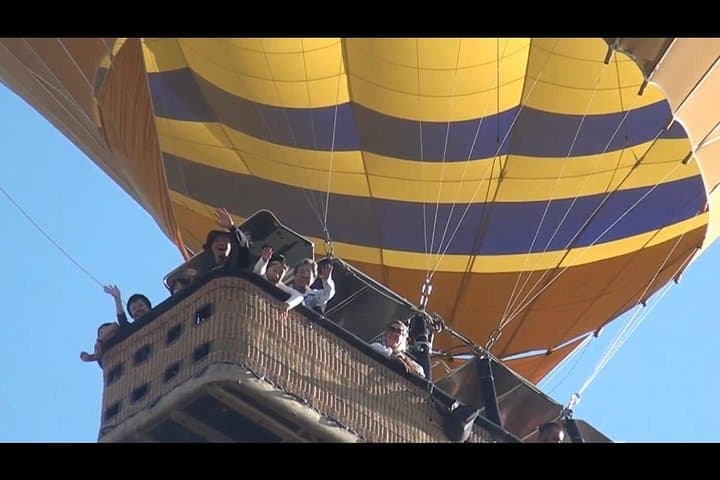
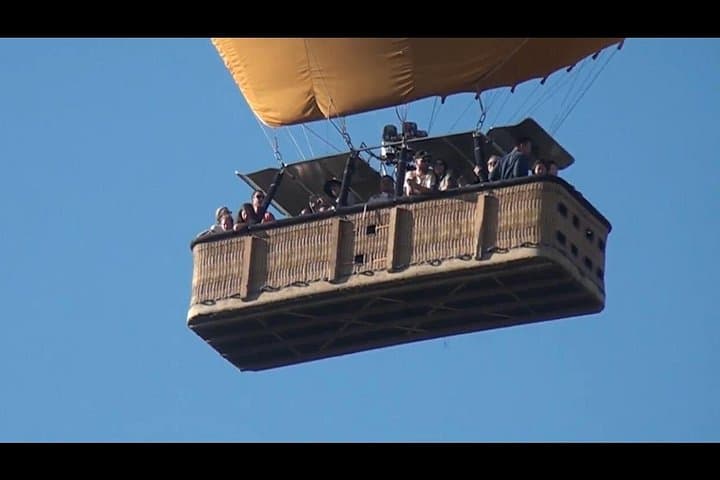


Before dawn the desert road unfurls east toward the Nile: headlights carving a ribbon of asphalt as you head to Luxor for a pre-dawn lift-off. The hot air balloon rises in the cold light, the Valley of the Kings and the West Bank's ochre cliffs sliding beneath you as the sun edges over the river.
Before dawn the desert road unfurls east toward the Nile: headlights carving a ribbon of asphalt as you head to Luxor for a pre-dawn lift-off. The hot air balloon rises in the cold light, the Valley of the Kings and the West Bank's ochre cliffs sliding beneath you as the sun edges over the river.
Luxor sits on the ruins of ancient Thebes—the religious heart of New Kingdom Egypt. Stone avenues, pylon gateways and colonnaded courtyards at Karnak record millennia of temple building, while Hatshepsut’s tiered mortuary temple climbs the cliff face on the west bank. Geologically, the valley is limestone and sandstone sculpted by wind and Nile floods; culturally, the area remains a working city where feluccas and modern life meet pharaonic ruins.
Practical side: this is a long day. Expect a 3.5–4 hour drive each way from Hurghada (~280 km), a 40–60 minute balloon flight, and several hours walking across mostly flat temple grounds with stairs at Hatshepsut and tomb passages in the Valley of the Kings. Bring your passport for ticketing and plan on paying entrance fees if not included (roughly US$45–55 total depending on tomb access). Footwear with good grip, sun protection and a small daypack will keep you moving.
Timing matters—balloon flights require clear, calm mornings—and photography rules vary in tombs. Respect barriers and your guide’s instructions to protect fragile pigments. The reward is immediate: aerial perspective on Luxor’s layers of history, and a compact, expertly guided sweep through Egypt’s greatest monuments before you return to the Red Sea coast.