THE ADVENTURE COLLECTIVE® · Independent discovery and booking for outdoor travel

Move through Luxor’s markets with a private guide who leads you to alabaster workshops, papyrus demonstrations, and herb stalls. This four‑hour tour pairs cultural context with shopping practicality—perfect for travelers who want authentic souvenirs and insider tips.
Move through Luxor’s markets with a private guide who leads you to alabaster workshops, papyrus demonstrations, and herb stalls. This four‑hour tour pairs cultural context with shopping practicality—perfect for travelers who want authentic souvenirs and insider tips.
A shaft of late-morning sun slices through narrow market alleys as vendors lift shutters and the scent of spices rises to meet the bank of the Nile. On a private shopping tour of Luxor you move through that light with a local guide, stepping from shaded stalls into a cool alabaster workshop where stone dust hangs like a fine fog and craftsmen coax shape from raw blocks.
Verified experiences and guided adventures in the surrounding area.
Operated by Egypt Private Trips · Luxor, Luxor Governorate
A shaft of late-morning sun slices through narrow market alleys as vendors lift shutters and the scent of spices rises to meet the bank of the Nile. On a private shopping tour of Luxor you move through that light with a local guide, stepping from shaded stalls into a cool alabaster workshop where stone dust hangs like a fine fog and craftsmen coax shape from raw blocks.
Luxor was once the heart of ancient Thebes; the same limestone and gypsum formations that built Karnak and the Valley of the Kings feed local craft traditions—alabaster carving, hand-pressed papyrus, and herbal distillations that have practical roots in millennia of Nile‑valley life. The souk is less about geology and more about human geology: layers of trade, family-run workshops, and recipes for oils and soaps passed down through generations.
Expect hands-on demonstrations: watch artisans cut and polish stone, see paper pressed from reed pulp, and commission a cartouche in hieroglyphs. Your guide decodes social cues, explains pricing, and escorts you to trustworthy shops where hospitality and negotiation coexist.
Practical guidance: tours are typically 4 hours with hotel pickup in an air-conditioned vehicle; wear closed-toe shoes for factory floors, carry local currency for small purchases, and plan for cooler mornings or late afternoons to avoid peak heat. Bring a reusable bag for fragile items and allow time for customs or shipping arrangements if you plan to send purchases home. With a mix of living history and commerce, this tour offers a focused, culturally informed way to shop Luxor without getting lost in the crowd.
Yes; the typical private shopping tour includes admission and demonstrations at the alabaster factory and papyrus workshop as noted in the itinerary.
Many reputable workshops and larger stalls offer international shipping—confirm costs, customs paperwork, and delivery timelines before purchase.
Bargaining is a normal part of market culture in Luxor; your guide can advise a fair starting offer and when a price is reasonable.
Pickup is provided from hotels within Luxor in an air‑conditioned vehicle; confirm exact pickup location at booking and share hotel details.
Egypt Private Trips operates guided outdoor trips and adventures with an emphasis on safety, stewardship, and memorable experiences.
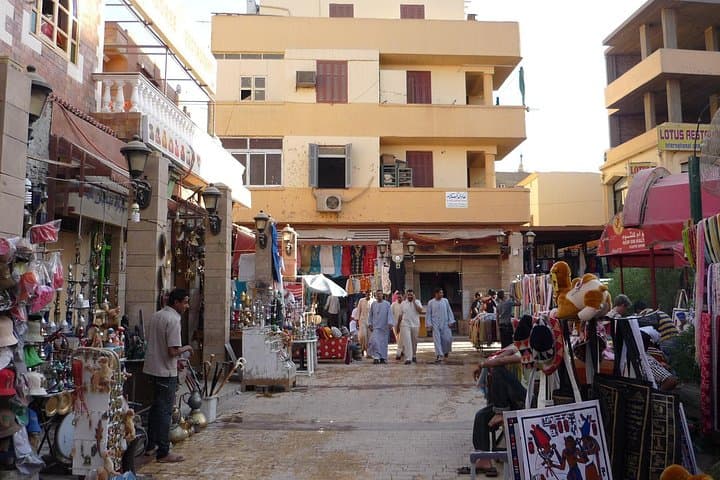
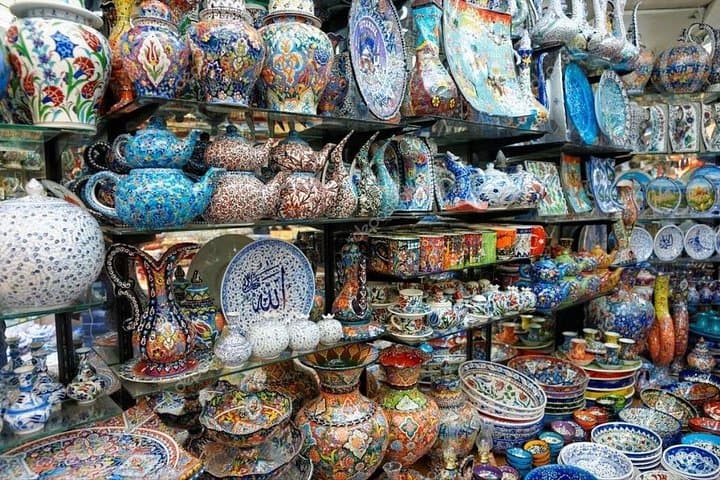
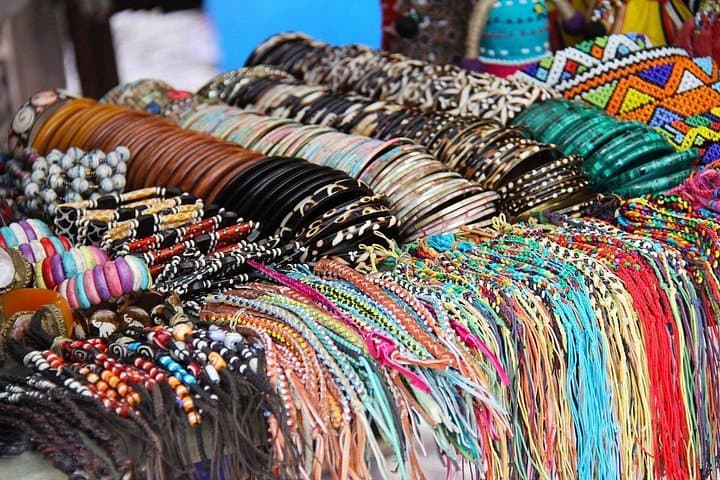
A shaft of late-morning sun slices through narrow market alleys as vendors lift shutters and the scent of spices rises to meet the bank of the Nile. On a private shopping tour of Luxor you move through that light with a local guide, stepping from shaded stalls into a cool alabaster workshop where stone dust hangs like a fine fog and craftsmen coax shape from raw blocks.
A shaft of late-morning sun slices through narrow market alleys as vendors lift shutters and the scent of spices rises to meet the bank of the Nile. On a private shopping tour of Luxor you move through that light with a local guide, stepping from shaded stalls into a cool alabaster workshop where stone dust hangs like a fine fog and craftsmen coax shape from raw blocks.
Luxor was once the heart of ancient Thebes; the same limestone and gypsum formations that built Karnak and the Valley of the Kings feed local craft traditions—alabaster carving, hand-pressed papyrus, and herbal distillations that have practical roots in millennia of Nile‑valley life. The souk is less about geology and more about human geology: layers of trade, family-run workshops, and recipes for oils and soaps passed down through generations.
Expect hands-on demonstrations: watch artisans cut and polish stone, see paper pressed from reed pulp, and commission a cartouche in hieroglyphs. Your guide decodes social cues, explains pricing, and escorts you to trustworthy shops where hospitality and negotiation coexist.
Practical guidance: tours are typically 4 hours with hotel pickup in an air-conditioned vehicle; wear closed-toe shoes for factory floors, carry local currency for small purchases, and plan for cooler mornings or late afternoons to avoid peak heat. Bring a reusable bag for fragile items and allow time for customs or shipping arrangements if you plan to send purchases home. With a mix of living history and commerce, this tour offers a focused, culturally informed way to shop Luxor without getting lost in the crowd.