THE ADVENTURE COLLECTIVE® · Independent discovery and booking for outdoor travel

Float above Luxor at dawn and watch ancient temples, the Nile’s ribbon of green, and desert plains unfold beneath you. This early-morning hot air balloon delivers panoramic perspective on one of the world’s richest archaeological landscapes with minimal effort and maximum photo opportunities.
Float above Luxor at dawn and watch ancient temples, the Nile’s ribbon of green, and desert plains unfold beneath you. This early-morning hot air balloon delivers panoramic perspective on one of the world’s richest archaeological landscapes with minimal effort and maximum photo opportunities.
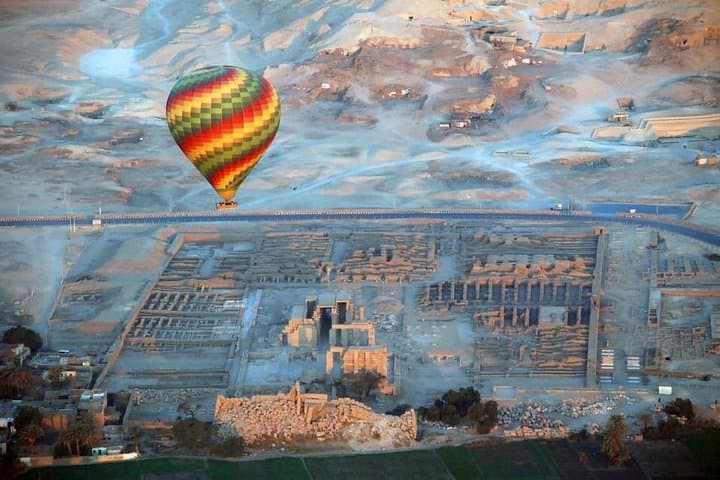
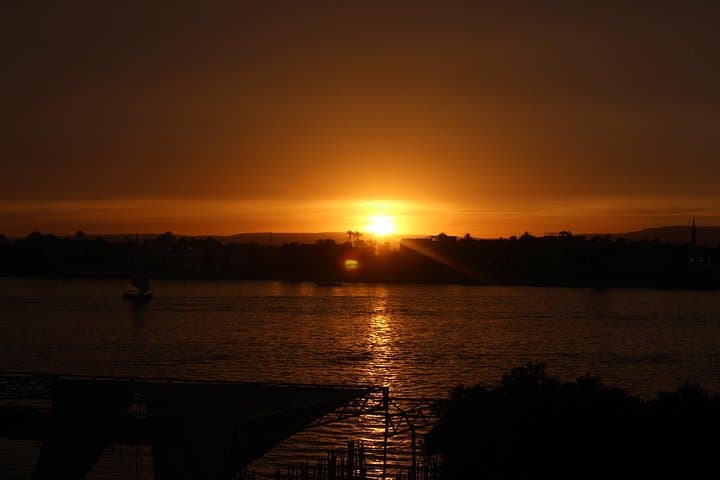
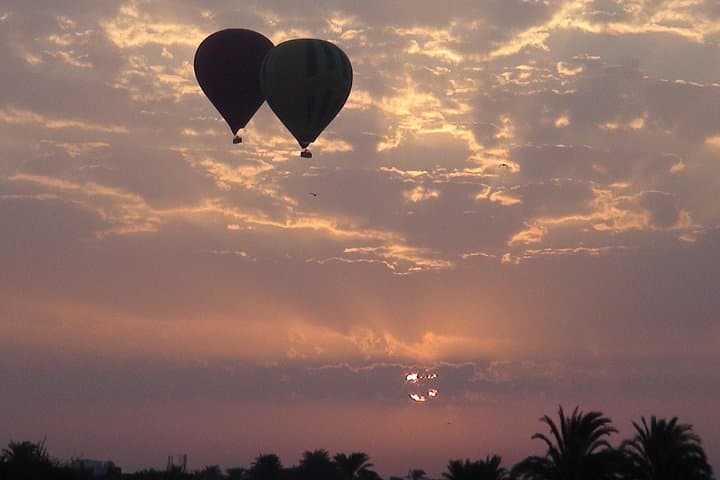
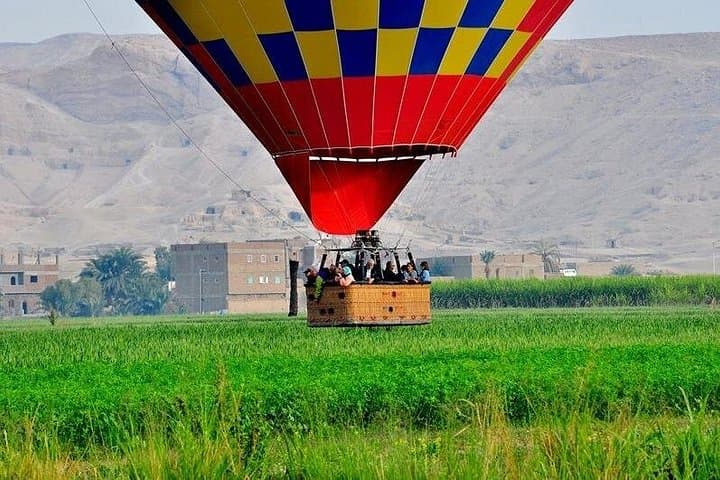
Before the city wakes and the Nile mirrors the first light, the balloon field on Luxor’s West Bank hums with preparation. Crews unfurl fabric, burners breathe fire, and the valley exhales a cool, dust-scented breath. As the basket lifts, the desert and river spread beneath like a slow-moving map: temple pylons, the straight lines of irrigation, and the ragged edge where sand pushes into cultivated green.
Verified experiences and guided adventures in the surrounding area.
Operated by Ahmed Ebeid Gabr · Luxor, Luxor Governorate
Before the city wakes and the Nile mirrors the first light, the balloon field on Luxor’s West Bank hums with preparation. Crews unfurl fabric, burners breathe fire, and the valley exhales a cool, dust-scented breath. As the basket lifts, the desert and river spread beneath like a slow-moving map: temple pylons, the straight lines of irrigation, and the ragged edge where sand pushes into cultivated green.
Luxor sits on layers of history — pharaonic temples from the New Kingdom, funerary complexes on the West Bank and millennia of agricultural practices along the Nile. Geologically, the floodplain’s alluvial soils make for stark contrast with the surrounding sandstone plateaus; culturally, the landscape still carries rituals and markets that have threaded through centuries.
From 300–500 meters you get an uncommon vantage: Karnak’s axis becomes a ribbon, tomb terraces look like carved reliefs, and the desert seems to dare you to cross it. The ride is quiet enough that wind feels like an intentional guide; pilots point out features and adjust height to catch light and views.
Practicalities are straightforward: most operators include hotel pickup, soft drinks, and a light breakfast, and the flight itself runs about 45 minutes with a total door-to-door window of 3–4 hours. Dress in layers (mornings are chilly, burners add heat), bring sun protection, and expect a gentle landing on uneven ground. Advance booking is wise — flights sell out at high season — and travelers should carry passports for local transfer paperwork.
This is a flight designed for visual context as much as spectacle: it places Luxor’s monuments back into the wide landscape that shaped them.
Commercial balloon operators in Luxor follow standard safety procedures with licensed pilots; rides are generally safe, but listen to the pilot’s briefing and follow crew instructions during takeoff and landing.
Pickup times vary by season but are typically 1–1.5 hours before sunrise; your tour manager will confirm the exact time the day before.
Many operators permit children; infants may be required to sit on an adult’s lap—confirm age restrictions with the provider when booking.
Yes—most operators ask for passport details during booking and may check IDs at pickup for transfer paperwork.
Ahmed Ebeid Gabr operates guided outdoor trips and adventures with an emphasis on safety, stewardship, and memorable experiences.
Before the city wakes and the Nile mirrors the first light, the balloon field on Luxor’s West Bank hums with preparation. Crews unfurl fabric, burners breathe fire, and the valley exhales a cool, dust-scented breath. As the basket lifts, the desert and river spread beneath like a slow-moving map: temple pylons, the straight lines of irrigation, and the ragged edge where sand pushes into cultivated green.
Before the city wakes and the Nile mirrors the first light, the balloon field on Luxor’s West Bank hums with preparation. Crews unfurl fabric, burners breathe fire, and the valley exhales a cool, dust-scented breath. As the basket lifts, the desert and river spread beneath like a slow-moving map: temple pylons, the straight lines of irrigation, and the ragged edge where sand pushes into cultivated green.
Luxor sits on layers of history — pharaonic temples from the New Kingdom, funerary complexes on the West Bank and millennia of agricultural practices along the Nile. Geologically, the floodplain’s alluvial soils make for stark contrast with the surrounding sandstone plateaus; culturally, the landscape still carries rituals and markets that have threaded through centuries.
From 300–500 meters you get an uncommon vantage: Karnak’s axis becomes a ribbon, tomb terraces look like carved reliefs, and the desert seems to dare you to cross it. The ride is quiet enough that wind feels like an intentional guide; pilots point out features and adjust height to catch light and views.
Practicalities are straightforward: most operators include hotel pickup, soft drinks, and a light breakfast, and the flight itself runs about 45 minutes with a total door-to-door window of 3–4 hours. Dress in layers (mornings are chilly, burners add heat), bring sun protection, and expect a gentle landing on uneven ground. Advance booking is wise — flights sell out at high season — and travelers should carry passports for local transfer paperwork.
This is a flight designed for visual context as much as spectacle: it places Luxor’s monuments back into the wide landscape that shaped them.