THE ADVENTURE COLLECTIVE® · Independent discovery and booking for outdoor travel

Rise with the sun over Luxor and drift above the Valley of the Kings, Hatshepsut’s terraces, and the Nile’s palm-fringed floodplain. This early-morning balloon flight pairs once-in-a-lifetime views with practical, safety-first touring.
Rise with the sun over Luxor and drift above the Valley of the Kings, Hatshepsut’s terraces, and the Nile’s palm-fringed floodplain. This early-morning balloon flight pairs once-in-a-lifetime views with practical, safety-first touring.
Before the sun breaks the horizon, the desert exhales cool air and the balloon envelope fills like a giant eye opening to the east. You stand in a wicker basket as flame licks the canopy and the world loosens its grip; in minutes the Nile, the dunes, and columned temples shrink into a geometric map below.
Verified experiences and guided adventures in the surrounding area.
Operated by Fares Egypt Tours · Luxor, Luxor Governorate
Before the sun breaks the horizon, the desert exhales cool air and the balloon envelope fills like a giant eye opening to the east. You stand in a wicker basket as flame licks the canopy and the world loosens its grip; in minutes the Nile, the dunes, and columned temples shrink into a geometric map below.
Luxor — ancient Thebes — is geology and history stacked in plain sight: the Nile’s broad floodplain punctuated by a limestone escarpment that cradles the West Bank’s royal burial grounds. From the air you see the linear geometry of the Valley of the Kings, the terraced profile of Hatshepsut’s mortuary temple, and the skeletal colonnades of the Ramesseum, each monument set against ochre desert and palm groves.
Pilots here are local stewards of a long tourist tradition; many crews celebrate landings with herbal tea or coffee and a brief certificate ceremony that honors the place as much as the flight. Photography is the obvious reward — aim for low-angled light and wide lenses — but the emotional frame is different: time stitched horizontally, civilization measured in shadow.
Practical guidance: flights last 45–60 minutes; allow three hours for pickup, briefing, and return. Dress in layers (desert mornings are cold, soon warming fast), wear sturdy, closed-toe shoes for uneven launch and landing zones, and bring water and a phone with extra battery. Follow pilot instructions at all times and book early in high season; weather cancellations are common for safety. Arrive prepared and you’ll trade the ground’s gravity for a calm, memorable sweep over one of humanity’s oldest open-air museums.
The airborne portion is typically 45–60 minutes; the full experience including transfers and briefing is about three hours.
Yes—operators generally accept guests of most ages, but mobility to step into the basket and stand during the flight is required; check age or weight limits with the operator.
Flights are canceled for unsafe wind or low visibility; most operators offer full refunds if you cancel at least 24 hours before departure or if the operator cancels due to weather.
Yes—hotel pickup and drop-off from Luxor’s East and West Banks are typically included; confirm your pickup point when booking.
Fares Egypt Tours operates guided outdoor trips and adventures with an emphasis on safety, stewardship, and memorable experiences.


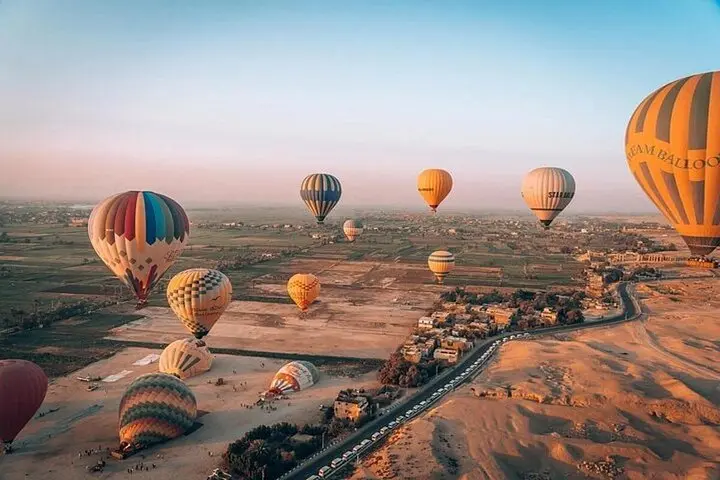
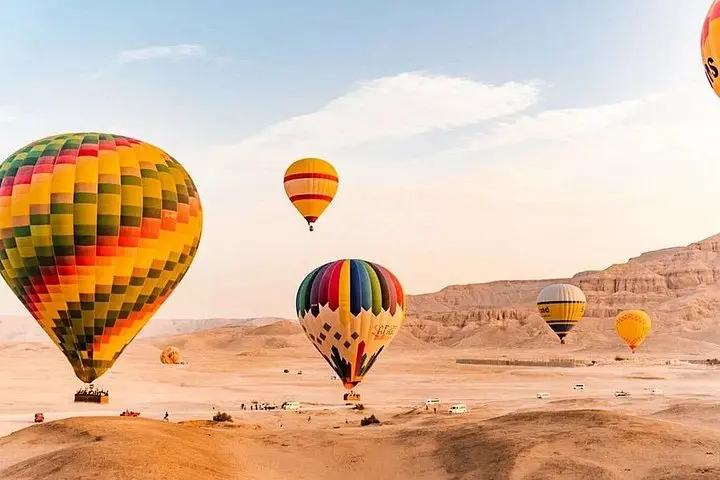
Before the sun breaks the horizon, the desert exhales cool air and the balloon envelope fills like a giant eye opening to the east. You stand in a wicker basket as flame licks the canopy and the world loosens its grip; in minutes the Nile, the dunes, and columned temples shrink into a geometric map below.
Before the sun breaks the horizon, the desert exhales cool air and the balloon envelope fills like a giant eye opening to the east. You stand in a wicker basket as flame licks the canopy and the world loosens its grip; in minutes the Nile, the dunes, and columned temples shrink into a geometric map below.
Luxor — ancient Thebes — is geology and history stacked in plain sight: the Nile’s broad floodplain punctuated by a limestone escarpment that cradles the West Bank’s royal burial grounds. From the air you see the linear geometry of the Valley of the Kings, the terraced profile of Hatshepsut’s mortuary temple, and the skeletal colonnades of the Ramesseum, each monument set against ochre desert and palm groves.
Pilots here are local stewards of a long tourist tradition; many crews celebrate landings with herbal tea or coffee and a brief certificate ceremony that honors the place as much as the flight. Photography is the obvious reward — aim for low-angled light and wide lenses — but the emotional frame is different: time stitched horizontally, civilization measured in shadow.
Practical guidance: flights last 45–60 minutes; allow three hours for pickup, briefing, and return. Dress in layers (desert mornings are cold, soon warming fast), wear sturdy, closed-toe shoes for uneven launch and landing zones, and bring water and a phone with extra battery. Follow pilot instructions at all times and book early in high season; weather cancellations are common for safety. Arrive prepared and you’ll trade the ground’s gravity for a calm, memorable sweep over one of humanity’s oldest open-air museums.