THE ADVENTURE COLLECTIVE® · Independent discovery and booking for outdoor travel

A full-day, private drive from Luxor to the monumental Abu Simbel temples — all transport, licensed guide commentary, and entrance tickets handled for you. Expect a long but intimate cultural day with flexible stops and expert local insight.
A full-day, private drive from Luxor to the monumental Abu Simbel temples — all transport, licensed guide commentary, and entrance tickets handled for you. Expect a long but intimate cultural day with flexible stops and expert local insight.
You leave Luxor before dawn, the engine humming while the desert light sharpens into a strip of gold along the asphalt. The road wears the landscape thin: sweeping salt flats, low scrub, and the broad, mirror-surface of Lake Nasser that seems to dare you to slow down.
Verified experiences and guided adventures in the surrounding area.
Operated by Eyes of Egypt · Abu Simbel, Aswan Governorate
You leave Luxor before dawn, the engine humming while the desert light sharpens into a strip of gold along the asphalt. The road wears the landscape thin: sweeping salt flats, low scrub, and the broad, mirror-surface of Lake Nasser that seems to dare you to slow down.
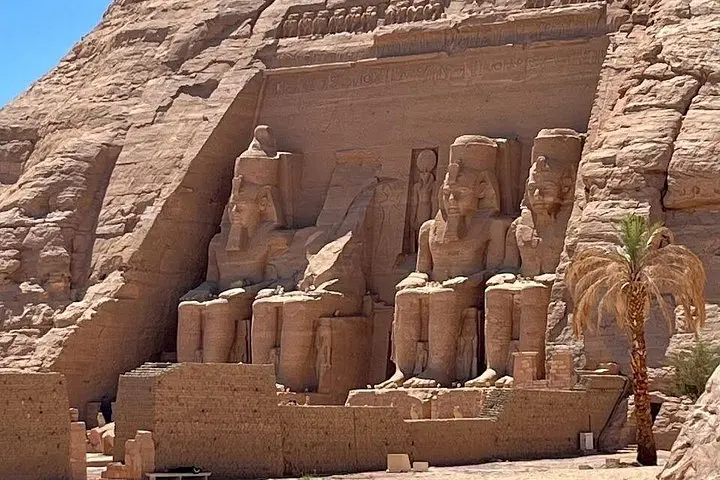
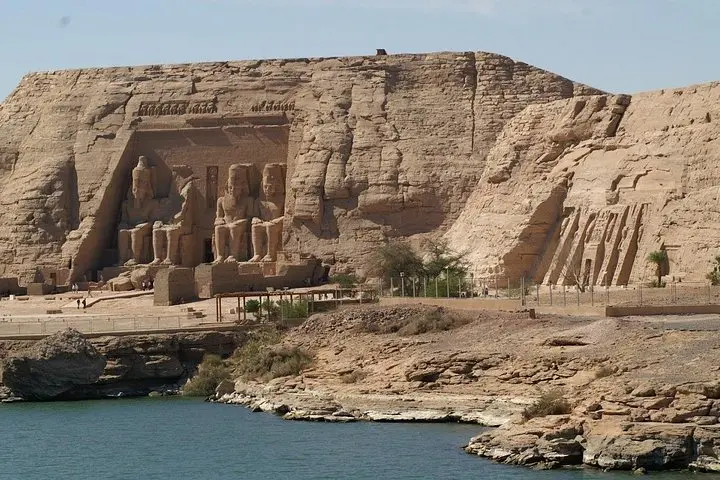
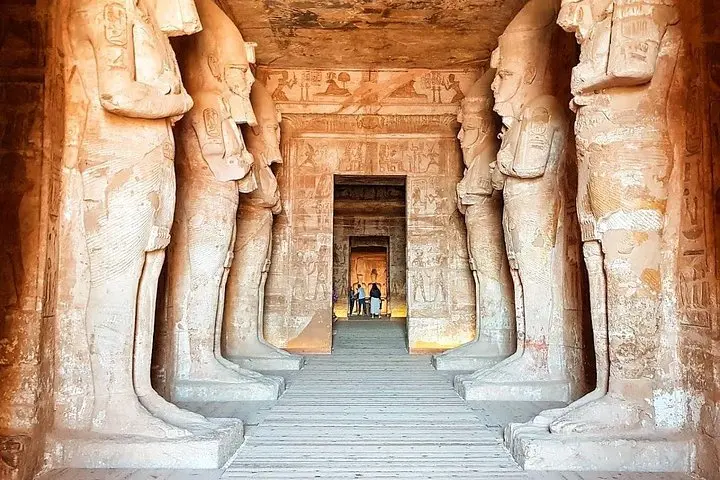
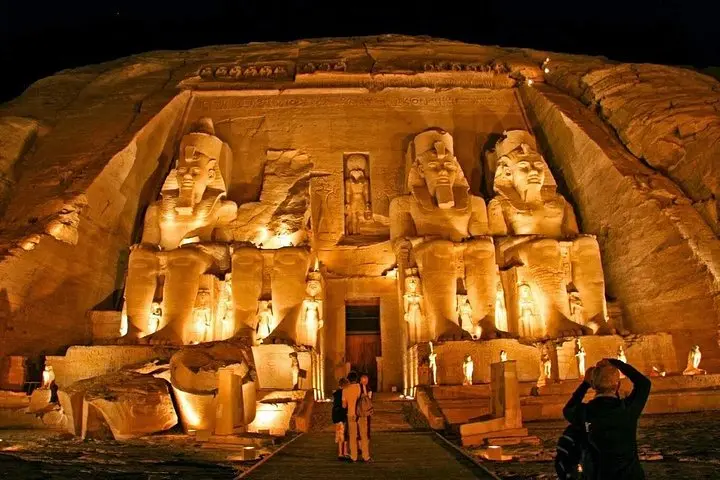
Abu Simbel’s twin rock temples were carved under Ramses II in the 13th century BC and re-erected on higher ground in the 1960s to escape Lake Nasser’s rising waters — a modern rescue that saved an ancient spectacle. Geologically the site sits on Nubian sandstone; the stone’s warm ochre takes late sun like a slow burn. Culturally, the temples are propaganda and prayer in equal measure: colossal seated pharaohs, narrow hypostyle halls, and reliefs that narrate military victories and religious rites.
Expect a deeply managed visitor experience: a compact museum, broad viewing platforms, and a licensed guide who can unpack the hieroglyphics and solar alignment stories that still draw visitors each year. The journey is long but straightforward — roughly six hours each way by road with planned rest stops — so comfort and timing matter.
Practical advice: carry ample water, sun protection, and a layer for early-morning car air conditioning. Bring your passport for ticket and ID checks, and plan for a 14–15 hour day; a private tour offers flexible photo stops and a quieter visit than bus groups. Respect ropes and signs around the statues: preservation depends on steady, careful foot traffic. If the drive feels too long, consider an internal flight from Aswan as an alternative.
Expect roughly six hours each way by road (about 500 km one-way) with scheduled rest stops; total door-to-door time is typically 14–15 hours.
Yes — this private tour includes all Abu Simbel entrance tickets so you won’t need to purchase them on arrival.
The site provides wheelchair-accessible pathways and visitor facilities, but some areas have steps and uneven surfaces; check with the operator about specific needs.
Licensed multilingual guides are available; specify your preferred language when booking to confirm availability.
Eyes of Egypt operates guided outdoor trips and adventures with an emphasis on safety, stewardship, and memorable experiences.
You leave Luxor before dawn, the engine humming while the desert light sharpens into a strip of gold along the asphalt. The road wears the landscape thin: sweeping salt flats, low scrub, and the broad, mirror-surface of Lake Nasser that seems to dare you to slow down.
You leave Luxor before dawn, the engine humming while the desert light sharpens into a strip of gold along the asphalt. The road wears the landscape thin: sweeping salt flats, low scrub, and the broad, mirror-surface of Lake Nasser that seems to dare you to slow down.
Abu Simbel’s twin rock temples were carved under Ramses II in the 13th century BC and re-erected on higher ground in the 1960s to escape Lake Nasser’s rising waters — a modern rescue that saved an ancient spectacle. Geologically the site sits on Nubian sandstone; the stone’s warm ochre takes late sun like a slow burn. Culturally, the temples are propaganda and prayer in equal measure: colossal seated pharaohs, narrow hypostyle halls, and reliefs that narrate military victories and religious rites.
Expect a deeply managed visitor experience: a compact museum, broad viewing platforms, and a licensed guide who can unpack the hieroglyphics and solar alignment stories that still draw visitors each year. The journey is long but straightforward — roughly six hours each way by road with planned rest stops — so comfort and timing matter.
Practical advice: carry ample water, sun protection, and a layer for early-morning car air conditioning. Bring your passport for ticket and ID checks, and plan for a 14–15 hour day; a private tour offers flexible photo stops and a quieter visit than bus groups. Respect ropes and signs around the statues: preservation depends on steady, careful foot traffic. If the drive feels too long, consider an internal flight from Aswan as an alternative.