THE ADVENTURE COLLECTIVE® · Independent discovery and booking for outdoor travel

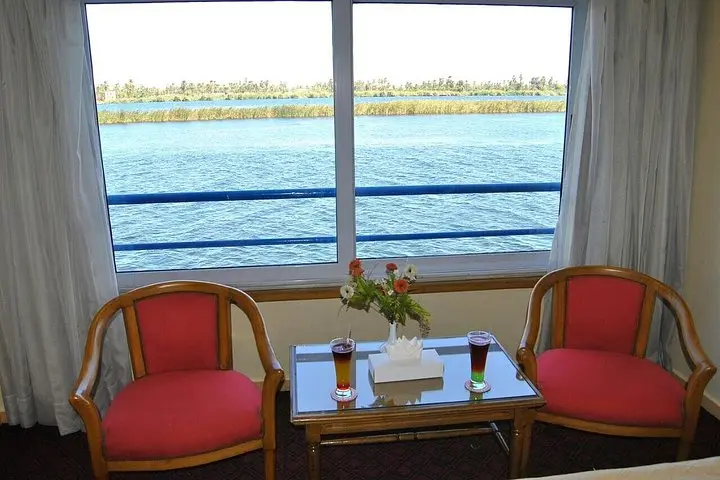
Sail from Luxor to Aswan on a two‑night Nile cruise that pairs five‑star comfort with guided visits to Karnak, the Valley of the Kings, Edfu, Kom Ombo and Philae. Expect early starts, sandstone stairs and wide river views.
Sail from Luxor to Aswan on a two‑night Nile cruise that pairs five‑star comfort with guided visits to Karnak, the Valley of the Kings, Edfu, Kom Ombo and Philae. Expect early starts, sandstone stairs and wide river views.
Dawn arrives on the Sinai road and a deluxe A/C transfer hums toward Luxor; palms slice the horizon and the Nile waits like a slow-moving promise. By mid‑day you step into the Valley of the Kings where the desert keeps its quiet and tomb walls still point at ancient beliefs. That evening the five‑star cruise boards, lights blinking as the boat slips downstream between cultivated riverbanks and small Upper Egyptian villages.
Verified experiences and guided adventures in the surrounding area.
Operated by Special trips · Luxor, Luxor Governorate
Dawn arrives on the Sinai road and a deluxe A/C transfer hums toward Luxor; palms slice the horizon and the Nile waits like a slow-moving promise. By mid‑day you step into the Valley of the Kings where the desert keeps its quiet and tomb walls still point at ancient beliefs. That evening the five‑star cruise boards, lights blinking as the boat slips downstream between cultivated riverbanks and small Upper Egyptian villages.
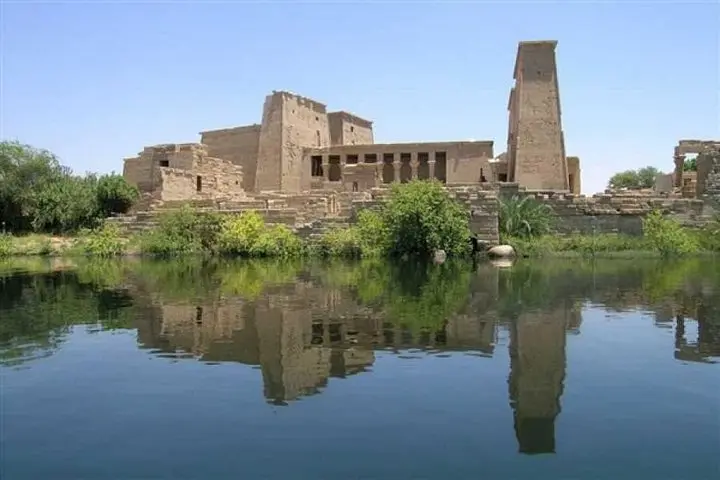
The route threads a long civilizational spine: Karnak’s forest of columns, Hatshepsut’s angular mortuary temple carved into sandstone, the Colossi of Memnon watching the flat valley. Ptolemaic sanctuaries at Edfu and Kom Ombo reveal later ritual layers, while Philae on its island showcases Aswan’s Nubian influence and the reshuffle of temples during the High Dam project.
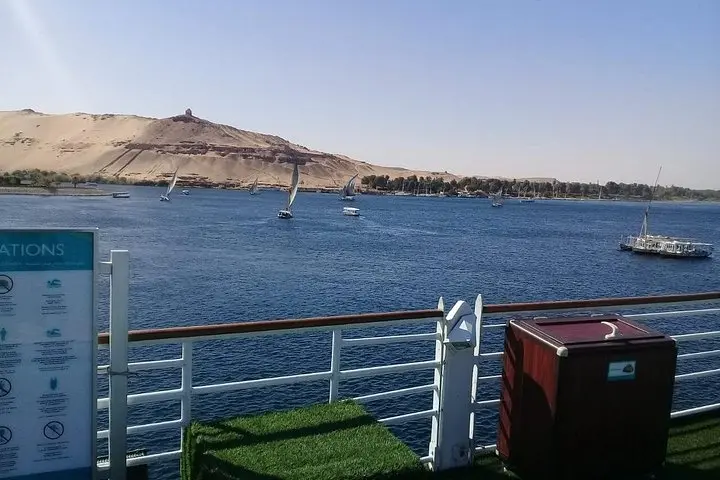
Geology here is simple and readable — limestone and sandstone cliffs shaped by wind and Nile floods, islands formed by alluvial deposits. Culture is visible in felucca traffic, market stalls, and the hospitality of local guides who translate inscriptions into stories.
Practical guidance: expect early starts, uneven stairs inside tombs, and sun that demands high SPF and repeated water. Bring comfortable shoes for temple stone, a light layer for cool mornings on deck, and copies of travel documents for boarding and archaeological sites. Plan for clear photo opportunities at sunrise over the West Bank and sunset watching the river slow near Aswan. This is a compact three‑day passage that pairs relaxed sailing with intensive ancient‑site exploration.
Pickup and drop-off are provided door-to-door from hotels in or around Hurghada; timings depend on hotel location.
The itinerary indicates visits are included per the schedule but confirm specific admission inclusions before booking as some sites may require separate tickets.
Yes—infants and small children are accommodated, but expect long transfers and early starts that may be tiring for young kids.
Most visitors require a visa for Egypt—check your nationality’s entry requirements and ensure passport validity meets regulations before travel.
Special trips operates guided outdoor trips and adventures with an emphasis on safety, stewardship, and memorable experiences.
Dawn arrives on the Sinai road and a deluxe A/C transfer hums toward Luxor; palms slice the horizon and the Nile waits like a slow-moving promise. By mid‑day you step into the Valley of the Kings where the desert keeps its quiet and tomb walls still point at ancient beliefs. That evening the five‑star cruise boards, lights blinking as the boat slips downstream between cultivated riverbanks and small Upper Egyptian villages.
Dawn arrives on the Sinai road and a deluxe A/C transfer hums toward Luxor; palms slice the horizon and the Nile waits like a slow-moving promise. By mid‑day you step into the Valley of the Kings where the desert keeps its quiet and tomb walls still point at ancient beliefs. That evening the five‑star cruise boards, lights blinking as the boat slips downstream between cultivated riverbanks and small Upper Egyptian villages.
The route threads a long civilizational spine: Karnak’s forest of columns, Hatshepsut’s angular mortuary temple carved into sandstone, the Colossi of Memnon watching the flat valley. Ptolemaic sanctuaries at Edfu and Kom Ombo reveal later ritual layers, while Philae on its island showcases Aswan’s Nubian influence and the reshuffle of temples during the High Dam project.
Geology here is simple and readable — limestone and sandstone cliffs shaped by wind and Nile floods, islands formed by alluvial deposits. Culture is visible in felucca traffic, market stalls, and the hospitality of local guides who translate inscriptions into stories.
Practical guidance: expect early starts, uneven stairs inside tombs, and sun that demands high SPF and repeated water. Bring comfortable shoes for temple stone, a light layer for cool mornings on deck, and copies of travel documents for boarding and archaeological sites. Plan for clear photo opportunities at sunrise over the West Bank and sunset watching the river slow near Aswan. This is a compact three‑day passage that pairs relaxed sailing with intensive ancient‑site exploration.