THE ADVENTURE COLLECTIVE® · Independent discovery and booking for outdoor travel

Sail from Luxor to Aswan over two nights, visiting Karnak, Luxor Temple, Edfu, Kom Ombo and Philae along the way. This compact cruise blends relaxed river travel with focused temple visits and easy daily walks.
Sail from Luxor to Aswan over two nights, visiting Karnak, Luxor Temple, Edfu, Kom Ombo and Philae along the way. This compact cruise blends relaxed river travel with focused temple visits and easy daily walks.
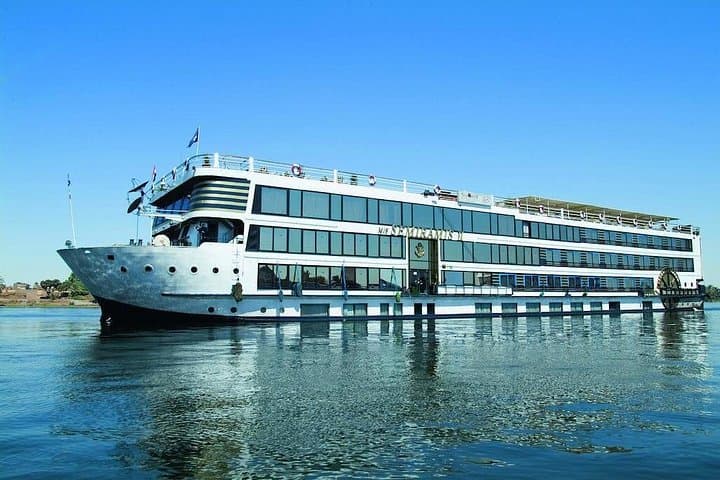
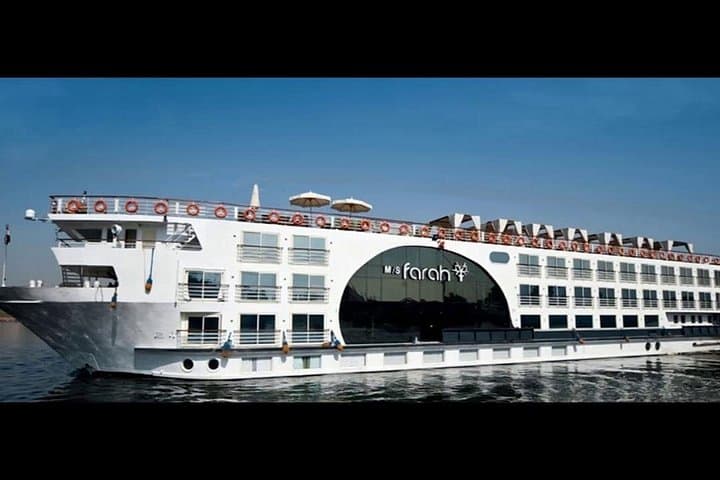
The sun slides down behind flat brown fields as your dahabiya—modern, air-conditioned and low-slung—glides past reed beds and the occasional felucca. On deck, the Nile widens into a glassy highway; minarets and distant palms punctuate the horizon. This 2-night cruise moves at the river’s unhurried pace, matching the slow cadence of temples built to last millennia.
Verified experiences and guided adventures in the surrounding area.
Operated by Nile Prince Travel · Luxor, Luxor Governorate
The sun slides down behind flat brown fields as your dahabiya—modern, air-conditioned and low-slung—glides past reed beds and the occasional felucca. On deck, the Nile widens into a glassy highway; minarets and distant palms punctuate the horizon. This 2-night cruise moves at the river’s unhurried pace, matching the slow cadence of temples built to last millennia.
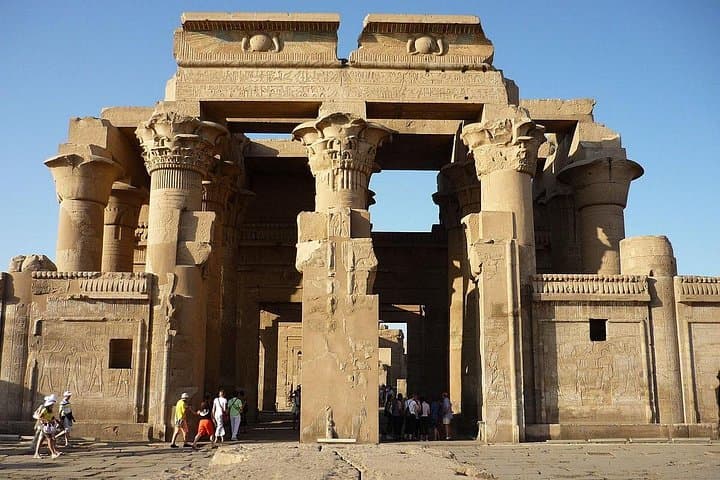
History sits on both banks. You’ll step into the colossal courtyards of Karnak and the axis-lined Luxor Temple, walk the near-intact hypostyle halls of Edfu devoted to Horus, and stand where Kom Ombo honors both Sobek and Horus. The itinerary finishes with Philae’s island sanctuary and a look at the modern engineering of the Aswan High Dam—ancient ritual and 20th-century hydro-politics in a single passage.
Geologically the river corridor is a ribbon of alluvial soil and exposed Nubian sandstone; culturally it’s a living corridor where Nubian villages, market towns and modern Aswan intersect. Expect short guided walks on uneven stone, cool shaded corridors inside temples and exposed sun on deck between stops.
Practicalities: bring layered sun protection, a sturdy pair of walking shoes for temple stones, and a refillable bottle—the boat provides water but shade and timing are key. Morning and late-afternoon visits skirt the heat; mid-day is best for siesta on board. Carry small bills for local guides and entrances. If you want relaxed riverside passage with concentrated ancient sites and minimal daily transfers, this route delivers—a compact, culturally rich Nile experience.
Most bookings include guided visits but not always entrance fees—confirm when booking; expect to pay for some tickets locally if not included.
The listing notes wheelchair accessibility for many areas, but temple sites often have steps and uneven surfaces—check operator specifics and ability to transfer from the boat.
Pick up from Luxor hotels, airport or train station is typical; the trip usually ends with drop-off in Aswan or transfer to Aswan Airport or hotels.
Cabins accommodate standard luggage; keep bags compact for easy transfers on and off the vessel and for carriage to shore visits.
Nile Prince Travel operates guided outdoor trips and adventures with an emphasis on safety, stewardship, and memorable experiences.

The sun slides down behind flat brown fields as your dahabiya—modern, air-conditioned and low-slung—glides past reed beds and the occasional felucca. On deck, the Nile widens into a glassy highway; minarets and distant palms punctuate the horizon. This 2-night cruise moves at the river’s unhurried pace, matching the slow cadence of temples built to last millennia.
The sun slides down behind flat brown fields as your dahabiya—modern, air-conditioned and low-slung—glides past reed beds and the occasional felucca. On deck, the Nile widens into a glassy highway; minarets and distant palms punctuate the horizon. This 2-night cruise moves at the river’s unhurried pace, matching the slow cadence of temples built to last millennia.
History sits on both banks. You’ll step into the colossal courtyards of Karnak and the axis-lined Luxor Temple, walk the near-intact hypostyle halls of Edfu devoted to Horus, and stand where Kom Ombo honors both Sobek and Horus. The itinerary finishes with Philae’s island sanctuary and a look at the modern engineering of the Aswan High Dam—ancient ritual and 20th-century hydro-politics in a single passage.
Geologically the river corridor is a ribbon of alluvial soil and exposed Nubian sandstone; culturally it’s a living corridor where Nubian villages, market towns and modern Aswan intersect. Expect short guided walks on uneven stone, cool shaded corridors inside temples and exposed sun on deck between stops.
Practicalities: bring layered sun protection, a sturdy pair of walking shoes for temple stones, and a refillable bottle—the boat provides water but shade and timing are key. Morning and late-afternoon visits skirt the heat; mid-day is best for siesta on board. Carry small bills for local guides and entrances. If you want relaxed riverside passage with concentrated ancient sites and minimal daily transfers, this route delivers—a compact, culturally rich Nile experience.