THE ADVENTURE COLLECTIVE® · Independent discovery and booking for outdoor travel
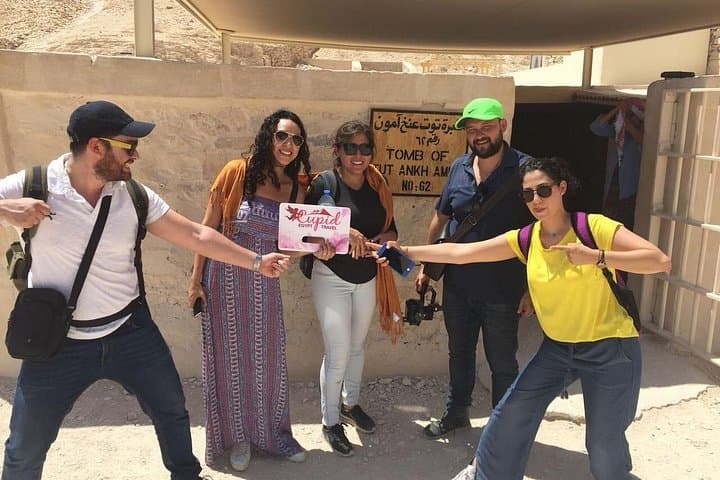
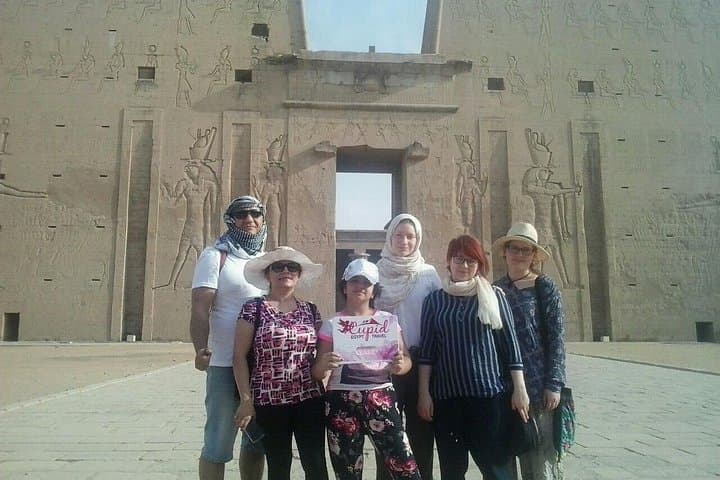
Spend three nights sailing the Nile between Luxor and Aswan, combining relaxed river time with guided visits to the Valley of the Kings, Karnak, Edfu, Kom Ombo and Philae. This itinerary pairs comfortable cruise accommodation with focused Egyptology-led shore excursions.
Spend three nights sailing the Nile between Luxor and Aswan, combining relaxed river time with guided visits to the Valley of the Kings, Karnak, Edfu, Kom Ombo and Philae. This itinerary pairs comfortable cruise accommodation with focused Egyptology-led shore excursions.
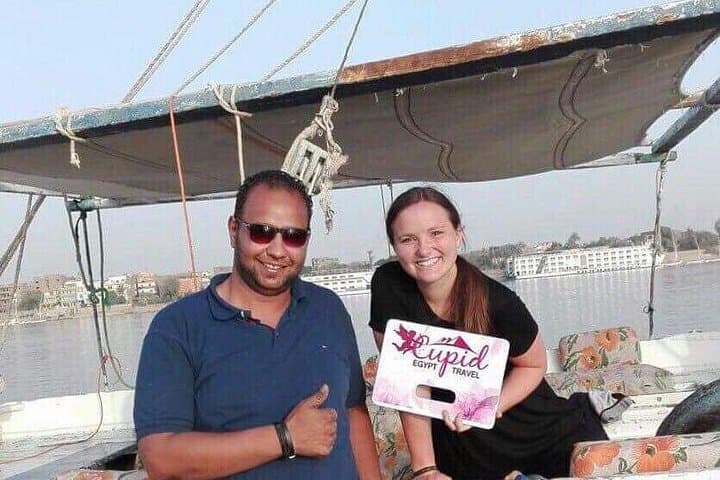
A slow morning mist lifts off the Nile as the cruise slips away from Luxor’s quayside—palm-lined fields sliding past windows while stone columns and distant minarets punctuate the horizon.
Verified experiences and guided adventures in the surrounding area.
Operated by Cupid EgypTravel · Luxor, Luxor Governorate
A slow morning mist lifts off the Nile as the cruise slips away from Luxor’s quayside—palm-lined fields sliding past windows while stone columns and distant minarets punctuate the horizon.
Over three nights the ship becomes both basecamp and vantage point: dawn visits to the Valley of the Kings and Hatshepsut’s terraced temple, midday walks through Karnak’s hypostyle forest, horse-and-carriage rides at Edfu, and sunset drinks on deck as the river carries the boat toward Kom Ombo and Aswan.
This corridor of Upper Egypt is geology and history in one: the Nile’s alluvial plain carved a fertile ribbon through Precambrian granite, creating islands and channels that shaped settlement for millennia. Luxor’s temples and tombs date mainly to the New Kingdom (c. 1550–1070 BCE); Aswan’s granite quarries supplied obelisks and statues that still anchor the landscape. Local culture remains tactile—tea served on sun decks, souk bargaining, and boatmen who read wind and current like weather reports.
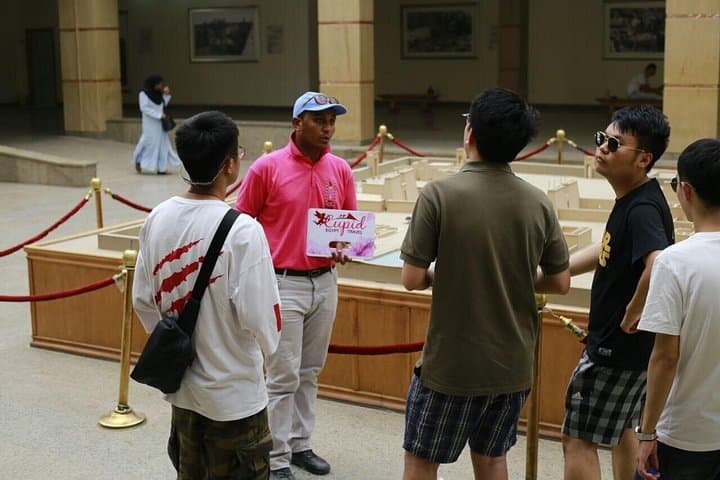
Practical edge: expect guided shore excursions with Egyptology commentary, timed entries at major sites, and stairs/uneven stone underfoot. Plan mornings for temples (cooler light, fewer people) and afternoons for relaxing on deck. Carry cash for tips and small purchases; keep a lightweight cover-up for temple dress codes and the evening breeze.
The trip balances low-impact travel on water with short, active shore visits—ideal for travelers who want concentrated archaeology, steady comfort, and riverfront rhythm.
The itinerary lists visits and an Egyptology guide; the program states that sites mentioned in the itinerary are included—confirm specifics at booking for any optional extras.
Yes—door-to-door transfers in Luxor and Aswan are included; disembarkation transfers to airport or train station are provided at the end of the cruise.
Yes; the operator accepts children but policies note children 6–11 may be charged at adult rates and stroller access is possible for infants on board.
Yes—both hot-air balloon rides and Abu Simbel excursions are available at extra cost and should be arranged in advance.
Cupid EgypTravel operates guided outdoor trips and adventures with an emphasis on safety, stewardship, and memorable experiences.
A slow morning mist lifts off the Nile as the cruise slips away from Luxor’s quayside—palm-lined fields sliding past windows while stone columns and distant minarets punctuate the horizon.
A slow morning mist lifts off the Nile as the cruise slips away from Luxor’s quayside—palm-lined fields sliding past windows while stone columns and distant minarets punctuate the horizon.
Over three nights the ship becomes both basecamp and vantage point: dawn visits to the Valley of the Kings and Hatshepsut’s terraced temple, midday walks through Karnak’s hypostyle forest, horse-and-carriage rides at Edfu, and sunset drinks on deck as the river carries the boat toward Kom Ombo and Aswan.
This corridor of Upper Egypt is geology and history in one: the Nile’s alluvial plain carved a fertile ribbon through Precambrian granite, creating islands and channels that shaped settlement for millennia. Luxor’s temples and tombs date mainly to the New Kingdom (c. 1550–1070 BCE); Aswan’s granite quarries supplied obelisks and statues that still anchor the landscape. Local culture remains tactile—tea served on sun decks, souk bargaining, and boatmen who read wind and current like weather reports.
Practical edge: expect guided shore excursions with Egyptology commentary, timed entries at major sites, and stairs/uneven stone underfoot. Plan mornings for temples (cooler light, fewer people) and afternoons for relaxing on deck. Carry cash for tips and small purchases; keep a lightweight cover-up for temple dress codes and the evening breeze.
The trip balances low-impact travel on water with short, active shore visits—ideal for travelers who want concentrated archaeology, steady comfort, and riverfront rhythm.
