THE ADVENTURE COLLECTIVE® · Independent discovery and booking for outdoor travel

Drift from Luxor to Aswan aboard a five-star Nile cruise that pairs relaxed river days with guided visits to Egypt's most iconic temples and tombs. Expect sunrise temple light, desert-framed riverbanks, and effortless access to Karnak, the Valley of the Kings, Edfu and Philae.
Drift from Luxor to Aswan aboard a five-star Nile cruise that pairs relaxed river days with guided visits to Egypt's most iconic temples and tombs. Expect sunrise temple light, desert-framed riverbanks, and effortless access to Karnak, the Valley of the Kings, Edfu and Philae.
The sun lifts off the desert and the Nile wakes like a slow-moving thought; the cruise slips away from Luxor and the river begins to write the itinerary. Deck chairs fill with quiet travelers watching farmers work the narrow green ribbon of the floodplain while sandstone cliffs hold the horizon. Early mornings bring temple silhouettes; late afternoons, a warm, shallow light that presses reliefs into sharp relief.
Verified experiences and guided adventures in the surrounding area.
Operated by Nile Holiday · Luxor, Luxor Governorate
The sun lifts off the desert and the Nile wakes like a slow-moving thought; the cruise slips away from Luxor and the river begins to write the itinerary. Deck chairs fill with quiet travelers watching farmers work the narrow green ribbon of the floodplain while sandstone cliffs hold the horizon. Early mornings bring temple silhouettes; late afternoons, a warm, shallow light that presses reliefs into sharp relief.
This route threads 5,000 years of Egyptian history: New Kingdom tombs in the Valley of the Kings, the colonnades of Karnak, the terraced temple of Hatshepsut, and Ptolemaic stonework at Edfu and Kom Ombo. Geologically, the Nile here carves a corridor between arid plateaus and fertile banks, concentrating settlements and monuments where wasters were once managed and crops irrigated. Culturally, expect layered influences — Pharaonic, Greco-Roman, Coptic and Islamic — and a living river economy of fishermen and farmers.
Practically, the cruise balances gentle transit days with guided shore excursions. Plan temple visits in the early morning or late afternoon to avoid heat and crowds. Bring sun protection, modest clothing for religious sites, and a lightweight daypack for shore walks. Hydrate frequently: the sun and reflection off the water will dry you quicker than you expect.
Onboard life is low-impact movement: meals, briefings, and short coach transfers to sites. If you like quiet mornings, photograph temple façades at sunrise from the sun deck; if you prefer pace, use the afternoons to read or watch river life go by. This trip is primarily a sightseeing cruise—rich in history, easy on exertion, and heavy on long, memorable vistas.
Yes — the itinerary includes entrance fees to the listed sites and English-speaking guides during excursions as described in the itinerary.
Most travelers require a visa; check your nationality's requirements and secure a visa in advance or obtain one on arrival where available, ensuring six months' passport validity.
Basic mobility is required to board tenders and navigate temple steps; notify the operator ahead of time about mobility needs so they can assist where possible.
Yes — Abu Simbel is commonly available as an optional tour by road or plane from Aswan and can be arranged through the operator.
Nile Holiday operates guided outdoor trips and adventures with an emphasis on safety, stewardship, and memorable experiences.
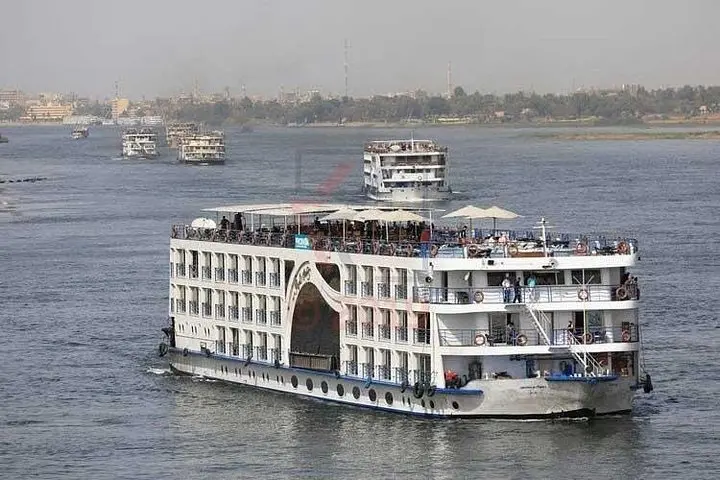
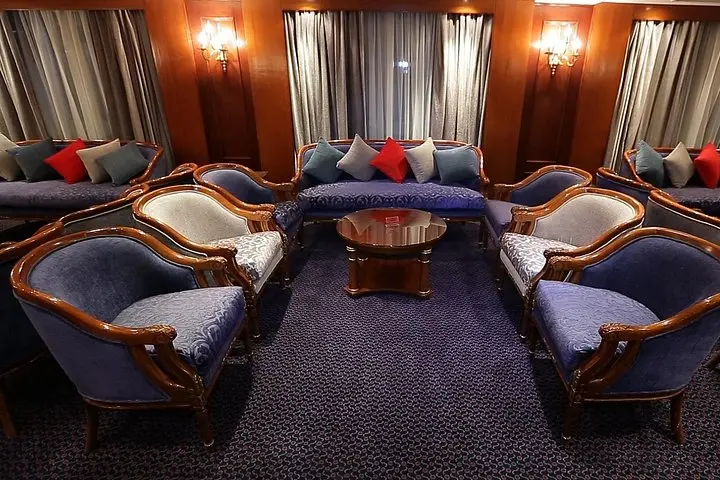
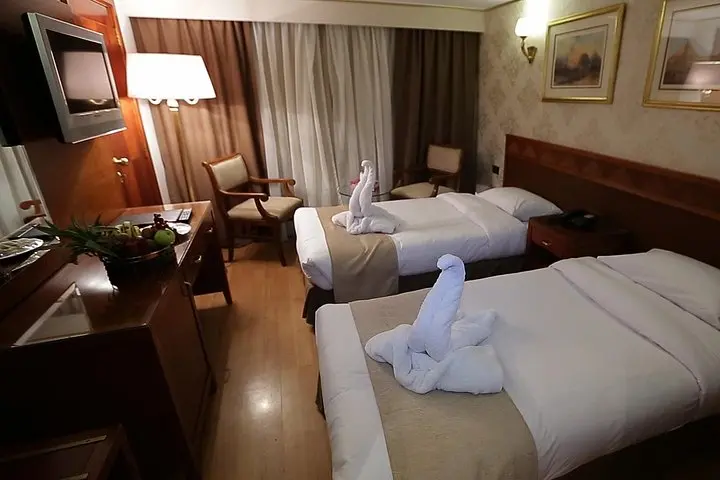
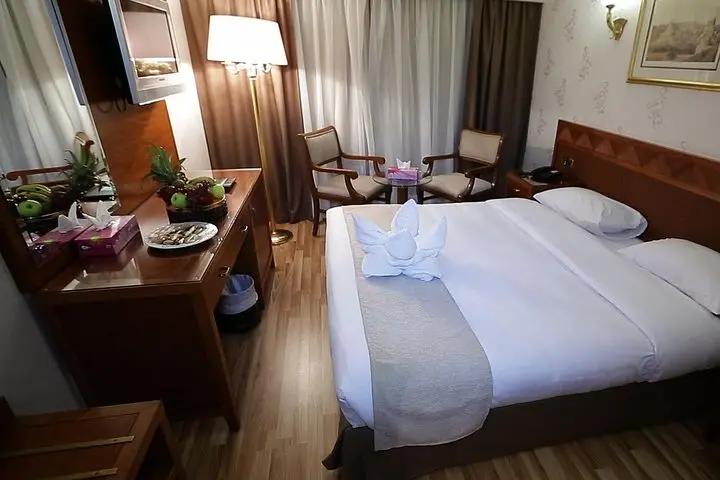
The sun lifts off the desert and the Nile wakes like a slow-moving thought; the cruise slips away from Luxor and the river begins to write the itinerary. Deck chairs fill with quiet travelers watching farmers work the narrow green ribbon of the floodplain while sandstone cliffs hold the horizon. Early mornings bring temple silhouettes; late afternoons, a warm, shallow light that presses reliefs into sharp relief.
The sun lifts off the desert and the Nile wakes like a slow-moving thought; the cruise slips away from Luxor and the river begins to write the itinerary. Deck chairs fill with quiet travelers watching farmers work the narrow green ribbon of the floodplain while sandstone cliffs hold the horizon. Early mornings bring temple silhouettes; late afternoons, a warm, shallow light that presses reliefs into sharp relief.
This route threads 5,000 years of Egyptian history: New Kingdom tombs in the Valley of the Kings, the colonnades of Karnak, the terraced temple of Hatshepsut, and Ptolemaic stonework at Edfu and Kom Ombo. Geologically, the Nile here carves a corridor between arid plateaus and fertile banks, concentrating settlements and monuments where wasters were once managed and crops irrigated. Culturally, expect layered influences — Pharaonic, Greco-Roman, Coptic and Islamic — and a living river economy of fishermen and farmers.
Practically, the cruise balances gentle transit days with guided shore excursions. Plan temple visits in the early morning or late afternoon to avoid heat and crowds. Bring sun protection, modest clothing for religious sites, and a lightweight daypack for shore walks. Hydrate frequently: the sun and reflection off the water will dry you quicker than you expect.
Onboard life is low-impact movement: meals, briefings, and short coach transfers to sites. If you like quiet mornings, photograph temple façades at sunrise from the sun deck; if you prefer pace, use the afternoons to read or watch river life go by. This trip is primarily a sightseeing cruise—rich in history, easy on exertion, and heavy on long, memorable vistas.