THE ADVENTURE COLLECTIVE® · Independent discovery and booking for outdoor travel

Float downstream through millennia: this five-day Nile cruise from Luxor to Aswan pairs daily temple visits with onboard comfort and a private Egyptologist. Expect early starts, steady sightseeing, and an intimate way to read ancient Egypt along the river.
Float downstream through millennia: this five-day Nile cruise from Luxor to Aswan pairs daily temple visits with onboard comfort and a private Egyptologist. Expect early starts, steady sightseeing, and an intimate way to read ancient Egypt along the river.
The Nile slips by like a slow, dark ribbon as the sun climbs, and the cruise berths unwind into a sequence of temples and sandstone rises—Karnak’s columned forests, the carved faces of the Valley of the Kings, the compact reliefs of Edfu and Kom Ombo, and the island-located Philae framed by Aswan’s granite.
Verified experiences and guided adventures in the surrounding area.
Operated by Hesham Egypt tour guide · Luxor, Luxor Governorate
The Nile slips by like a slow, dark ribbon as the sun climbs, and the cruise berths unwind into a sequence of temples and sandstone rises—Karnak’s columned forests, the carved faces of the Valley of the Kings, the compact reliefs of Edfu and Kom Ombo, and the island-located Philae framed by Aswan’s granite.
This five-day, four-night itinerary threads modern river travel through three millennia of human enterprise. The Karnak and Luxor complexes reflect New Kingdom temple-building; the Valley of the Kings shelters royal tombs cut into limestone; Kom Ombo and Edfu preserve Ptolemaic and Graeco-Roman ritual architecture. Geologically, the Nile’s floodplain carves a fertile corridor through Precambrian granite outcrops around Aswan, giving rise to the quarrying that supplied obelisks and colossi.
Onboard life is practical — daytime excursions, lunch and dinner on the boat, and evenings spent in small port towns. A private Egyptologist will guide visits and place monuments in historical context, while transfers and most meals are included in the package.
Practical guidance: start mornings early to avoid heat and crowds; wear closed-toe walking shoes with good grip for uneven temple steps; bring sun protection and refillable water bottles; carry passport copies and small local currency for entry tickets, tips and optional excursions. Expect short bus transfers, stair-climbing at archaeological sites, and basic cruise accommodation with river views. For those curious about optional add-ons, Abu Simbel is a long day trip but rewarding — plan it into travel buffers and verify air or road logistics in advance.
Typical inclusions are airport/hotel/cruise transfers, 4 nights on a Nile cruise, daily meals on the vessel, a private Egyptologist, driver and vehicle for land visits; optional excursions (like Abu Simbel) may cost extra.
Most nationalities must have a valid passport and obtain an Egyptian visa; rules change, so check your embassy or the operator’s guidance and carry passport photocopies during excursions.
The itinerary is generally easy but involves stairs on boats and at archaeological sites; contact the operator ahead to discuss wheelchair access and any needed assistance.
Tipping is customary—plan modest sums per day for the guide, driver and cruise crew; carry small bills in local currency for convenience.
Hesham Egypt tour guide operates guided outdoor trips and adventures with an emphasis on safety, stewardship, and memorable experiences.
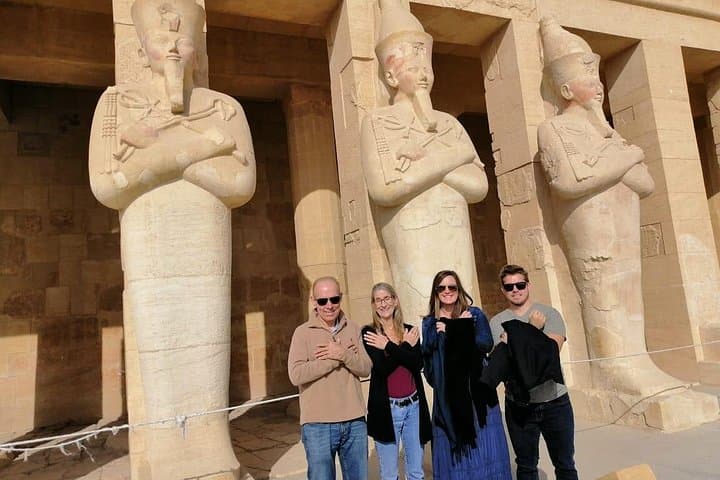
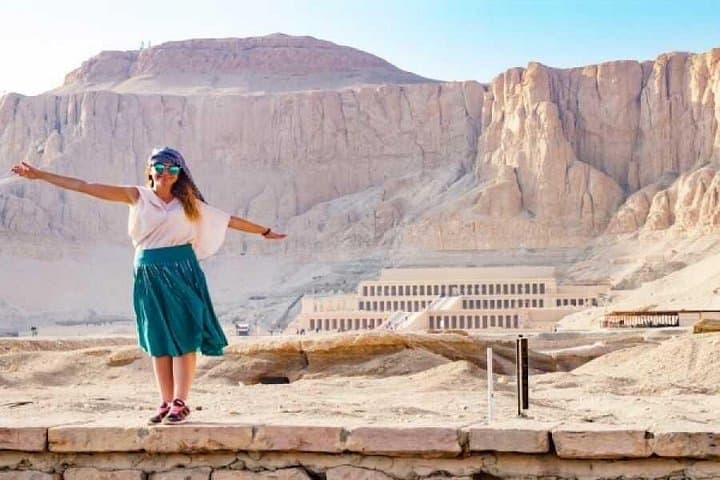
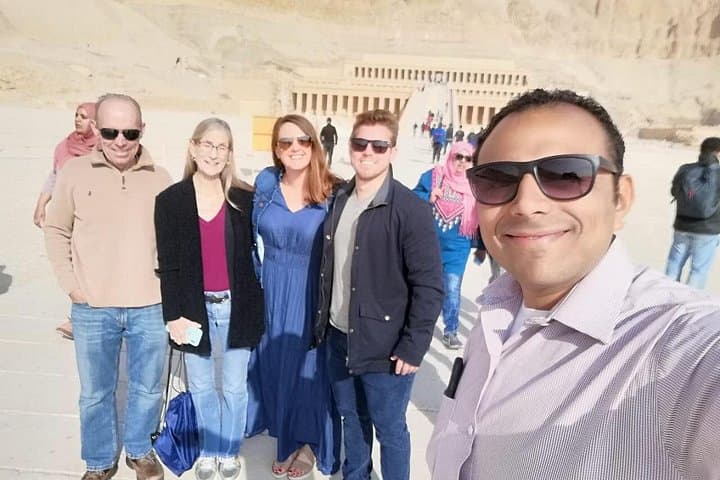
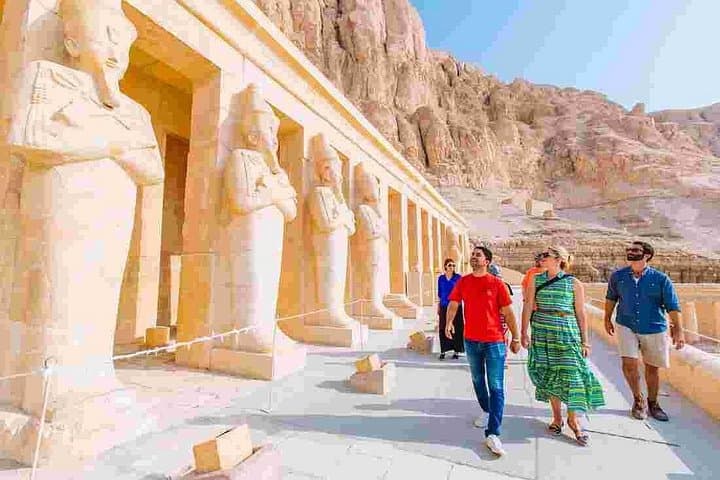
The Nile slips by like a slow, dark ribbon as the sun climbs, and the cruise berths unwind into a sequence of temples and sandstone rises—Karnak’s columned forests, the carved faces of the Valley of the Kings, the compact reliefs of Edfu and Kom Ombo, and the island-located Philae framed by Aswan’s granite.
The Nile slips by like a slow, dark ribbon as the sun climbs, and the cruise berths unwind into a sequence of temples and sandstone rises—Karnak’s columned forests, the carved faces of the Valley of the Kings, the compact reliefs of Edfu and Kom Ombo, and the island-located Philae framed by Aswan’s granite.
This five-day, four-night itinerary threads modern river travel through three millennia of human enterprise. The Karnak and Luxor complexes reflect New Kingdom temple-building; the Valley of the Kings shelters royal tombs cut into limestone; Kom Ombo and Edfu preserve Ptolemaic and Graeco-Roman ritual architecture. Geologically, the Nile’s floodplain carves a fertile corridor through Precambrian granite outcrops around Aswan, giving rise to the quarrying that supplied obelisks and colossi.
Onboard life is practical — daytime excursions, lunch and dinner on the boat, and evenings spent in small port towns. A private Egyptologist will guide visits and place monuments in historical context, while transfers and most meals are included in the package.
Practical guidance: start mornings early to avoid heat and crowds; wear closed-toe walking shoes with good grip for uneven temple steps; bring sun protection and refillable water bottles; carry passport copies and small local currency for entry tickets, tips and optional excursions. Expect short bus transfers, stair-climbing at archaeological sites, and basic cruise accommodation with river views. For those curious about optional add-ons, Abu Simbel is a long day trip but rewarding — plan it into travel buffers and verify air or road logistics in advance.