THE ADVENTURE COLLECTIVE® · Independent discovery and booking for outdoor travel

Cruise five days down the Nile from Luxor to Aswan, visiting Karnak, the Valley of the Kings, Edfu, Kom Ombo and Philae while staying aboard a 5-star cruise boat. This itinerary blends guided temple tours with relaxed river travel and onboard comforts.
Cruise five days down the Nile from Luxor to Aswan, visiting Karnak, the Valley of the Kings, Edfu, Kom Ombo and Philae while staying aboard a 5-star cruise boat. This itinerary blends guided temple tours with relaxed river travel and onboard comforts.
The deck smells of teak and black tea as the felucca-studded Nile glides past villages, sugarcane fields and low, sun-bleached banks. You step from a shaded promenade on a five-star cruise boat into a current that has carried traders, farmers and pharaohs for millennia — this is travel paced by river, with ancient stone monuments arriving like scheduled companions.
Verified experiences and guided adventures in the surrounding area.
Operated by Best Of Egypt Tours · Luxor, Luxor Governorate
The deck smells of teak and black tea as the felucca-studded Nile glides past villages, sugarcane fields and low, sun-bleached banks. You step from a shaded promenade on a five-star cruise boat into a current that has carried traders, farmers and pharaohs for millennia — this is travel paced by river, with ancient stone monuments arriving like scheduled companions.
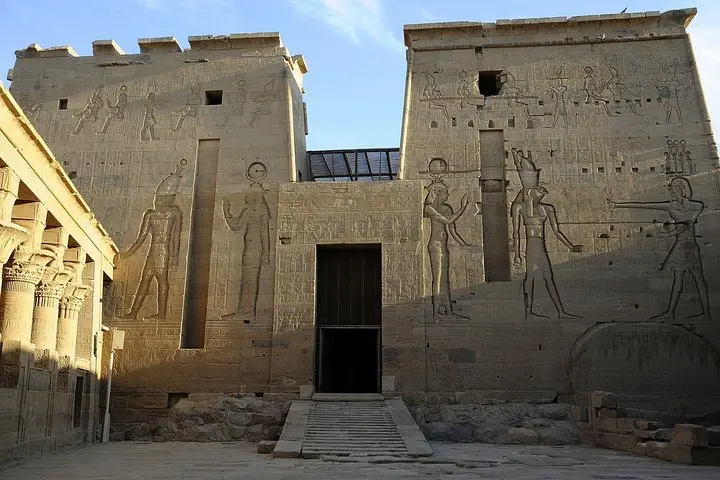
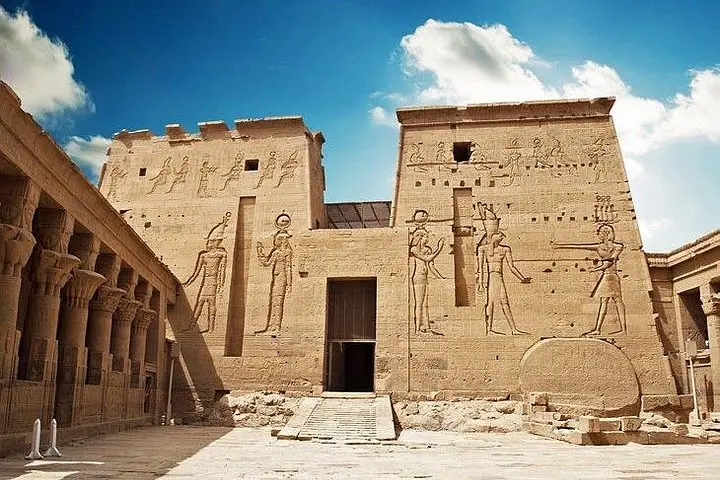
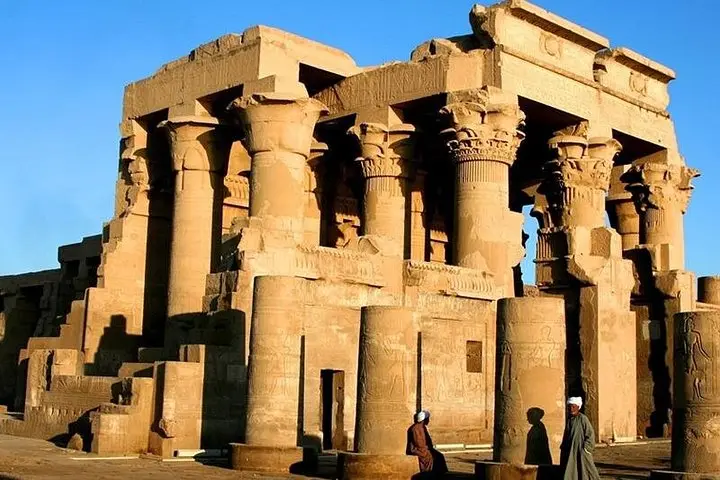
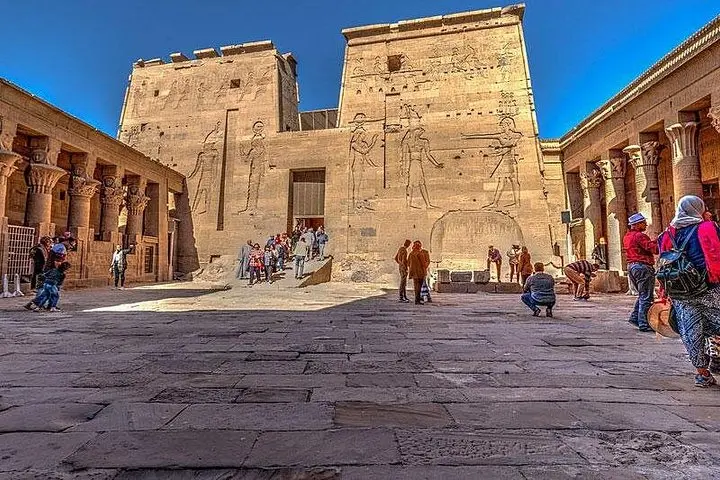
The itinerary threads major Pharaonic sites: the tombs of the Valley of the Kings and the mortuary temple of Hatshepsut on Luxor’s West Bank, the towering pylons of Karnak and Luxor Temples, the Ptolemaic temple of Horus at Edfu, Kom Ombo’s dual temples to Sobek and Haroeris, and Philae’s island shrine to Isis near Aswan. Geologically the Nile corridor is a soft alluvial plain carved by seasonal floods; culturally it’s a living junction between Nubian traditions and Millennia-old Egyptian civilization.
Practicalities are straightforward: expect light-to-moderate walking on uneven stone and sandy paths, boat transfers to some temple sites, and multiple short guided tours each day. Carry a small daypack for water, sunscreen and important documents, and plan excursions for early morning or late afternoon to avoid peak heat. Mobility needs are generally accommodated on modern cruise boats, but ask about specific vessel access if you use a wheelchair.
Timing, hydration and respectful behavior at religious sites will make your trip smoother. Freshly prepared onboard meals and evening cultural shows round out days packed with archaeology, river views and the steady rhythm of the Nile beneath your hull.
Most cruise itineraries include guided tours but entrance fees vary; confirm with the operator whether site tickets are included or paid locally.
Many modern Nile cruise boats offer wheelchair access and accommodations, but accessibility varies — request specifics and confirm boarding arrangements when booking.
Yes — flights or land transfers to Abu Simbel can often be arranged as an optional extra; it requires additional time and sometimes another day, so book in advance.
Activity includes short walks, stair climbs at temples, and boarding small boats; basic mobility is sufficient but bring comfortable shoes and pace yourself in the heat.
Best Of Egypt Tours operates guided outdoor trips and adventures with an emphasis on safety, stewardship, and memorable experiences.
The deck smells of teak and black tea as the felucca-studded Nile glides past villages, sugarcane fields and low, sun-bleached banks. You step from a shaded promenade on a five-star cruise boat into a current that has carried traders, farmers and pharaohs for millennia — this is travel paced by river, with ancient stone monuments arriving like scheduled companions.
The deck smells of teak and black tea as the felucca-studded Nile glides past villages, sugarcane fields and low, sun-bleached banks. You step from a shaded promenade on a five-star cruise boat into a current that has carried traders, farmers and pharaohs for millennia — this is travel paced by river, with ancient stone monuments arriving like scheduled companions.
The itinerary threads major Pharaonic sites: the tombs of the Valley of the Kings and the mortuary temple of Hatshepsut on Luxor’s West Bank, the towering pylons of Karnak and Luxor Temples, the Ptolemaic temple of Horus at Edfu, Kom Ombo’s dual temples to Sobek and Haroeris, and Philae’s island shrine to Isis near Aswan. Geologically the Nile corridor is a soft alluvial plain carved by seasonal floods; culturally it’s a living junction between Nubian traditions and Millennia-old Egyptian civilization.
Practicalities are straightforward: expect light-to-moderate walking on uneven stone and sandy paths, boat transfers to some temple sites, and multiple short guided tours each day. Carry a small daypack for water, sunscreen and important documents, and plan excursions for early morning or late afternoon to avoid peak heat. Mobility needs are generally accommodated on modern cruise boats, but ask about specific vessel access if you use a wheelchair.
Timing, hydration and respectful behavior at religious sites will make your trip smoother. Freshly prepared onboard meals and evening cultural shows round out days packed with archaeology, river views and the steady rhythm of the Nile beneath your hull.