THE ADVENTURE COLLECTIVE® · Independent discovery and booking for outdoor travel

Glide between Luxor and Aswan aboard a private dahabiya for five nights of temples, quarries, and river life. This intimate cruise pairs expert Egyptology with slow travel—ideal for travelers who want close encounters with Ancient Egypt and the Nile’s quieter shores.
Glide between Luxor and Aswan aboard a private dahabiya for five nights of temples, quarries, and river life. This intimate cruise pairs expert Egyptology with slow travel—ideal for travelers who want close encounters with Ancient Egypt and the Nile’s quieter shores.
You step onto a low-slung dahabiya as dawn splits the desert light—oars dip quietly, the Nile carries the boat like a patient host, and palm-lined banks slide past with the soft certainty of a story retold.
Verified experiences and guided adventures in the surrounding area.
Operated by Alista Tours · Luxor, Luxor Governorate
You step onto a low-slung dahabiya as dawn splits the desert light—oars dip quietly, the Nile carries the boat like a patient host, and palm-lined banks slide past with the soft certainty of a story retold.
This five-night voyage follows a route Egyptians have used for millennia: starting in Luxor with the Valley of the Kings and Karnak’s forest of columns, drifting past Edfu and the Ptolemaic sanctuary of Horus, pausing at the twin shrines of Kom Ombo, and anchoring beneath the sandstone scars of Gebel el-Silsila. Geology writes itself along the route—limestone cliffs, Nubian sandstone quarries, and the Nile’s fertile ribbon that carved an agricultural plain into the desert.
Culturally, the trip balances living river communities and monumental history. A licensed Egyptologist decodes hieroglyphs and funerary beliefs while local markets and an alabaster workshop show crafts that survive by the water’s edge. Evenings are practical: soft light, starry skies, and conversations about flood cycles, pharaonic logistics, and the 20th‑century reshaping of the river at Aswan High Dam.
Practical guidance: travel with your passport and printed tickets, plan early-morning visits to avoid heat, and carry cash for small purchases and tips. Footwear should be stable for temple steps and sandy banks; sun protection is non-negotiable. Meals and most transfers are included, but archaeological sites have stairs and uneven surfaces—move deliberately and allow time to listen to your guide. A dahabiya offers a slow, intimate pace—bring curiosity and a willingness to trade speed for depth.
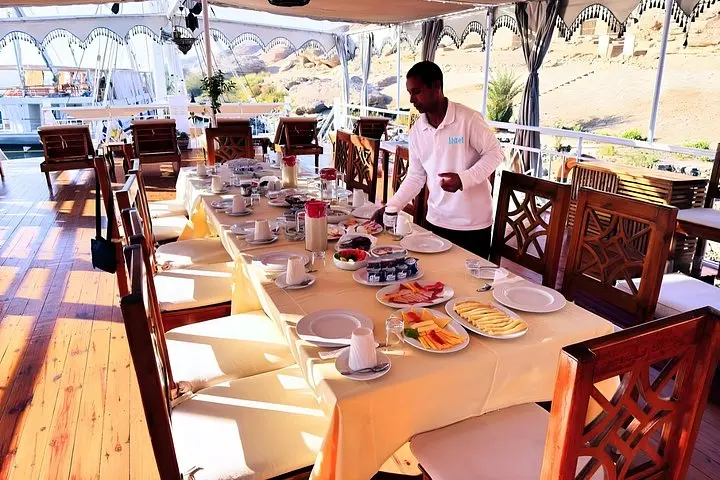
Yes—full board is provided with breakfast, lunch and dinner included during the five‑night cruise; drinks with meals are typically covered as specified in your booking.
The itinerary is classified as easy and suits a broad range of ages, but shore excursions include stairs and uneven ground—consider mobility limitations before booking.
Many nationalities require a visa; check Egypt’s current visa rules before travel and carry passport details for booking questions.
Optional private transfers back to Luxor can be arranged for an additional cost—confirm when booking if you prefer a round trip.
Alista Tours operates guided outdoor trips and adventures with an emphasis on safety, stewardship, and memorable experiences.
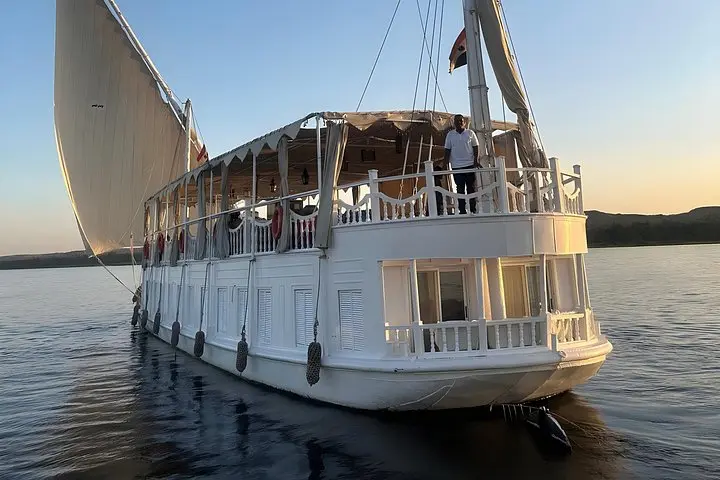
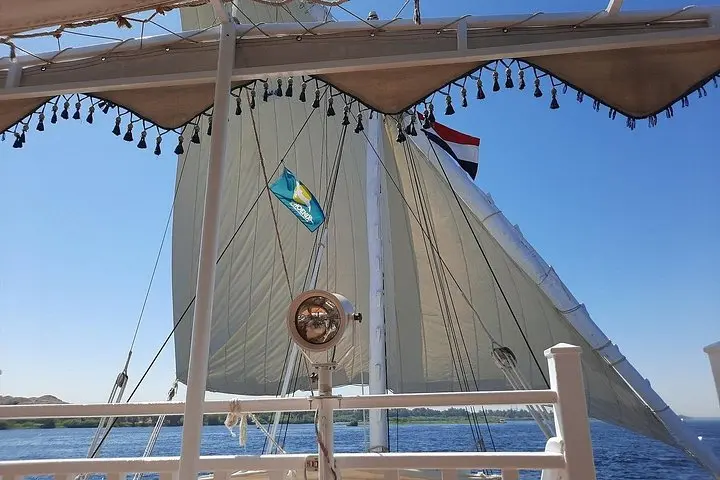
You step onto a low-slung dahabiya as dawn splits the desert light—oars dip quietly, the Nile carries the boat like a patient host, and palm-lined banks slide past with the soft certainty of a story retold.
You step onto a low-slung dahabiya as dawn splits the desert light—oars dip quietly, the Nile carries the boat like a patient host, and palm-lined banks slide past with the soft certainty of a story retold.
This five-night voyage follows a route Egyptians have used for millennia: starting in Luxor with the Valley of the Kings and Karnak’s forest of columns, drifting past Edfu and the Ptolemaic sanctuary of Horus, pausing at the twin shrines of Kom Ombo, and anchoring beneath the sandstone scars of Gebel el-Silsila. Geology writes itself along the route—limestone cliffs, Nubian sandstone quarries, and the Nile’s fertile ribbon that carved an agricultural plain into the desert.
Culturally, the trip balances living river communities and monumental history. A licensed Egyptologist decodes hieroglyphs and funerary beliefs while local markets and an alabaster workshop show crafts that survive by the water’s edge. Evenings are practical: soft light, starry skies, and conversations about flood cycles, pharaonic logistics, and the 20th‑century reshaping of the river at Aswan High Dam.
Practical guidance: travel with your passport and printed tickets, plan early-morning visits to avoid heat, and carry cash for small purchases and tips. Footwear should be stable for temple steps and sandy banks; sun protection is non-negotiable. Meals and most transfers are included, but archaeological sites have stairs and uneven surfaces—move deliberately and allow time to listen to your guide. A dahabiya offers a slow, intimate pace—bring curiosity and a willingness to trade speed for depth.