THE ADVENTURE COLLECTIVE® · Independent discovery and booking for outdoor travel

Float downstream through Egypt’s living museum on this 3-night, 4-day Nile cruise from Luxor to Aswan. Visit the Valley of the Kings, Karnak, Edfu, Kom Ombo and Philae while enjoying onboard meals and guided shore excursions.
Float downstream through Egypt’s living museum on this 3-night, 4-day Nile cruise from Luxor to Aswan. Visit the Valley of the Kings, Karnak, Edfu, Kom Ombo and Philae while enjoying onboard meals and guided shore excursions.
The Nile flows like a slow-moving map of human history — you step aboard in Luxor as stone and sand recede and the river takes over, guiding you past mudbrick villages, palm-fringed islands and the temples that once drew pharaohs to its banks.
Verified experiences and guided adventures in the surrounding area.
Operated by Real Life Egypt · Luxor, Luxor Governorate
The Nile flows like a slow-moving map of human history — you step aboard in Luxor as stone and sand recede and the river takes over, guiding you past mudbrick villages, palm-fringed islands and the temples that once drew pharaohs to its banks.
This 3-night, 4-day cruise stitches together the region’s essentials: the Valley of the Kings and Mortuary Temple of Hatshepsut on Luxor’s West Bank, the colossal pylons of Karnak and Luxor Temples on the East Bank, the Ptolemaic Temple of Horus at Edfu, Kom Ombo’s double sanctuary, and Philae near Aswan. Geologically simple — a Nile valley carved through sedimentary rock — the landscape’s drama comes from human imprint: millennia of stonework, reliefs and canal engineering that turned annual floods into agricultural stability.
Culture here is tactile: temple reliefs narrate gods and rulership, markets hum with spice and cloth, and Nubian communities in the Aswan area maintain distinct crafts and houses painted in bold color.
Practical guidance: travel early to avoid midday heat, bring a lightweight long-sleeve for sun and temple dress codes, and allow time for short boat transfers (Philae is boat-access only). Expect gentle daily walks of a few kilometers on uneven stone floors and stairways; stair-stepped tombs and temple ramps reward patience with vaulted chambers and reliefs.
Plan for sun protection, bottled water, modest clothing for religious sites, and a flexible schedule — the Nile’s pace is deliberate, and that unhurried rhythm is part of the experience.
The cruise description indicates entrance fees are included for the main sites listed, but confirm this for any optional excursions like Abu Simbel.
Yes — Philae is part of the itinerary and is reached by a short motorboat transfer from Aswan.
Yes; the tour lists family-friendly services but minors must be accompanied by adults and some sites have staircases or narrow tomb passages.
Most nationalities require a visa to enter Egypt—check current visa rules and ensure your passport has sufficient validity before travel.
Real Life Egypt operates guided outdoor trips and adventures with an emphasis on safety, stewardship, and memorable experiences.
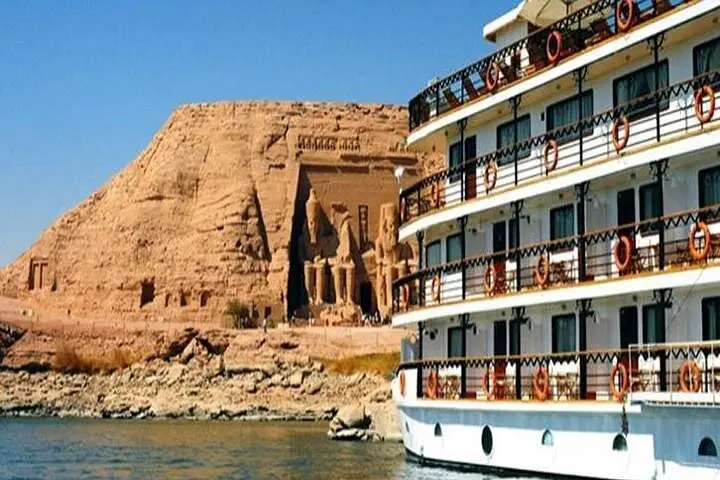
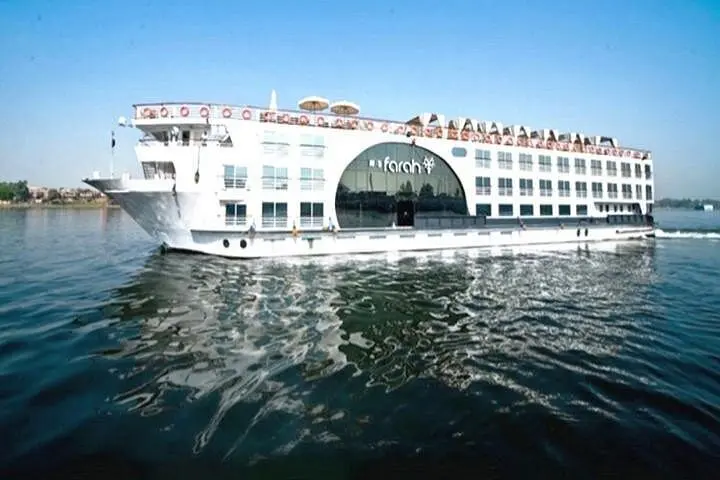
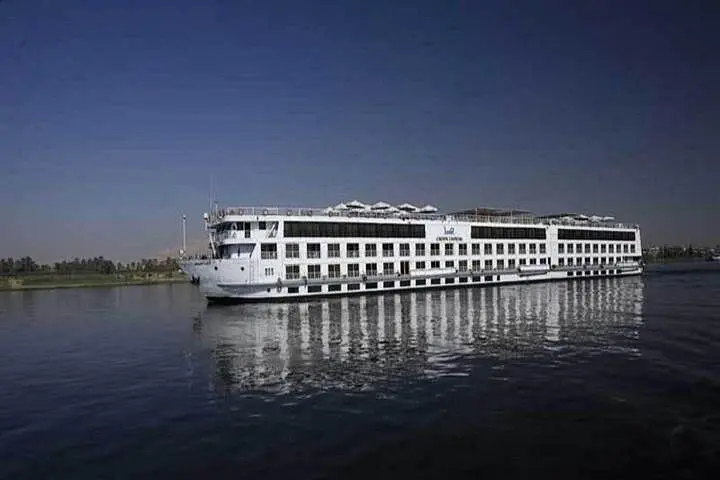
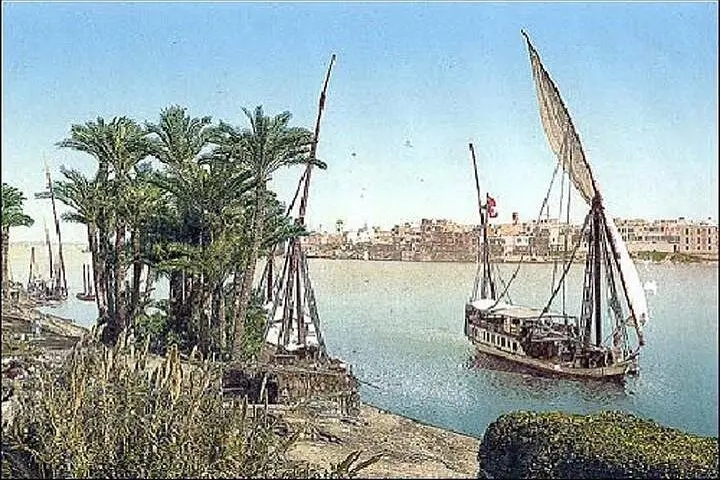
The Nile flows like a slow-moving map of human history — you step aboard in Luxor as stone and sand recede and the river takes over, guiding you past mudbrick villages, palm-fringed islands and the temples that once drew pharaohs to its banks.
The Nile flows like a slow-moving map of human history — you step aboard in Luxor as stone and sand recede and the river takes over, guiding you past mudbrick villages, palm-fringed islands and the temples that once drew pharaohs to its banks.
This 3-night, 4-day cruise stitches together the region’s essentials: the Valley of the Kings and Mortuary Temple of Hatshepsut on Luxor’s West Bank, the colossal pylons of Karnak and Luxor Temples on the East Bank, the Ptolemaic Temple of Horus at Edfu, Kom Ombo’s double sanctuary, and Philae near Aswan. Geologically simple — a Nile valley carved through sedimentary rock — the landscape’s drama comes from human imprint: millennia of stonework, reliefs and canal engineering that turned annual floods into agricultural stability.
Culture here is tactile: temple reliefs narrate gods and rulership, markets hum with spice and cloth, and Nubian communities in the Aswan area maintain distinct crafts and houses painted in bold color.
Practical guidance: travel early to avoid midday heat, bring a lightweight long-sleeve for sun and temple dress codes, and allow time for short boat transfers (Philae is boat-access only). Expect gentle daily walks of a few kilometers on uneven stone floors and stairways; stair-stepped tombs and temple ramps reward patience with vaulted chambers and reliefs.
Plan for sun protection, bottled water, modest clothing for religious sites, and a flexible schedule — the Nile’s pace is deliberate, and that unhurried rhythm is part of the experience.