THE ADVENTURE COLLECTIVE® · Independent discovery and booking for outdoor travel

Drift between Luxor and Aswan on a four-night Nile cruise that pairs relaxed river travel with expert-led visits to Karnak, the Valley of the Kings, Kom Ombo, Edfu and Philae. Expect comfortable onboard amenities, full-board meals and daily guided shore excursions timed to seasonal river conditions.
Drift between Luxor and Aswan on a four-night Nile cruise that pairs relaxed river travel with expert-led visits to Karnak, the Valley of the Kings, Kom Ombo, Edfu and Philae. Expect comfortable onboard amenities, full-board meals and daily guided shore excursions timed to seasonal river conditions.
You wake to the slow slap of river against hull and a thin gold line on the horizon as the Nile eases past palm groves and sun-browned mud-brick villages. On deck, the river unfurls its history—sandstone cliffs, islands rimmed in papyrus and the occasional felucca that seems to drift through time.
Verified experiences and guided adventures in the surrounding area.
Operated by Look at Egypt Tours · Luxor, Luxor Governorate
You wake to the slow slap of river against hull and a thin gold line on the horizon as the Nile eases past palm groves and sun-browned mud-brick villages. On deck, the river unfurls its history—sandstone cliffs, islands rimmed in papyrus and the occasional felucca that seems to drift through time.
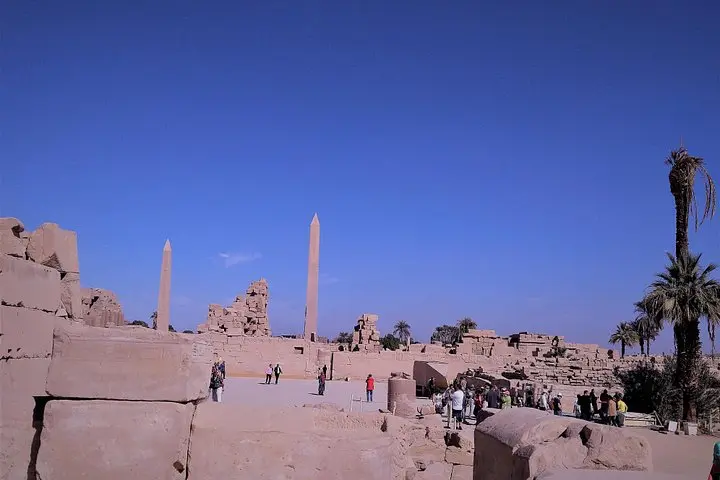
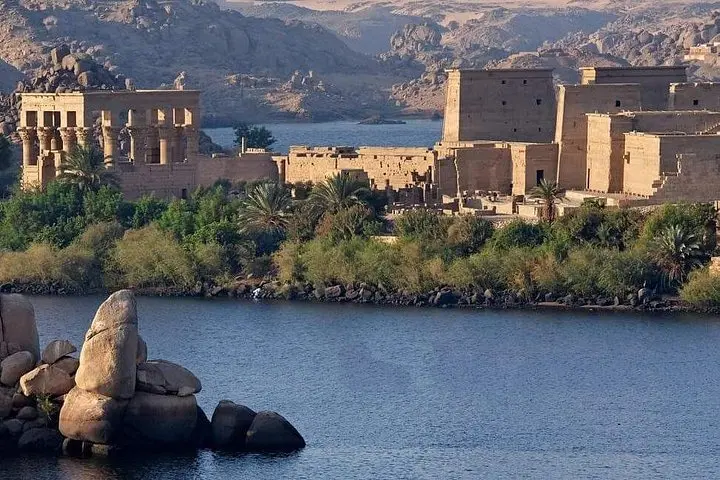
This four-night Luxor-to-Aswan cruise combines relaxed river travel with guided visits to some of Egypt’s most important temples: Karnak and Luxor on the east bank, the Valley of the Kings and Hatshepsut’s mortuary on the west, the dual temple of Kom Ombo, the well-preserved temple at Edfu, and the rescued monuments of Philae near Aswan. Geologically the route follows the Nile’s fertile alluvial ribbon carved through limestone and sandstone; culturally it’s the corridor that supported millennia of Pharaonic civilization and Nubian communities.
Expect daily shore excursions led by a qualified Egyptologist, climate-controlled transfers, and full-board meals aboard a five-star vessel. Water level variations and the Aswan High Dam’s presence mean operators adjust schedules seasonally, and many sites have restricted access or rotating openings to protect fragile tomb art.
Practical guidance: bring sun protection, light layers for cool evenings, comfortable closed-toe shoes for temple steps and uneven ground, and a small daypack for onshore walks. Keep copies of travel documents and expect short group walks at archaeological sites; most activities are low-impact physically but can involve heat and crowds. Plan to move at the Nile’s pace—unhurried, historically dense, and inherently transportive.
Most nationalities require an Egyptian visa; check entry requirements before travel and arrange visas in advance or on arrival where available.
The cruise and transport are wheelchair accessible, but many ancient sites have uneven surfaces and steps—access varies by site and may limit full access.
Tipping is customary for guides, drivers and crew; bring small bills in local currency and follow your guide’s recommendations for customary amounts.
Yes—water levels and operational considerations can alter the order of visits or timings; operators typically adjust routes while preserving core site visits.
Look at Egypt Tours operates guided outdoor trips and adventures with an emphasis on safety, stewardship, and memorable experiences.
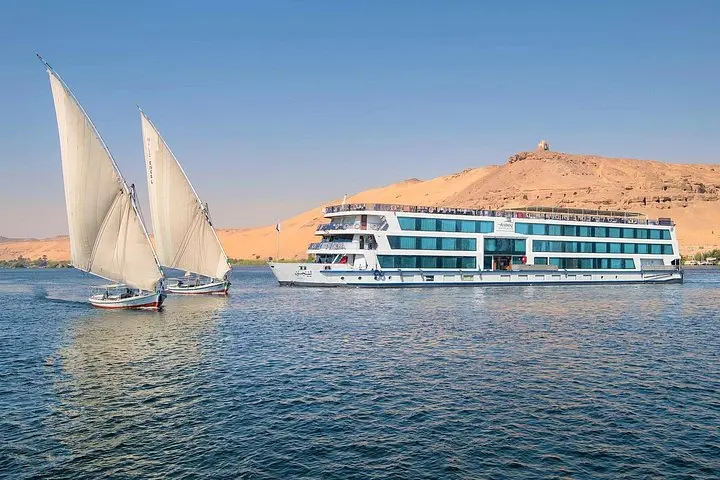
You wake to the slow slap of river against hull and a thin gold line on the horizon as the Nile eases past palm groves and sun-browned mud-brick villages. On deck, the river unfurls its history—sandstone cliffs, islands rimmed in papyrus and the occasional felucca that seems to drift through time.
You wake to the slow slap of river against hull and a thin gold line on the horizon as the Nile eases past palm groves and sun-browned mud-brick villages. On deck, the river unfurls its history—sandstone cliffs, islands rimmed in papyrus and the occasional felucca that seems to drift through time.
This four-night Luxor-to-Aswan cruise combines relaxed river travel with guided visits to some of Egypt’s most important temples: Karnak and Luxor on the east bank, the Valley of the Kings and Hatshepsut’s mortuary on the west, the dual temple of Kom Ombo, the well-preserved temple at Edfu, and the rescued monuments of Philae near Aswan. Geologically the route follows the Nile’s fertile alluvial ribbon carved through limestone and sandstone; culturally it’s the corridor that supported millennia of Pharaonic civilization and Nubian communities.
Expect daily shore excursions led by a qualified Egyptologist, climate-controlled transfers, and full-board meals aboard a five-star vessel. Water level variations and the Aswan High Dam’s presence mean operators adjust schedules seasonally, and many sites have restricted access or rotating openings to protect fragile tomb art.
Practical guidance: bring sun protection, light layers for cool evenings, comfortable closed-toe shoes for temple steps and uneven ground, and a small daypack for onshore walks. Keep copies of travel documents and expect short group walks at archaeological sites; most activities are low-impact physically but can involve heat and crowds. Plan to move at the Nile’s pace—unhurried, historically dense, and inherently transportive.