THE ADVENTURE COLLECTIVE® · Independent discovery and booking for outdoor travel

Sail the Nile from Luxor to Aswan over five days, visiting Karnak, the Valley of the Kings, Edfu, Kom Ombo and Philae while sleeping aboard a traditional cruise. This trip blends relaxed river time with guided temple exploration and on-board meals.
Sail the Nile from Luxor to Aswan over five days, visiting Karnak, the Valley of the Kings, Edfu, Kom Ombo and Philae while sleeping aboard a traditional cruise. This trip blends relaxed river time with guided temple exploration and on-board meals.
The Nile slips past the ship like a slow, deliberate promise — palms flickering, mud-brick villages drifting by, and the desert folding away into temple pylons. Boarding in Luxor, passengers trade the city’s heat for the steady cadence of river travel: deck chairs, sunrise over the water, and temples arriving like chapters in a well-worn book.
Verified experiences and guided adventures in the surrounding area.
Operated by Hello Egypt Tours · Luxor, Luxor Governorate
The Nile slips past the ship like a slow, deliberate promise — palms flickering, mud-brick villages drifting by, and the desert folding away into temple pylons. Boarding in Luxor, passengers trade the city’s heat for the steady cadence of river travel: deck chairs, sunrise over the water, and temples arriving like chapters in a well-worn book.
This five-day, four-night itinerary threads together Egypt’s most iconic sites: Luxor and Karnak’s columned hypostyle halls, the rock-cut tombs of the Valley of the Kings, Hatshepsut’s layered funerary temple, the remarkably preserved Edfu and Kom Ombo, and Aswan’s Philae and High Dam. Geologically the route follows the Nile’s floodplain — alluvial silts and granite outcrops — where ancient quarrying and continuous human settlement shaped the riverbanks. Cultural touchstones arrive via an Egyptologist guide who places each ruin in dynastic and Greco-Roman context.
Expect temple forecourts, steep stone steps, uneven walkways, and short guided walks from ship to shore. Meals (breakfast, lunch, dinner) are typically included aboard; a galabiya party offers local music and costume. Mornings are best for photography and cooler walks; midday demands shade and water.
Practical notes: carry cash in Egyptian pounds for entrance fees and tips, wear modest clothing and closed-toe shoes for archaeological sites, and bring sun protection and a reusable water bottle. If planning Abu Simbel, allow extra time for the optional transfer. The cruise pairs relaxed river time with intense shore-based exploration — a balance of slow travel and concentrated history that rewards early starts and patient observation.
Meals listed (breakfast, lunch, dinner) are included for the cruise nights; entrance fees to sites are typically paid locally — bring cash for tickets and optional entrances like certain tombs.
Abu Simbel is optional on the final day and requires an additional transfer; plan extra time if you want to visit it from Aswan.
Pick-up services from hotels and private transportation are included according to the itinerary; confirm pickup point and flight arrival details when booking.
The cruise itself is accessible for most, but many sites have stone steps and uneven terrain; infants must sit on laps and some walks may be challenging for limited mobility.
Hello Egypt Tours operates guided outdoor trips and adventures with an emphasis on safety, stewardship, and memorable experiences.

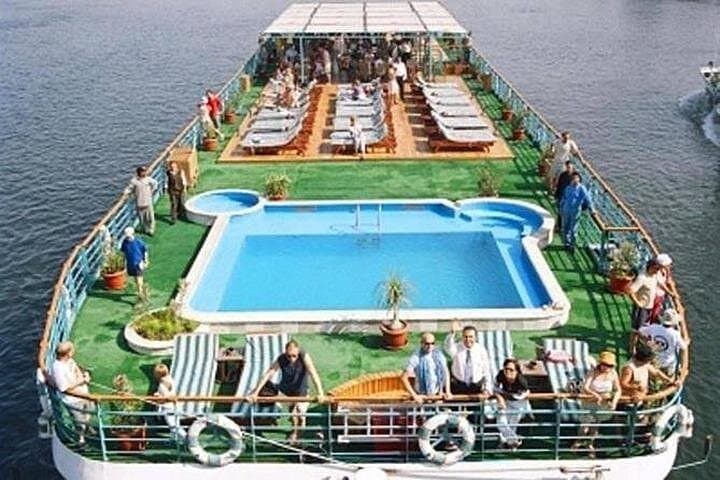

The Nile slips past the ship like a slow, deliberate promise — palms flickering, mud-brick villages drifting by, and the desert folding away into temple pylons. Boarding in Luxor, passengers trade the city’s heat for the steady cadence of river travel: deck chairs, sunrise over the water, and temples arriving like chapters in a well-worn book.
The Nile slips past the ship like a slow, deliberate promise — palms flickering, mud-brick villages drifting by, and the desert folding away into temple pylons. Boarding in Luxor, passengers trade the city’s heat for the steady cadence of river travel: deck chairs, sunrise over the water, and temples arriving like chapters in a well-worn book.
This five-day, four-night itinerary threads together Egypt’s most iconic sites: Luxor and Karnak’s columned hypostyle halls, the rock-cut tombs of the Valley of the Kings, Hatshepsut’s layered funerary temple, the remarkably preserved Edfu and Kom Ombo, and Aswan’s Philae and High Dam. Geologically the route follows the Nile’s floodplain — alluvial silts and granite outcrops — where ancient quarrying and continuous human settlement shaped the riverbanks. Cultural touchstones arrive via an Egyptologist guide who places each ruin in dynastic and Greco-Roman context.
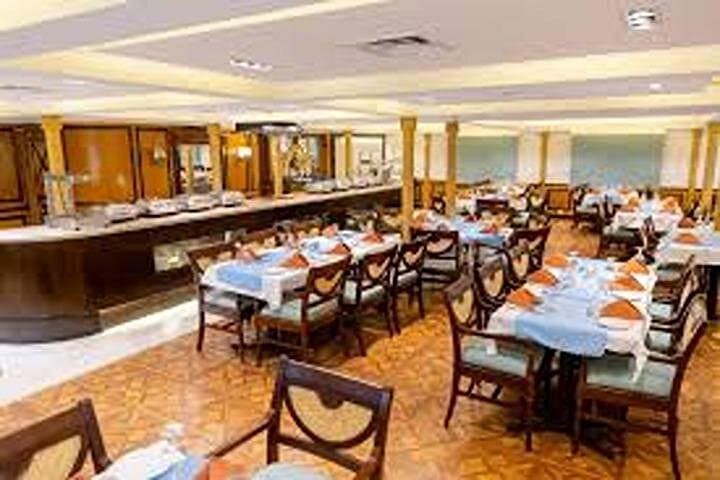
Expect temple forecourts, steep stone steps, uneven walkways, and short guided walks from ship to shore. Meals (breakfast, lunch, dinner) are typically included aboard; a galabiya party offers local music and costume. Mornings are best for photography and cooler walks; midday demands shade and water.
Practical notes: carry cash in Egyptian pounds for entrance fees and tips, wear modest clothing and closed-toe shoes for archaeological sites, and bring sun protection and a reusable water bottle. If planning Abu Simbel, allow extra time for the optional transfer. The cruise pairs relaxed river time with intense shore-based exploration — a balance of slow travel and concentrated history that rewards early starts and patient observation.