THE ADVENTURE COLLECTIVE® · Independent discovery and booking for outdoor travel

Drift between Luxor and Aswan aboard the Sonesta St. George I and visit Karnak, Edfu and Kom Ombo on a four-night cruise. This guide outlines what to expect onboard, the typical excursion rhythm, and the practical gear and timing that make the trip comfortable.
Drift between Luxor and Aswan aboard the Sonesta St. George I and visit Karnak, Edfu and Kom Ombo on a four-night cruise. This guide outlines what to expect onboard, the typical excursion rhythm, and the practical gear and timing that make the trip comfortable.
The Sonesta St. George I eases away from Luxor at first light, the river glassing and the temple silhouettes sharpening against a pale sky. On deck, the ship smells of coffee and diesel; downstream, mud-brick villages and palm-clad banks drift past like a slow film. The routine is reassuring: morning excursions to temples, midday siesta on shaded upper decks, and evenings spent on the promenade watching the river narrow toward Aswan.
Verified experiences and guided adventures in the surrounding area.
The Sonesta St. George I eases away from Luxor at first light, the river glassing and the temple silhouettes sharpening against a pale sky. On deck, the ship smells of coffee and diesel; downstream, mud-brick villages and palm-clad banks drift past like a slow film. The routine is reassuring: morning excursions to temples, midday siesta on shaded upper decks, and evenings spent on the promenade watching the river narrow toward Aswan.
This stretch of the Nile is layered history — pharaonic complexes, Greco-Roman influences and centuries of Nubian culture concentrated along a corridor of fertile floodplain cut through Precambrian rock. Temples at Karnak and Luxor, the mortuary monuments of the West Bank and the compact temples at Edfu and Kom Ombo tell a story of state power, river transport and ritual access to the afterlife.
Practicalities matter: cabins are hotel-style but compact, excursions involve paved and uneven temple grounds with stairs and stone thresholds, and guided walks typically last 1–3 hours. Expect early starts to dodge heat, guided commentary at major sites, and optional short drives from the ship. Bring sun protection and a small daypack for water and camera gear; shoes should handle dusty stone and occasional sand. Tipping is customary for guides and crew, and local currency (Egyptian pounds) is useful for small purchases.
For travelers who want both comfort and active exploration, the St. George route is an efficient way to experience the Nile’s archaeological riches while moving slowly through the landscape that shaped ancient Egypt.
Typical itineraries are four nights on board (five days total), with guided shore excursions to major temples between Luxor and Aswan.
Yes — the cruise includes guided excursions to scheduled sites; check the supplier itinerary for exact stops and any optional tours that may cost extra.
Common areas are accessible but some excursions involve uneven ground and stairs; contact the operator ahead of time to discuss specific accessibility needs.
Carry small-denomination Egyptian pounds for souvenirs and local purchases; tipping guides and crew is customary and often expected.
The Sonesta St. George I eases away from Luxor at first light, the river glassing and the temple silhouettes sharpening against a pale sky. On deck, the ship smells of coffee and diesel; downstream, mud-brick villages and palm-clad banks drift past like a slow film. The routine is reassuring: morning excursions to temples, midday siesta on shaded upper decks, and evenings spent on the promenade watching the river narrow toward Aswan.
The Sonesta St. George I eases away from Luxor at first light, the river glassing and the temple silhouettes sharpening against a pale sky. On deck, the ship smells of coffee and diesel; downstream, mud-brick villages and palm-clad banks drift past like a slow film. The routine is reassuring: morning excursions to temples, midday siesta on shaded upper decks, and evenings spent on the promenade watching the river narrow toward Aswan.
This stretch of the Nile is layered history — pharaonic complexes, Greco-Roman influences and centuries of Nubian culture concentrated along a corridor of fertile floodplain cut through Precambrian rock. Temples at Karnak and Luxor, the mortuary monuments of the West Bank and the compact temples at Edfu and Kom Ombo tell a story of state power, river transport and ritual access to the afterlife.
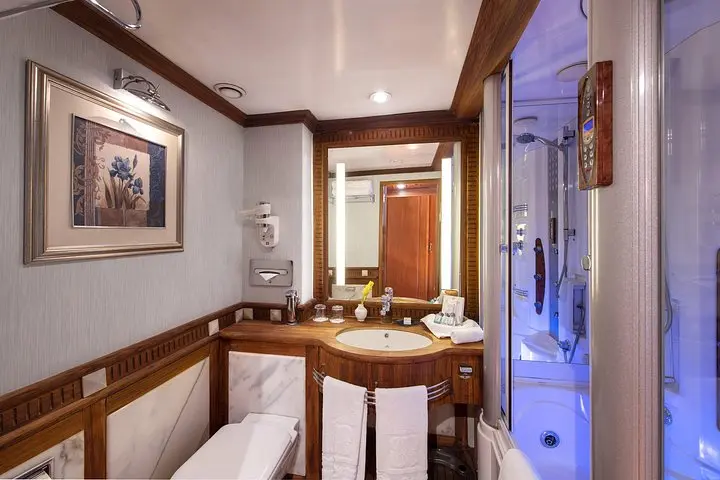
Practicalities matter: cabins are hotel-style but compact, excursions involve paved and uneven temple grounds with stairs and stone thresholds, and guided walks typically last 1–3 hours. Expect early starts to dodge heat, guided commentary at major sites, and optional short drives from the ship. Bring sun protection and a small daypack for water and camera gear; shoes should handle dusty stone and occasional sand. Tipping is customary for guides and crew, and local currency (Egyptian pounds) is useful for small purchases.
For travelers who want both comfort and active exploration, the St. George route is an efficient way to experience the Nile’s archaeological riches while moving slowly through the landscape that shaped ancient Egypt.