THE ADVENTURE COLLECTIVE® · Independent discovery and booking for outdoor travel

Float over Luxor at sunrise, then board a short Nile cruise from Luxor to Aswan that visits Karnak, the Valley of the Kings, Edfu and Kom Ombo. This 2-night itinerary pairs airborne perspective with riverside temples and practical logistics for first-time travelers.
Float over Luxor at sunrise, then board a short Nile cruise from Luxor to Aswan that visits Karnak, the Valley of the Kings, Edfu and Kom Ombo. This 2-night itinerary pairs airborne perspective with riverside temples and practical logistics for first-time travelers.
You step off a night train into the dry, warm air of Luxor before dawn; the Nile glimmers like a ribbon daring you to follow. A basket lifts you above floodplain fields and temple roofs—balloon burners pulse, and the valley of the kings opens below like an exposed archive.
Verified experiences and guided adventures in the surrounding area.
Operated by travel to church · Luxor, Luxor Governorate
You step off a night train into the dry, warm air of Luxor before dawn; the Nile glimmers like a ribbon daring you to follow. A basket lifts you above floodplain fields and temple roofs—balloon burners pulse, and the valley of the kings opens below like an exposed archive.
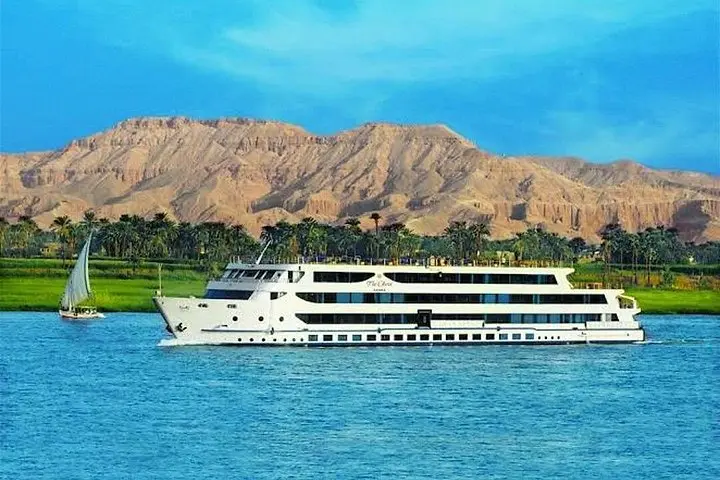
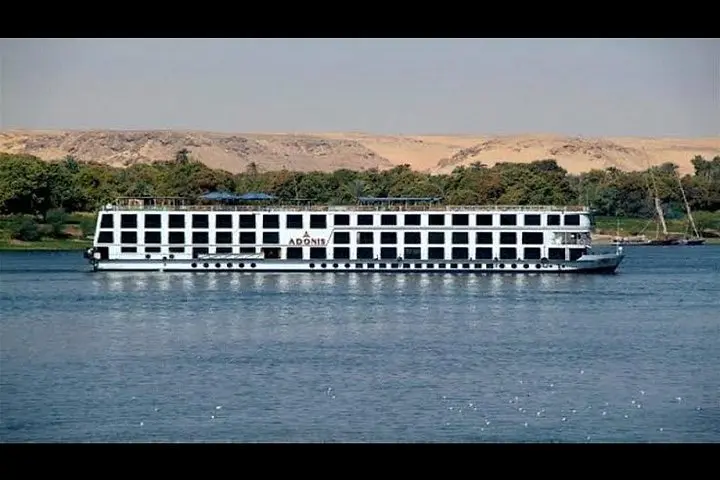
This short cruise threads the same river that fed ancient Thebes and carried stones for Karnak and Luxor Temples. Geologically, the Nile here runs along a deep alluvial corridor bounded by desert escarpments; temples were sited on high ground or river-facing quays to announce power and control of water routes. Culturally, the region is a living layer cake of Pharaonic ritual, Greco-Roman encounters and Nubian trade influence, visible in reliefs, colonnades and local craft traditions.
Expect guided walks through tomb chambers with steep steps and carved hieroglyphs, a horse-carriage approach at Edfu, and the intimate, twin sanctuaries of Kom Ombo. Boat time is gentle—enough to watch river birds and riverside farmers, but also long stints between ports when the Nile gives you space to breathe.
Practical guide: schedule balloon flights for the earliest slot to avoid wind cancellations, carry a refillable water bottle, sun protection and comfortable shoes for temple stone and stairs. Keep copies of travel documents and allow buffer time for the long train or optional domestic flight connections back to Cairo. Bring small local currency for guide tips, and set aside patience for crowds at major monuments.
Yes—the itinerary includes a scheduled balloon ride over Luxor; flights are weather-dependent and typically run at first light.
The tour coordinates a train transfer (or optional flight at extra cost); travel time by train is long (approx. 10–12 hours), so expect overnight travel on day 1.
Walking is moderate: short distances at monuments, uneven stone, and stairs inside tombs—no technical hiking required.
Full refund if cancelled at least 24 hours before departure; balloon flights may be canceled for safety reasons without guaranteed replacement.
travel to church operates guided outdoor trips and adventures with an emphasis on safety, stewardship, and memorable experiences.
You step off a night train into the dry, warm air of Luxor before dawn; the Nile glimmers like a ribbon daring you to follow. A basket lifts you above floodplain fields and temple roofs—balloon burners pulse, and the valley of the kings opens below like an exposed archive.
You step off a night train into the dry, warm air of Luxor before dawn; the Nile glimmers like a ribbon daring you to follow. A basket lifts you above floodplain fields and temple roofs—balloon burners pulse, and the valley of the kings opens below like an exposed archive.
This short cruise threads the same river that fed ancient Thebes and carried stones for Karnak and Luxor Temples. Geologically, the Nile here runs along a deep alluvial corridor bounded by desert escarpments; temples were sited on high ground or river-facing quays to announce power and control of water routes. Culturally, the region is a living layer cake of Pharaonic ritual, Greco-Roman encounters and Nubian trade influence, visible in reliefs, colonnades and local craft traditions.
Expect guided walks through tomb chambers with steep steps and carved hieroglyphs, a horse-carriage approach at Edfu, and the intimate, twin sanctuaries of Kom Ombo. Boat time is gentle—enough to watch river birds and riverside farmers, but also long stints between ports when the Nile gives you space to breathe.
Practical guide: schedule balloon flights for the earliest slot to avoid wind cancellations, carry a refillable water bottle, sun protection and comfortable shoes for temple stone and stairs. Keep copies of travel documents and allow buffer time for the long train or optional domestic flight connections back to Cairo. Bring small local currency for guide tips, and set aside patience for crowds at major monuments.