THE ADVENTURE COLLECTIVE® · Independent discovery and booking for outdoor travel

A compact overnight journey from Luxor to Aswan that packs Edfu, Kom Ombo, Philae and the monumental Abu Simbel into two days. Ideal for travelers who want concentrated temple visits with straightforward logistics.
A compact overnight journey from Luxor to Aswan that packs Edfu, Kom Ombo, Philae and the monumental Abu Simbel into two days. Ideal for travelers who want concentrated temple visits with straightforward logistics.
The bus rolls away from Luxor at first light, the Nile daring you to keep pace as the desert widens and the road unfurls toward Aswan. On day one the route threads riverside towns and palm-sprigged fields before the first temple—Edfu’s massive pylon—rising like an ancient gate off the highway. By afternoon Kom Ombo’s twin sanctuaries reveal the split logic of Ptolemaic worship; stone faces look out over a sweep of ochre and water.
Verified experiences and guided adventures in the surrounding area.
Operated by Egypt Sunny Tours · Luxor, Luxor Governorate
The bus rolls away from Luxor at first light, the Nile daring you to keep pace as the desert widens and the road unfurls toward Aswan. On day one the route threads riverside towns and palm-sprigged fields before the first temple—Edfu’s massive pylon—rising like an ancient gate off the highway. By afternoon Kom Ombo’s twin sanctuaries reveal the split logic of Ptolemaic worship; stone faces look out over a sweep of ochre and water.
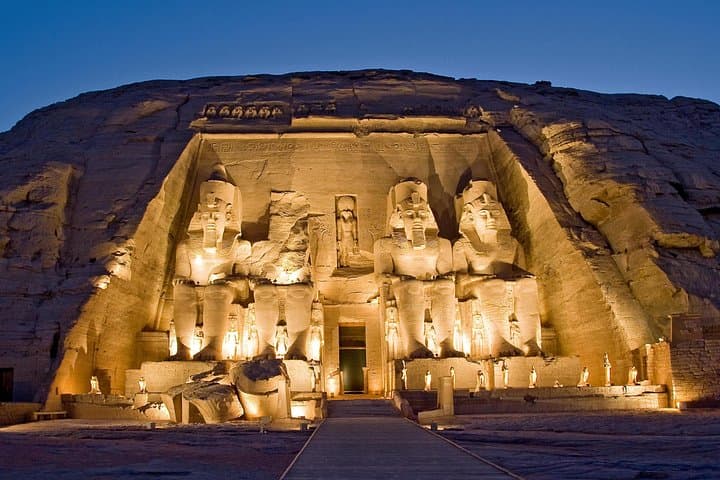
History is visible here: Ramses II’s shadow at Abu Simbel, the Philae complex raised on an island, and the later Greek and Roman additions that layered meaning onto pharaonic sites. Geologically these monuments are carved from Nile sandstone and phonolite, surfaces softened by wind and heat yet preserved by millennia of stonecraft. Culture sits in the pauses—prayers, boatmen’s calls, the steady exchange of small goods along the riverbanks.
Practically, the trip is travel-heavy but low-impact physically: expect long transfers in an air-conditioned vehicle, short guided walks at each site, and a hotel night in Aswan. Abu Simbel requires an early start (about three hours from Aswan) and benefits from morning light for photography. Bring sun protection, refillable water, and patience—entry lines move steadily but memories form slowly.
This itinerary blends immersive temple visits with straightforward logistics: guided entry fees included, two lunches and one overnight in Aswan provided, and opportunities for short boat transfers to island temples. For travelers wanting concentrated ancient Egypt without a Nile cruise, this is a compact, practical route through some of the country’s most iconic stonework.
Yes; the itinerary lists Abu Simbel entry fees and guided visit as included.
Expect roughly three hours each way by private air-conditioned vehicle, depending on traffic and stops.
Many sites have accessible paths and the tour notes wheelchair-accessible transportation and surfaces, but access can vary by exact location—contact the operator if full accessibility is required.
Yes; small purchases, tips, and optional extras like felucca rides are usually paid in Egyptian pounds—ATMs are available in Luxor and Aswan.
Egypt Sunny Tours operates guided outdoor trips and adventures with an emphasis on safety, stewardship, and memorable experiences.


The bus rolls away from Luxor at first light, the Nile daring you to keep pace as the desert widens and the road unfurls toward Aswan. On day one the route threads riverside towns and palm-sprigged fields before the first temple—Edfu’s massive pylon—rising like an ancient gate off the highway. By afternoon Kom Ombo’s twin sanctuaries reveal the split logic of Ptolemaic worship; stone faces look out over a sweep of ochre and water.
The bus rolls away from Luxor at first light, the Nile daring you to keep pace as the desert widens and the road unfurls toward Aswan. On day one the route threads riverside towns and palm-sprigged fields before the first temple—Edfu’s massive pylon—rising like an ancient gate off the highway. By afternoon Kom Ombo’s twin sanctuaries reveal the split logic of Ptolemaic worship; stone faces look out over a sweep of ochre and water.
History is visible here: Ramses II’s shadow at Abu Simbel, the Philae complex raised on an island, and the later Greek and Roman additions that layered meaning onto pharaonic sites. Geologically these monuments are carved from Nile sandstone and phonolite, surfaces softened by wind and heat yet preserved by millennia of stonecraft. Culture sits in the pauses—prayers, boatmen’s calls, the steady exchange of small goods along the riverbanks.
Practically, the trip is travel-heavy but low-impact physically: expect long transfers in an air-conditioned vehicle, short guided walks at each site, and a hotel night in Aswan. Abu Simbel requires an early start (about three hours from Aswan) and benefits from morning light for photography. Bring sun protection, refillable water, and patience—entry lines move steadily but memories form slowly.
This itinerary blends immersive temple visits with straightforward logistics: guided entry fees included, two lunches and one overnight in Aswan provided, and opportunities for short boat transfers to island temples. For travelers wanting concentrated ancient Egypt without a Nile cruise, this is a compact, practical route through some of the country’s most iconic stonework.