THE ADVENTURE COLLECTIVE® · Independent discovery and booking for outdoor travel

A private day trip from Luxor to Edfu delivers one of Egypt's best-preserved temples without the crowds. This practical guide explains what to expect—travel time, access, and how to prepare for the heat and uneven stone underfoot.
A private day trip from Luxor to Edfu delivers one of Egypt's best-preserved temples without the crowds. This practical guide explains what to expect—travel time, access, and how to prepare for the heat and uneven stone underfoot.
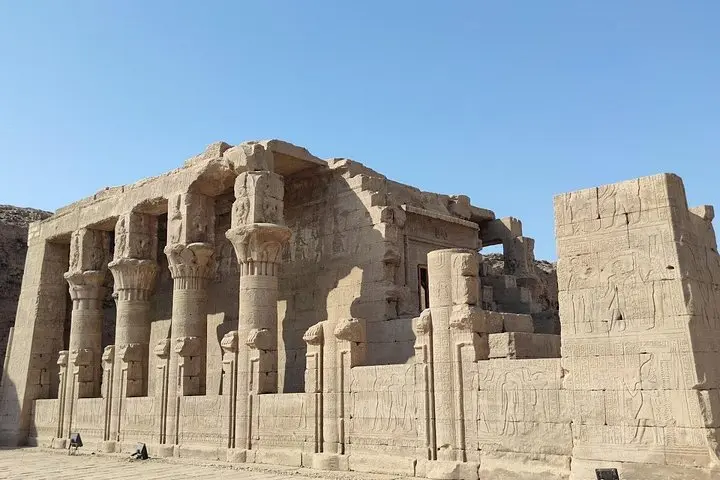
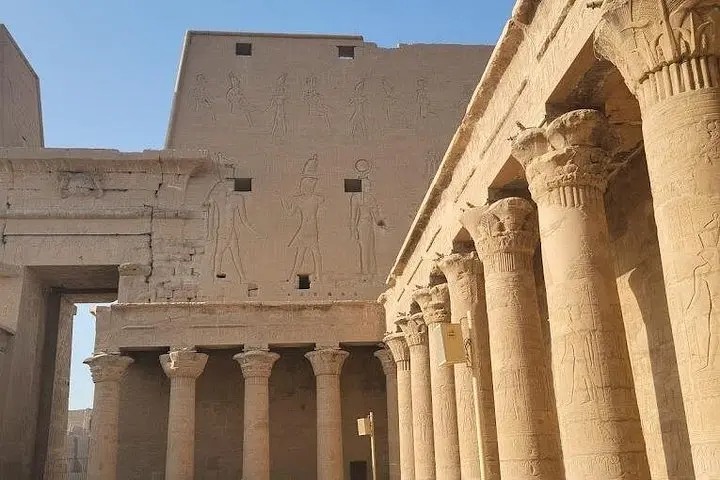
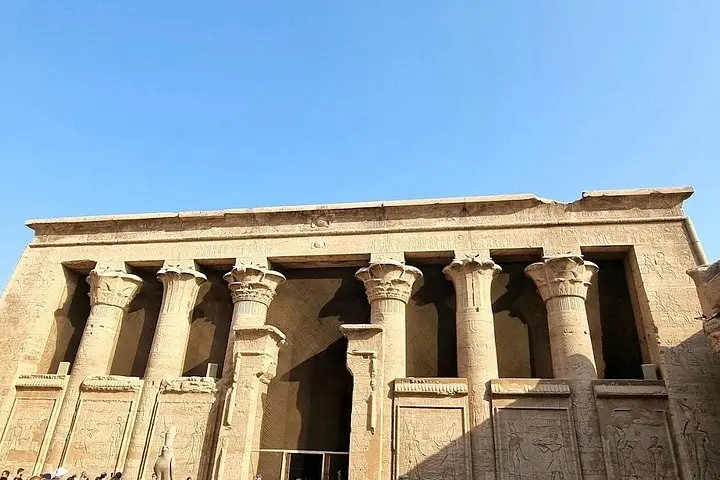
You leave Luxor before the heat builds, the Nile rolling past like a slow, watchful companion daring you into the past. Flat fields give way to low desert ridges, and suddenly the Ptolemaic profile of Edfu Temple appears: massive pylons, carved reliefs catching the slanting light.
Verified experiences and guided adventures in the surrounding area.
Operated by Eyes of Egypt · Edfu, Aswan Governorate
You leave Luxor before the heat builds, the Nile rolling past like a slow, watchful companion daring you into the past. Flat fields give way to low desert ridges, and suddenly the Ptolemaic profile of Edfu Temple appears: massive pylons, carved reliefs catching the slanting light.
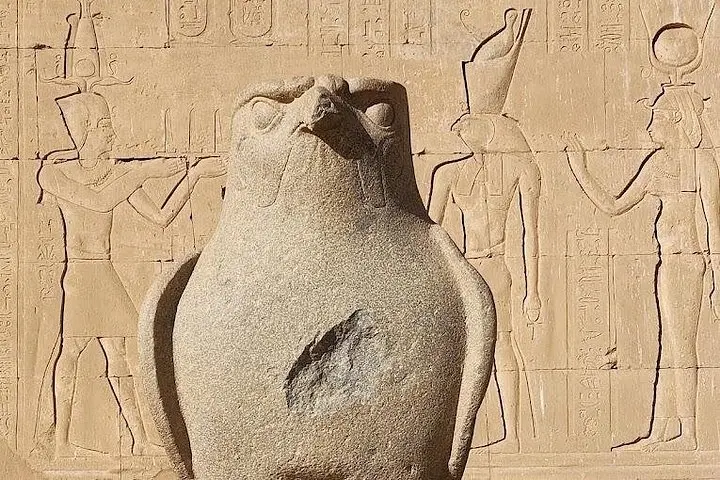
The Temple of Horus was erected during the Ptolemaic period and completed in the 1st century BCE; its stonework is unusually intact because later builders repurposed fewer of its blocks. The complex sits on the west bank of the Nile and is cut from local sandstone, weathered by seasonal floods and decades of sun, its hieroglyphs preserving myths of kingship and divine falcons.
Edfu itself is a working Nile town—market stalls, feluccas, and a steady rhythm of small-boat traffic that frames daily life. Conversations with local guides reveal how festivals and agricultural cycles still map the calendar here.
Practically: the private transfer is about 1.5–2 hours each way and the typical visit allows an hour–90 minutes inside the temple. Wear sturdy, closed shoes for cobbled and stepped surfaces, bring sun protection and a refillable water bottle, and plan a morning slot to avoid peak heat and cruise-ship crowds. Photography is excellent in sidelong light; however, refrain from touching bas-reliefs. Choose a package level that includes entrance tickets if you prefer one-stop logistics—otherwise factor in ticket lines. Accessibility is generally good for paved areas, but there are stepped zones. Expect an immersive cultural stop that pairs archaeological depth with a straight-forward, comfortable travel day from Luxor.
Expect roughly 1.5–2 hours each way by private vehicle depending on traffic and stops—this tour schedules about 330 minutes total including transfers and time at the temple.
That depends on the package: Diamond options typically include entrance tickets; Golden and Silver may require you to purchase tickets separately—check your selected package details.
Many exterior areas and the main courtyard are accessible via flat, paved surfaces, but there are stepped areas and uneven stone within the complex—notify the operator if you need special assistance.
October through April offers cooler temperatures and more comfortable touring conditions; mornings are preferable year-round to avoid heat and glare.
Eyes of Egypt operates guided outdoor trips and adventures with an emphasis on safety, stewardship, and memorable experiences.
You leave Luxor before the heat builds, the Nile rolling past like a slow, watchful companion daring you into the past. Flat fields give way to low desert ridges, and suddenly the Ptolemaic profile of Edfu Temple appears: massive pylons, carved reliefs catching the slanting light.
You leave Luxor before the heat builds, the Nile rolling past like a slow, watchful companion daring you into the past. Flat fields give way to low desert ridges, and suddenly the Ptolemaic profile of Edfu Temple appears: massive pylons, carved reliefs catching the slanting light.
The Temple of Horus was erected during the Ptolemaic period and completed in the 1st century BCE; its stonework is unusually intact because later builders repurposed fewer of its blocks. The complex sits on the west bank of the Nile and is cut from local sandstone, weathered by seasonal floods and decades of sun, its hieroglyphs preserving myths of kingship and divine falcons.
Edfu itself is a working Nile town—market stalls, feluccas, and a steady rhythm of small-boat traffic that frames daily life. Conversations with local guides reveal how festivals and agricultural cycles still map the calendar here.
Practically: the private transfer is about 1.5–2 hours each way and the typical visit allows an hour–90 minutes inside the temple. Wear sturdy, closed shoes for cobbled and stepped surfaces, bring sun protection and a refillable water bottle, and plan a morning slot to avoid peak heat and cruise-ship crowds. Photography is excellent in sidelong light; however, refrain from touching bas-reliefs. Choose a package level that includes entrance tickets if you prefer one-stop logistics—otherwise factor in ticket lines. Accessibility is generally good for paved areas, but there are stepped zones. Expect an immersive cultural stop that pairs archaeological depth with a straight-forward, comfortable travel day from Luxor.