THE ADVENTURE COLLECTIVE® · Independent discovery and booking for outdoor travel

A full-day private excursion linking Luxor and Cairo by plane, this tour condenses the Giza Plateau and the Egyptian Museum into an efficient cultural sprint. Expect sandy walking, intense sun, and expert narration on pharaonic history and construction techniques.
A full-day private excursion linking Luxor and Cairo by plane, this tour condenses the Giza Plateau and the Egyptian Museum into an efficient cultural sprint. Expect sandy walking, intense sun, and expert narration on pharaonic history and construction techniques.
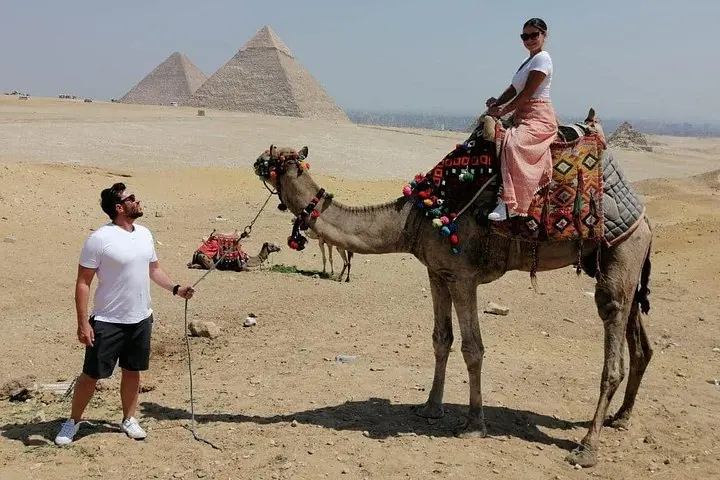
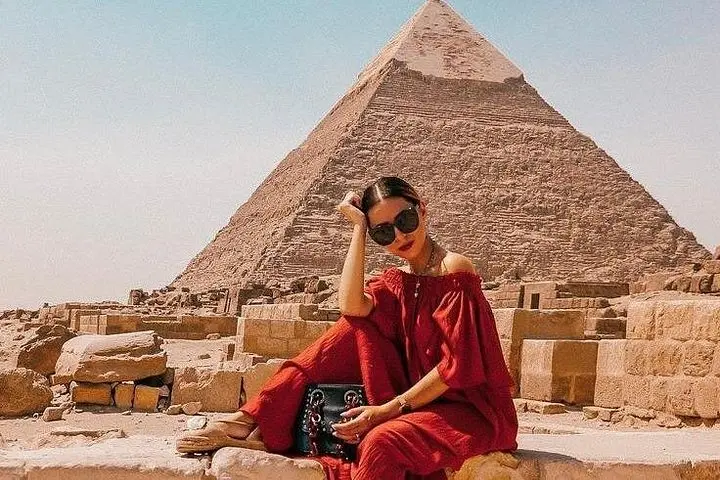
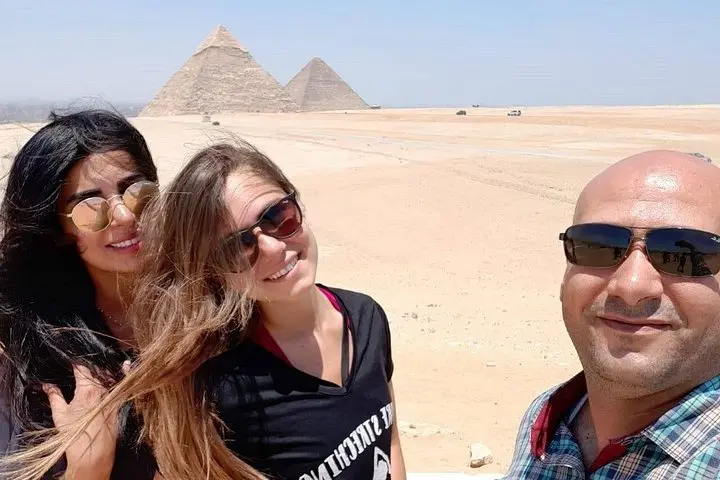
You step off a short domestic flight into Cairo's low, dry air and feel the city inch toward desert. Within an hour a private car eases onto the Giza Plateau; sand and stone open up and the Great Pyramid rises like a deliberate machine of a lost world. The Sphinx watches the procession of visitors with a face weathered by millennia and wind.
Verified experiences and guided adventures in the surrounding area.
Operated by Hesham Egypt tour guide · Giza, Giza
You step off a short domestic flight into Cairo's low, dry air and feel the city inch toward desert. Within an hour a private car eases onto the Giza Plateau; sand and stone open up and the Great Pyramid rises like a deliberate machine of a lost world. The Sphinx watches the procession of visitors with a face weathered by millennia and wind.
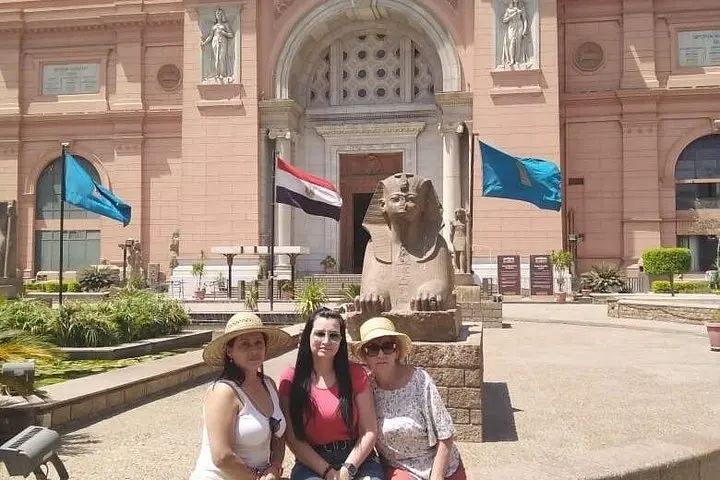
The plateau is both archaeological archive and geological feature: limestone bedrock quarried for centuries, sand drifts that reveal and conceal, and the Nile plain fanning out to the east. The Egyptian Museum in Tahrir holds layers of cultural history—pharaonic jewelry, funerary art and Tutankhamen’s treasures—that trace a continuous civilization built on Nile irrigation and trade.
Expect uneven, sandy walking between monuments (roughly 1–3 km of on-plateau exploration), minimal elevation change, and intense sun. Guides typically narrate the construction theories, dynastic histories and the Valley Temple’s ritual geography while pointing out quarry marks and refurbishments across the site.
Practical edge: domestic round-trip flights (Luxor–Cairo) compress travel time, but plan for an 8–10 hour day including airport transfers. Carry your passport, purchase entry tickets on arrival if not included, and reserve museum time if you want to avoid lines. Wear breathable layers, sturdy walking shoes, sun protection and bring plenty of water—the plateau can push you farther than you planned.
A private guide and vehicle streamline logistics, leaving you to focus on the scale, craft and human stories carved into stone.
Yes. The tour description specifies a round domestic flight between Luxor and Cairo is included as part of the private day package.
Admission is generally not included; the itinerary notes admissions are not provided, so plan to purchase tickets on arrival unless otherwise confirmed.
Expect 1–3 km of walking on uneven, sandy ground with minimal slopes; the tour is described as suitable for all fitness levels but mobility limitations may make certain areas difficult.
Visa requirements depend on nationality. This is an internal flight; visitors should have the necessary Egyptian entry visa or e-visa in advance and carry it along with travel documents.
Hesham Egypt tour guide operates guided outdoor trips and adventures with an emphasis on safety, stewardship, and memorable experiences.
You step off a short domestic flight into Cairo's low, dry air and feel the city inch toward desert. Within an hour a private car eases onto the Giza Plateau; sand and stone open up and the Great Pyramid rises like a deliberate machine of a lost world. The Sphinx watches the procession of visitors with a face weathered by millennia and wind.
You step off a short domestic flight into Cairo's low, dry air and feel the city inch toward desert. Within an hour a private car eases onto the Giza Plateau; sand and stone open up and the Great Pyramid rises like a deliberate machine of a lost world. The Sphinx watches the procession of visitors with a face weathered by millennia and wind.
The plateau is both archaeological archive and geological feature: limestone bedrock quarried for centuries, sand drifts that reveal and conceal, and the Nile plain fanning out to the east. The Egyptian Museum in Tahrir holds layers of cultural history—pharaonic jewelry, funerary art and Tutankhamen’s treasures—that trace a continuous civilization built on Nile irrigation and trade.
Expect uneven, sandy walking between monuments (roughly 1–3 km of on-plateau exploration), minimal elevation change, and intense sun. Guides typically narrate the construction theories, dynastic histories and the Valley Temple’s ritual geography while pointing out quarry marks and refurbishments across the site.
Practical edge: domestic round-trip flights (Luxor–Cairo) compress travel time, but plan for an 8–10 hour day including airport transfers. Carry your passport, purchase entry tickets on arrival if not included, and reserve museum time if you want to avoid lines. Wear breathable layers, sturdy walking shoes, sun protection and bring plenty of water—the plateau can push you farther than you planned.
A private guide and vehicle streamline logistics, leaving you to focus on the scale, craft and human stories carved into stone.