THE ADVENTURE COLLECTIVE® · Independent discovery and booking for outdoor travel

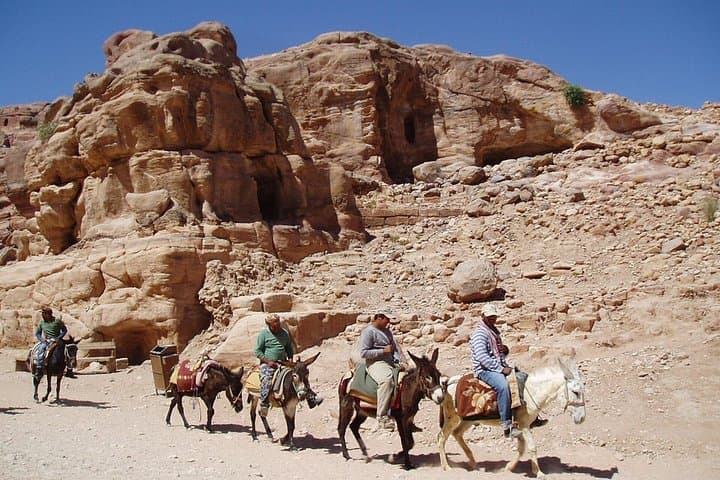
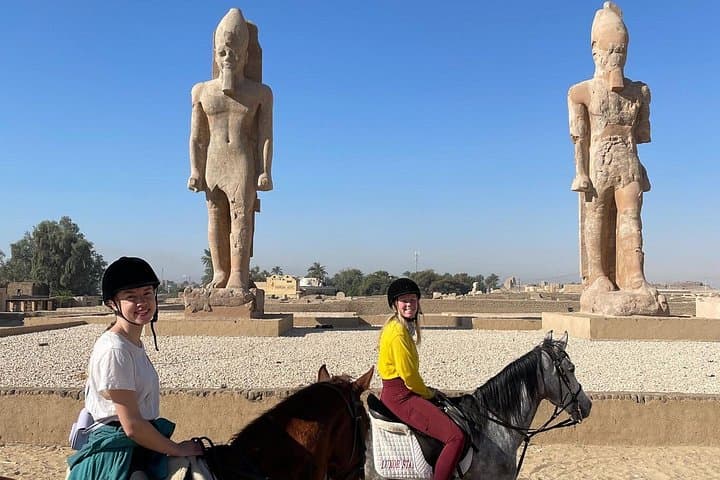
Cross the Nile to Luxor’s West Bank on a private camel, horse or donkey ride that passes the Colossi of Memnon, Ramesseum, Medinet Habu and Old Qurna. This two-hour cultural ride mixes on-the-ground history with practical tips for a comfortable, responsible outing.
Cross the Nile to Luxor’s West Bank on a private camel, horse or donkey ride that passes the Colossi of Memnon, Ramesseum, Medinet Habu and Old Qurna. This two-hour cultural ride mixes on-the-ground history with practical tips for a comfortable, responsible outing.
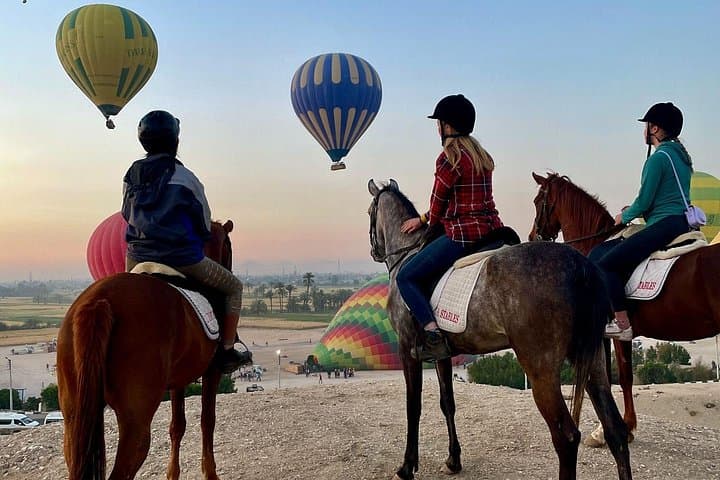
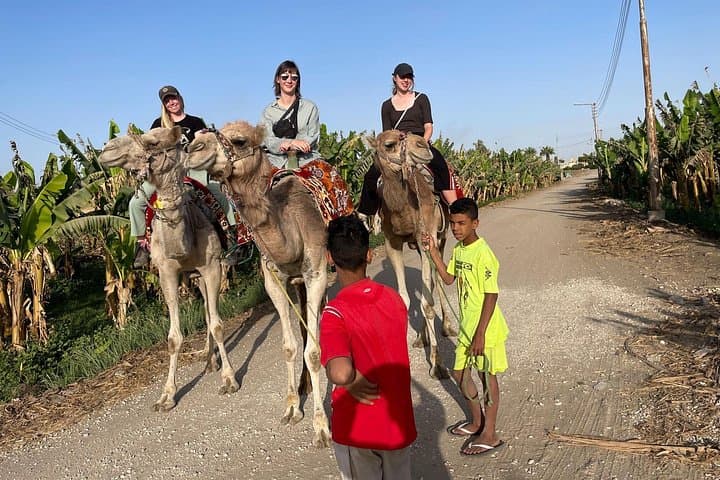
You step off the ferry as dawn light flattens the Nile and the West Bank stretches like a different country—sand, low mud-brick houses, and stone giants keeping watch. A handler leads a camel past reeds; a donkey blinks at the street. For two hours you follow tracks that incision the desert edge, crossing fields and the weathered bases of monuments that have lived longer than most maps.
Verified experiences and guided adventures in the surrounding area.
Operated by Egypt Sunny Tours · Luxor, Luxor Governorate
You step off the ferry as dawn light flattens the Nile and the West Bank stretches like a different country—sand, low mud-brick houses, and stone giants keeping watch. A handler leads a camel past reeds; a donkey blinks at the street. For two hours you follow tracks that incision the desert edge, crossing fields and the weathered bases of monuments that have lived longer than most maps.
This ride threads the familiar landmarks of Luxor’s funerary landscape: the Colossi of Memnon, the funerary temple of Ramesses II (the Ramesseum), Medinet Habu and the Old Qurna settlement beside the Valley of the Nobles. Geologically the West Bank is a limestone ridge carved by wind and centuries of human quarrying; culturally it’s the side of the city where the dead were honored and local life continued at the tombs’ feet. Licensed Egyptian guides provide context—who built what, when, and why the stones bear the scars they do.
Practically, the tour is short and accessible: choose camel, horse, or donkey; handlers prepare the animals and basic safety gear is available. Best times are early morning or late afternoon to avoid heat and harsh light. Wear closed-toe shoes, bring water and sunscreen, and set expectations—this is a cultural, low-speed way to move through the archaeology, not a strenuous trek. Respect animals and local households, tip guides and handlers, and keep to agreed paths to protect fragile sites. The ride offers an immediate, tactile link to the landscapes that shaped ancient Thebes—hands on the reins, dust underfoot, ruins rising ahead.
No—handlers provide basic instructions and the animals are generally docile; inform the operator of any concerns beforehand.
Minimum ages vary by operator, but children must be supervised; the tour listing indicates suitability for all fitness levels—confirm age limits when booking.
Yes—guides for this activity are fully licensed by the Egyptian Tourist Board and typically bilingual or multilingual.
Tours can be canceled for bad weather with a full refund if canceled at least 24 hours before the scheduled time; handlers will advise on the day.
Egypt Sunny Tours operates guided outdoor trips and adventures with an emphasis on safety, stewardship, and memorable experiences.
You step off the ferry as dawn light flattens the Nile and the West Bank stretches like a different country—sand, low mud-brick houses, and stone giants keeping watch. A handler leads a camel past reeds; a donkey blinks at the street. For two hours you follow tracks that incision the desert edge, crossing fields and the weathered bases of monuments that have lived longer than most maps.
You step off the ferry as dawn light flattens the Nile and the West Bank stretches like a different country—sand, low mud-brick houses, and stone giants keeping watch. A handler leads a camel past reeds; a donkey blinks at the street. For two hours you follow tracks that incision the desert edge, crossing fields and the weathered bases of monuments that have lived longer than most maps.
This ride threads the familiar landmarks of Luxor’s funerary landscape: the Colossi of Memnon, the funerary temple of Ramesses II (the Ramesseum), Medinet Habu and the Old Qurna settlement beside the Valley of the Nobles. Geologically the West Bank is a limestone ridge carved by wind and centuries of human quarrying; culturally it’s the side of the city where the dead were honored and local life continued at the tombs’ feet. Licensed Egyptian guides provide context—who built what, when, and why the stones bear the scars they do.
Practically, the tour is short and accessible: choose camel, horse, or donkey; handlers prepare the animals and basic safety gear is available. Best times are early morning or late afternoon to avoid heat and harsh light. Wear closed-toe shoes, bring water and sunscreen, and set expectations—this is a cultural, low-speed way to move through the archaeology, not a strenuous trek. Respect animals and local households, tip guides and handlers, and keep to agreed paths to protect fragile sites. The ride offers an immediate, tactile link to the landscapes that shaped ancient Thebes—hands on the reins, dust underfoot, ruins rising ahead.