THE ADVENTURE COLLECTIVE® · Independent discovery and booking for outdoor travel

Fly into Lukla, tread through Sherpa villages and reach Everest Base Camp on a 14-day lodge trek that balances acclimatization with comfort. Read on for what to expect, how to prepare, and local insights.
Fly into Lukla, tread through Sherpa villages and reach Everest Base Camp on a 14-day lodge trek that balances acclimatization with comfort. Read on for what to expect, how to prepare, and local insights.
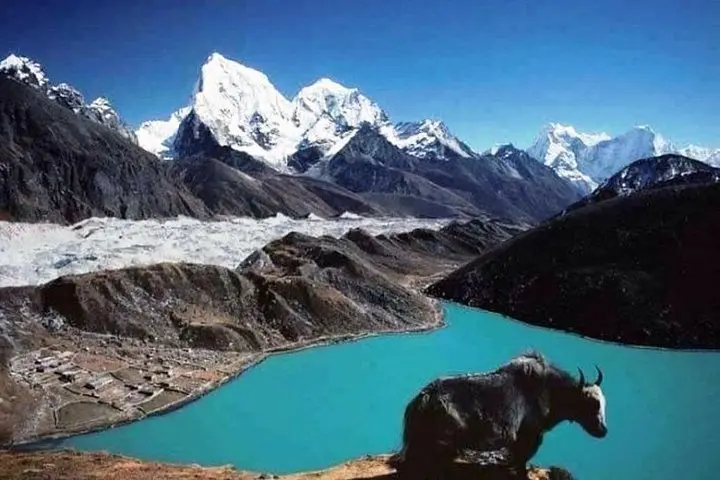
You step off the small twin-prop into thin, silver air and the Himalaya opens like a jagged manuscript. The trail begins with rhododendron and river-song, then tight switchbacks that pull you upward into villages perched on steep terraces. Sherpa prayer flags snap above stone teahouses; distant glaciers glint like steel.
Verified experiences and guided adventures in the surrounding area.
Operated by Himal Tourism Pvt.Ltd · Lukla, Province No. 1
You step off the small twin-prop into thin, silver air and the Himalaya opens like a jagged manuscript. The trail begins with rhododendron and river-song, then tight switchbacks that pull you upward into villages perched on steep terraces. Sherpa prayer flags snap above stone teahouses; distant glaciers glint like steel.
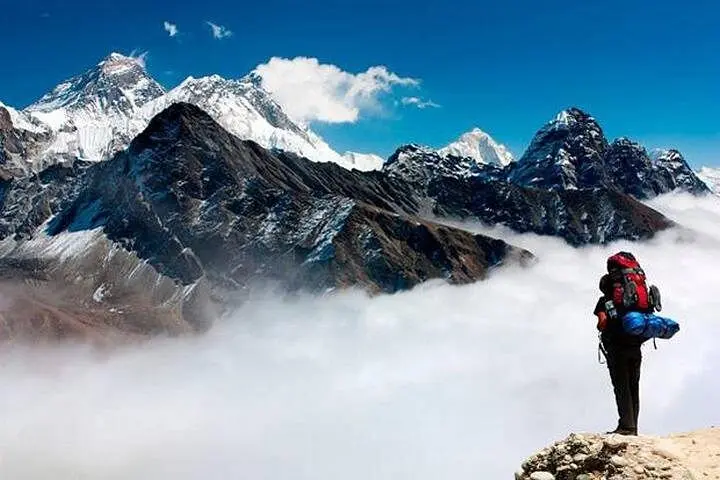
This itinerary threads classic Khumbu highlights: a Lukla gateway flight, acclimatization in Namche Bazaar, a visit to Tengboche (Tyangboche) monastery and the ridge of Kala Patthar for a face-on view of Everest. Geologically, you’re walking along uplifted metamorphic slabs where the Indian plate slams into Eurasia, exposing moraine-strewn valleys and glacial polish. Culturally, Sherpa Buddhism colors the route—mani walls, chhortens and monasteries are living markers of centuries of mountain life.
The experience is lodge-based; you sleep in mountain guesthouses, eat hot dal bhat, and carry only a daypack while porters move larger packs. Expect long days that require steady pacing to reduce acute mountain sickness (AMS) risk—the schedule builds two acclimatization stops for this reason.
Practically: travel light, layer for intense temperature swings, and allow time for weather delays on the Lukla flight. Hydrate consistently and monitor for headache, nausea or breathlessness. Footwear with grippy soles and trekking poles make rocky, sometimes icy sections manageable. This route rewards preparation: arrive fit, respect altitude, and you’ll trade sweat for one of the most elemental mountain encounters on Earth.
No — reaching Everest Base Camp on this lodge trek requires trekking fitness but no technical mountaineering skills or ropes.
Trekkers need Sagarmatha National Park entry and a Khumbu Pasang Lhamu Rural Municipality permit; guides usually help secure them before departure.
Everest Base Camp sits at about 5,364 m (17,598 ft); acclimatization is built into the itinerary but AMS remains a risk—monitor symptoms and communicate with guides.
Many teahouses offer charging for a small fee and limited Wi‑Fi (often paid); expect intermittent service above Namche Bazaar.
Himal Tourism Pvt.Ltd operates guided outdoor trips and adventures with an emphasis on safety, stewardship, and memorable experiences.
You step off the small twin-prop into thin, silver air and the Himalaya opens like a jagged manuscript. The trail begins with rhododendron and river-song, then tight switchbacks that pull you upward into villages perched on steep terraces. Sherpa prayer flags snap above stone teahouses; distant glaciers glint like steel.
You step off the small twin-prop into thin, silver air and the Himalaya opens like a jagged manuscript. The trail begins with rhododendron and river-song, then tight switchbacks that pull you upward into villages perched on steep terraces. Sherpa prayer flags snap above stone teahouses; distant glaciers glint like steel.
This itinerary threads classic Khumbu highlights: a Lukla gateway flight, acclimatization in Namche Bazaar, a visit to Tengboche (Tyangboche) monastery and the ridge of Kala Patthar for a face-on view of Everest. Geologically, you’re walking along uplifted metamorphic slabs where the Indian plate slams into Eurasia, exposing moraine-strewn valleys and glacial polish. Culturally, Sherpa Buddhism colors the route—mani walls, chhortens and monasteries are living markers of centuries of mountain life.
The experience is lodge-based; you sleep in mountain guesthouses, eat hot dal bhat, and carry only a daypack while porters move larger packs. Expect long days that require steady pacing to reduce acute mountain sickness (AMS) risk—the schedule builds two acclimatization stops for this reason.
Practically: travel light, layer for intense temperature swings, and allow time for weather delays on the Lukla flight. Hydrate consistently and monitor for headache, nausea or breathlessness. Footwear with grippy soles and trekking poles make rocky, sometimes icy sections manageable. This route rewards preparation: arrive fit, respect altitude, and you’ll trade sweat for one of the most elemental mountain encounters on Earth.