THE ADVENTURE COLLECTIVE® · Independent discovery and booking for outdoor travel

An 11-day luxury circuit through Peru’s highlands linking Lima, Cusco, Machu Picchu, Lake Titicaca, Rainbow Mountain and Colca Canyon. Expect high-elevation days, early departures for the best light, and carefully timed transfers with upscale lodging each night.
An 11-day luxury circuit through Peru’s highlands linking Lima, Cusco, Machu Picchu, Lake Titicaca, Rainbow Mountain and Colca Canyon. Expect high-elevation days, early departures for the best light, and carefully timed transfers with upscale lodging each night.
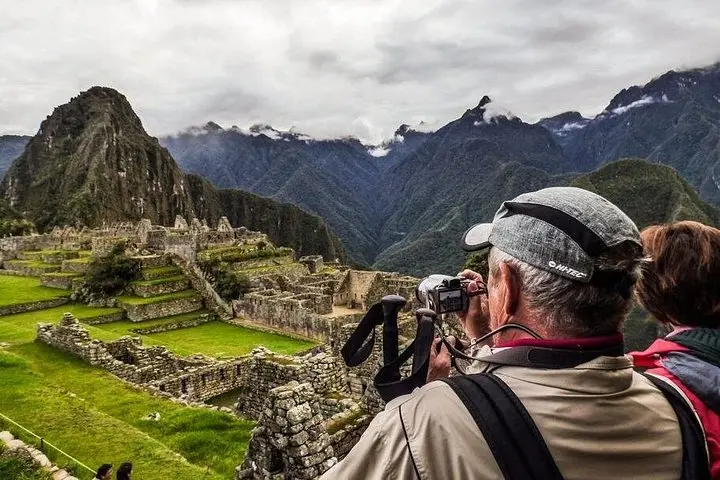
You step off the morning bus into a thinning mist on the switchbacks to Machu Picchu as the ruins reveal themselves like an old city waking up. The Andes press around you — sharp ridgelines, terraces stacked into the mountain, and the river far below daring you to lean closer to the stone walls.
Verified experiences and guided adventures in the surrounding area.
Operated by Peru Expeditions Tours · Cusco, Cusco
You step off the morning bus into a thinning mist on the switchbacks to Machu Picchu as the ruins reveal themselves like an old city waking up. The Andes press around you — sharp ridgelines, terraces stacked into the mountain, and the river far below daring you to lean closer to the stone walls.
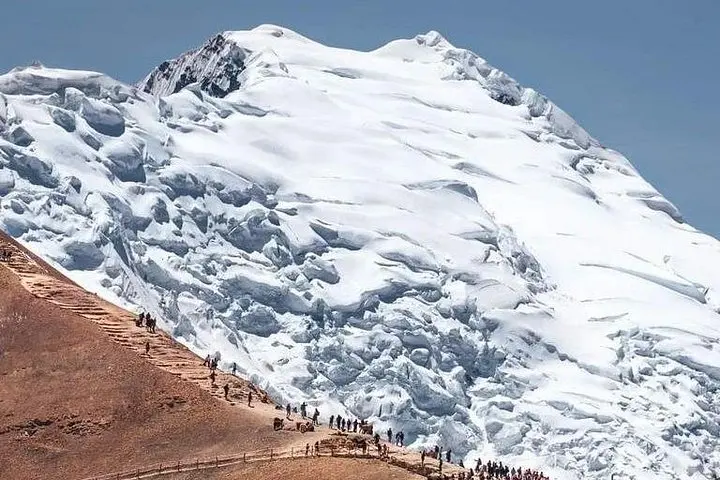
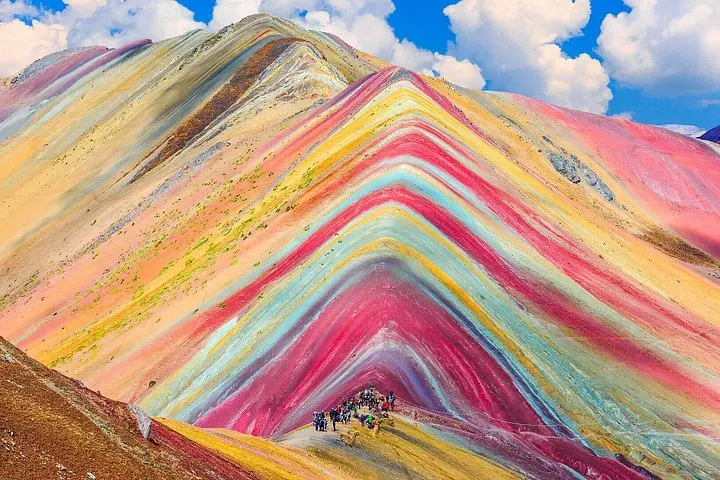
This eleven-day itinerary threads Peru’s highland highlights: colonial Lima, Cusco (≈3,400 m) and the Sacred Valley, Machu Picchu (≈2,430 m) with optional Huayna Picchu (≈2,720 m), the high plateau around Lake Titicaca (≈3,812 m), a day on the Uros floating islands, Rainbow Mountain’s colorful summit at ~5,020 m, and the plunging Colca Canyon (depth ~3,270 m) where condors wheel.
Geology here reads like a book of uplift and river incision — granite and volcanic layers carved by ice and water — while Inca engineering adapts terraces to steep slopes and microclimates. Local communities keep Quechua traditions alive in markets, textiles, and food, and small haciendas recall Spanish-era estates.
Practical edge: allow time to acclimatize in Cusco before high-altitude outings, hydrate and pace climbs (Rainbow Mountain is a steep 3–4 hour ascent), and reserve Huayna Picchu early — permits sell out months ahead. Expect a mix of short hikes, train and bus transfers, early starts for light and crowds, and luxury hotels each night. Pack layered clothing, sturdy boots, sun protection, and patience — the mountains will test your lungs more than your feet, but reward you with wide, uncompromising views.
Yes—many sites are above 2,400 m. Allow time to acclimatize in Cusco, hydrate, avoid alcohol on arrival, and consult a doctor about preventive medication if you have concerns.
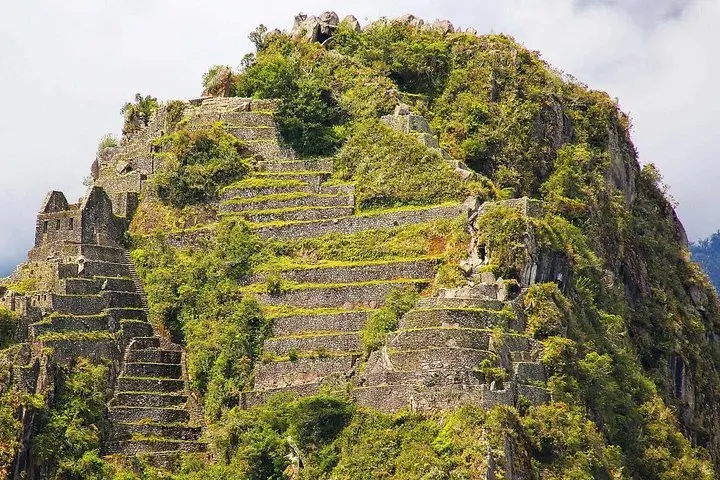
Yes if your Huayna Picchu permit is booked for that day, but note it’s a steep, exposed ascent—book early and be prepared for narrow steps.
This package typically includes airport transfers, internal transport, entrance fees, some meals, train and bus to Machu Picchu, professional guides, and luxury hotel nights—confirm exact inclusions at booking.
Late April to early June or September provide a good balance — dry conditions and fewer visitors than peak June–August.
Peru Expeditions Tours operates guided outdoor trips and adventures with an emphasis on safety, stewardship, and memorable experiences.
You step off the morning bus into a thinning mist on the switchbacks to Machu Picchu as the ruins reveal themselves like an old city waking up. The Andes press around you — sharp ridgelines, terraces stacked into the mountain, and the river far below daring you to lean closer to the stone walls.
You step off the morning bus into a thinning mist on the switchbacks to Machu Picchu as the ruins reveal themselves like an old city waking up. The Andes press around you — sharp ridgelines, terraces stacked into the mountain, and the river far below daring you to lean closer to the stone walls.
This eleven-day itinerary threads Peru’s highland highlights: colonial Lima, Cusco (≈3,400 m) and the Sacred Valley, Machu Picchu (≈2,430 m) with optional Huayna Picchu (≈2,720 m), the high plateau around Lake Titicaca (≈3,812 m), a day on the Uros floating islands, Rainbow Mountain’s colorful summit at ~5,020 m, and the plunging Colca Canyon (depth ~3,270 m) where condors wheel.
Geology here reads like a book of uplift and river incision — granite and volcanic layers carved by ice and water — while Inca engineering adapts terraces to steep slopes and microclimates. Local communities keep Quechua traditions alive in markets, textiles, and food, and small haciendas recall Spanish-era estates.
Practical edge: allow time to acclimatize in Cusco before high-altitude outings, hydrate and pace climbs (Rainbow Mountain is a steep 3–4 hour ascent), and reserve Huayna Picchu early — permits sell out months ahead. Expect a mix of short hikes, train and bus transfers, early starts for light and crowds, and luxury hotels each night. Pack layered clothing, sturdy boots, sun protection, and patience — the mountains will test your lungs more than your feet, but reward you with wide, uncompromising views.