THE ADVENTURE COLLECTIVE® · Independent discovery and booking for outdoor travel

Two days of guided game drives through Tarangire’s elephant country and down into the Ngorongoro Crater’s wildlife-rich caldera. This luxury loop mixes close wildlife encounters with comfortable lodgings and early-morning crater descents.
Two days of guided game drives through Tarangire’s elephant country and down into the Ngorongoro Crater’s wildlife-rich caldera. This luxury loop mixes close wildlife encounters with comfortable lodgings and early-morning crater descents.
Dawn breaks over cracked red earth and towering baobabs as a line of elephants threads toward the Tarangire River, trunks raised and dust drifting like signal smoke. You feel the engine fall away and the landscape take the lead — wide grass plains punctuated by acacia copses, riverine forest, and the sudden silhouette of a leopard in a thornbush.
Verified experiences and guided adventures in the surrounding area.
Operated by Januz Safaris · Karatu, Arusha Region
Dawn breaks over cracked red earth and towering baobabs as a line of elephants threads toward the Tarangire River, trunks raised and dust drifting like signal smoke. You feel the engine fall away and the landscape take the lead — wide grass plains punctuated by acacia copses, riverine forest, and the sudden silhouette of a leopard in a thornbush.
This two-day loop pairs Tarangire National Park’s elephant-rich floodplains with the Ngorongoro Crater, a vast collapsed volcano whose rim sits around 2,200–2,300 m above sea level. The crater floor, roughly 1,800–2,000 m elevation, supports one of the world’s highest concentrations of large mammals and a chance at rare sightings like black rhino. Local Maasai culture threads the region—traditional pastoralism and grazing patterns still influence wildlife movement and land use.
Expect vehicle-based game drives with short walks at picnic sites. Day one includes a riverside lunch and late-afternoon transfer to lodge near Karatu; day two begins early with a descent into the crater for a full-day drive and a picnic near a hippo pool.
Practical notes: drives between Arusha and the parks typically take 2–3 hours depending on road conditions; mornings are cold — layer up; midday sun is strong. Bring binoculars, a good camera, cash for tips and park fees if not prepaid, insect repellent, and any prescribed malaria prophylaxis. Guides navigate animal etiquette and the best windows for sightings; arrive rested and ready for long but rewarding days in one of East Africa’s most iconic wildlife landscapes.
Confirm on your booking—many operators include entrance fees and crater access, but they can be itemized separately; check the voucher or ask the operator prior to arrival.
Expect roughly 2–3 hours from Arusha to Tarangire, and 2–3 hours between Tarangire-area lodges and Karatu/Ngorongoro depending on road conditions and traffic.
The tour is vehicle-based and listed as suitable for all fitness levels, but check with the operator about child age policies, seat belts, and any mobility needs ahead of booking.
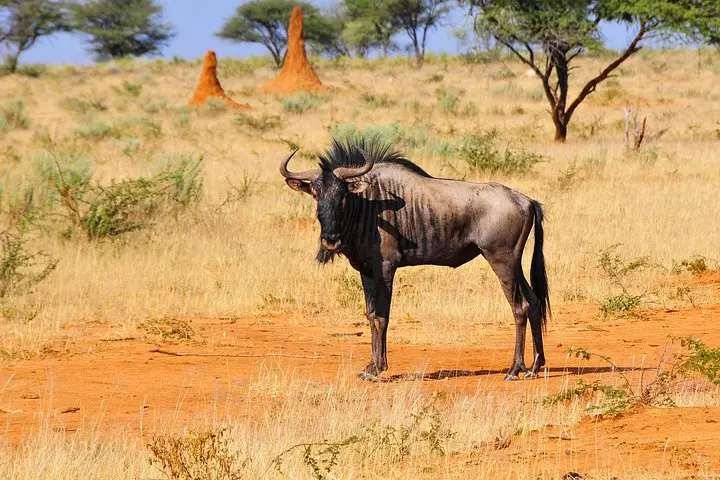
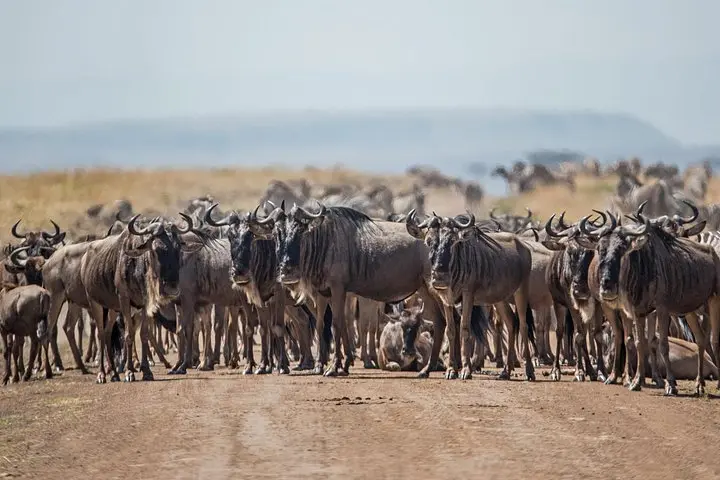
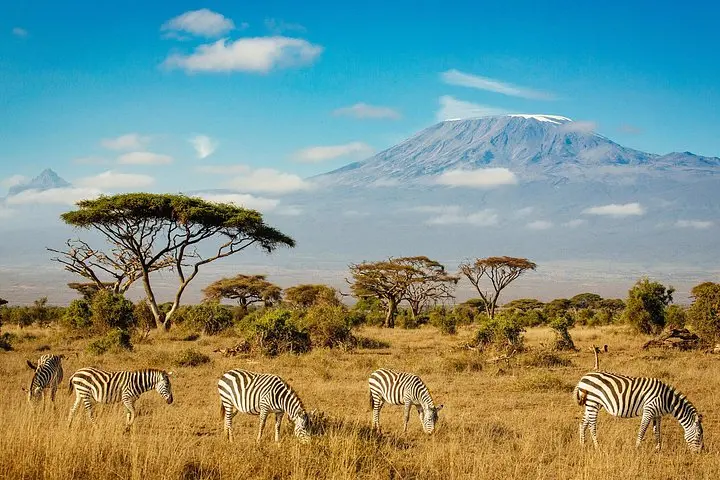
Elephants are common in Tarangire, while Ngorongoro offers dense populations of zebra, wildebeest, buffalo, lions and a chance at black rhino; sightings are never guaranteed but early starts increase odds.
Januz Safaris operates guided outdoor trips and adventures with an emphasis on safety, stewardship, and memorable experiences.
Dawn breaks over cracked red earth and towering baobabs as a line of elephants threads toward the Tarangire River, trunks raised and dust drifting like signal smoke. You feel the engine fall away and the landscape take the lead — wide grass plains punctuated by acacia copses, riverine forest, and the sudden silhouette of a leopard in a thornbush.
Dawn breaks over cracked red earth and towering baobabs as a line of elephants threads toward the Tarangire River, trunks raised and dust drifting like signal smoke. You feel the engine fall away and the landscape take the lead — wide grass plains punctuated by acacia copses, riverine forest, and the sudden silhouette of a leopard in a thornbush.
This two-day loop pairs Tarangire National Park’s elephant-rich floodplains with the Ngorongoro Crater, a vast collapsed volcano whose rim sits around 2,200–2,300 m above sea level. The crater floor, roughly 1,800–2,000 m elevation, supports one of the world’s highest concentrations of large mammals and a chance at rare sightings like black rhino. Local Maasai culture threads the region—traditional pastoralism and grazing patterns still influence wildlife movement and land use.
Expect vehicle-based game drives with short walks at picnic sites. Day one includes a riverside lunch and late-afternoon transfer to lodge near Karatu; day two begins early with a descent into the crater for a full-day drive and a picnic near a hippo pool.
Practical notes: drives between Arusha and the parks typically take 2–3 hours depending on road conditions; mornings are cold — layer up; midday sun is strong. Bring binoculars, a good camera, cash for tips and park fees if not prepaid, insect repellent, and any prescribed malaria prophylaxis. Guides navigate animal etiquette and the best windows for sightings; arrive rested and ready for long but rewarding days in one of East Africa’s most iconic wildlife landscapes.